
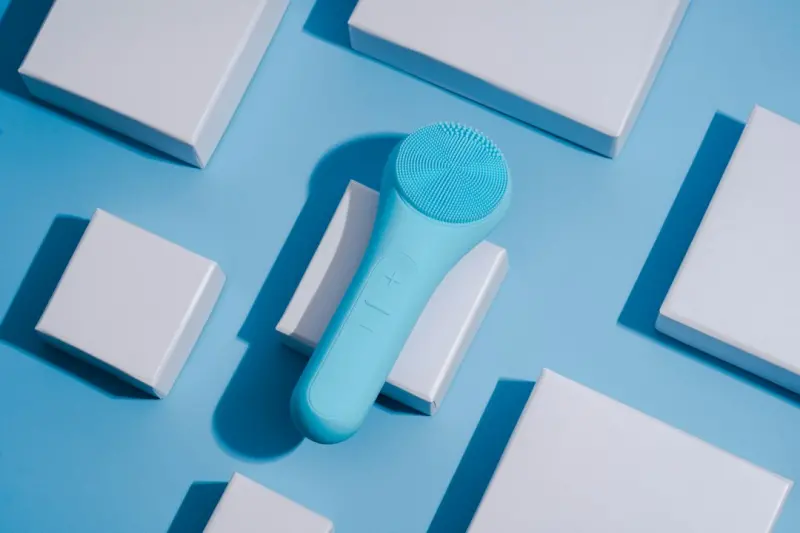
When I first stared at my bathroom mirror this morning, the fog of yesterday’s coffee and the faint outline of my beard looked like a battlefield. I reached for the usual tube of aftershave, but then my phone buzzed with a reminder: “Time for your skin‑sensor check‑in.” In the past year, personal care has quietly slipped into the realm of data, AI, and wearable tech—turning our daily grooming rituals into a high‑tech performance.
The Quiet Revolution: From Routine to Real‑Time Insight
For decades, personal care has been about habit: brush, wash, moisturize. But habits are blind to the body’s ever‑changing needs. Today, a sleek band on your wrist can detect hydration levels, UV exposure, and even stress‑induced skin oiliness. A smart mirror, powered by AI, analyzes these metrics and suggests a precise product combo for the day. It’s not magic; it’s the convergence of three trends:
- Sensorization. Flexible, skin‑friendly patches and wearable patches are now mainstream, providing continuous feedback on moisture, pH, and temperature.
- Artificial Intelligence. Machine‑learning models trained on millions of skin profiles can predict flare‑ups before they happen.
- Personalization at Scale. Brands are moving from “one size fits all” to “your skin, your schedule, your data.”
When these forces align, the bathroom becomes a command center, not a chore zone.
Wearable Skin Sensors: The New Skincare Stethoscope
Imagine a thin patch that adheres to the inside of your wrist like a second skin. It measures transepidermal water loss (TEWL), a key indicator of barrier integrity. Over a 24‑hour cycle, it logs spikes—say, when you’re in a dry office or after a sweaty gym session. The data syncs to an app that translates raw numbers into plain‑language advice: “Your skin barrier is compromised; apply a ceramide‑rich moisturizer now.”
Early adopters report three major benefits:
- Proactive Prevention. Instead of reacting to a breakout, you intervene early.
- Product Efficiency. You stop over‑using products and focus on the right formulation at the right time.
- Confidence Boost. Knowing your skin’s status removes the guesswork that fuels anxiety.
Brands like DermalTech and GlowSense have released consumer‑grade patches that cost less than a weekly coffee habit. The barrier to entry is low, and the payoff—both in skin health and wallet—is high.
Smart Mirrors: Your Personal Dermatology Consultant
Remember the sci‑fi movies where mirrors talked back? Those are now reality‑based products on the market. A smart mirror uses high‑resolution cameras and AI to map out skin texture, pigment, and even micro‑vascular health. It cross‑references your sensor data, environmental factors (like humidity), and lifestyle inputs (sleep, diet) to generate a daily regimen.
Here’s a typical interaction:
- You step in, and the mirror greets you by name.
- It flashes a quick “skin health score” based on yesterday’s sensor data.
- It recommends a specific serum, the amount to apply, and the optimal time for your next check‑in.
What used to take a 30‑minute consultation with a dermatologist can now happen in under two minutes—at home.
Data‑Driven Routines: The Power of Micro‑Adjustments
Data alone is meaningless without actionable steps. This is where micro‑movements meet personal care. Think of them as tiny nudges: a 10‑second facial massage after you brush your teeth, a quick spritz of hydration mist before a video call, or a 30‑second breathing exercise after you apply a calming night cream. Each micro‑movement compounds, delivering measurable improvements over weeks.
By integrating these micro‑adjustments into your smart routine, you create a feedback loop:
- Sensor detects a dip in hydration.
- Smart mirror suggests a mist and a brief facial massage.
- You perform the action, and the sensor confirms a rise in moisture.
- The system logs success, refining future suggestions.
This loop transforms personal care from static to dynamic, aligning with how our bodies actually operate—constantly fluctuating and responding.
Beyond Skin: Holistic Wellness Through Tech
Personal care isn’t just about the external layer; it’s a gateway to holistic health. For instance, blue‑light exposure from screens can disrupt circadian rhythms, leading to skin dullness and stress‑related breakouts. A digital declutter regimen—turning off notifications an hour before bedtime—can improve sleep quality, which in turn enhances skin repair cycles.
Similarly, scent plays a subtle yet powerful role. While scent‑driven living has explored home fragrances, the same principle applies to personal care. A lavender-infused night cream can cue the brain to wind down, reinforcing the sleep‑skin connection.
Choosing the Right Tech Stack for Your Routine
Not every gadget is created equal. Here’s a quick guide to help you navigate the burgeoning market:
- Sensor Accuracy. Look for FDA‑cleared or CE‑marked devices. Accuracy matters more than flashy design.
- Data Privacy. Ensure the company follows GDPR or comparable standards. Your skin data is personal; it should stay that way.
- Integration. Does the device sync with existing health apps (Apple Health, Google Fit)? Seamless integration reduces friction.
- Scalability. Choose products that can evolve—add new sensors or upgrade firmware without replacing the hardware.
Building Your Smart Personal Care Routine: A 5‑Day Blueprint
Ready to dip a toe in? Here’s a low‑commitment plan that blends wearables, smart mirrors, and micro‑movements.
- Day 1 – Baseline Assessment. Attach a skin sensor for 24 hours. Record your baseline hydration, pH, and stress markers.
- Day 2 – Mirror Calibration. Install a smart mirror (or use a smartphone app with AI analysis). Input sensor data and let the system suggest a morning routine.
- Day 3 – Micro‑Movement Integration. Add a 10‑second facial massage after each cleansing. Log how your skin feels.
- Day 4 – Digital Declutter. Turn off all non‑essential notifications after 8 p.m. Observe changes in sleep quality and morning skin tone.
- Day 5 – Review & Adjust. Review data from the sensor and mirror. Tweak product choices (e.g., switch to a ceramide serum) based on insights.
By the end of the week, you’ll have a personalized data set and a refined routine that feels less like a chore and more like a conversation with your own body.
Future Trends: What’s Next for Tech‑Infused Personal Care?
We’re on the cusp of several breakthroughs:
- Predictive Skin Health. AI models that forecast acne flare‑ups weeks in advance, allowing pre‑emptive treatment.
- Biometric‑Driven Formulations. Companies that print custom serums on demand, tailored to your live data.
- Augmented Reality (AR) Guides. Real‑time overlay instructions on your mirror, showing you exactly where to apply each product.
As these technologies mature, the line between personal care and personal health will blur, creating a seamless ecosystem that supports both outer glow and inner resilience.
Conclusion: Embrace the Data, Not the Drama
Personal care used to be a silent ritual, performed in the privacy of a bathroom. Today, it’s an interactive, data‑rich experience that can boost confidence, streamline product use, and even improve overall well‑being. The key is to start small, respect privacy, and let the technology serve you—not the other way around. Your skin will thank you, and you’ll finally get to enjoy that mirror moment without the fog of uncertainty.

Jimmy Damon loves to right on a large scale of topics with all things Canadian as this Montreal die hard loves hockey. fishing and sports.
Related Posts

Screen‑Savvy Skin: Daily Reset for Remote Workers
A practical guide for remote professionals on protecting and revitalizing facial and hand skin, feat... Read More
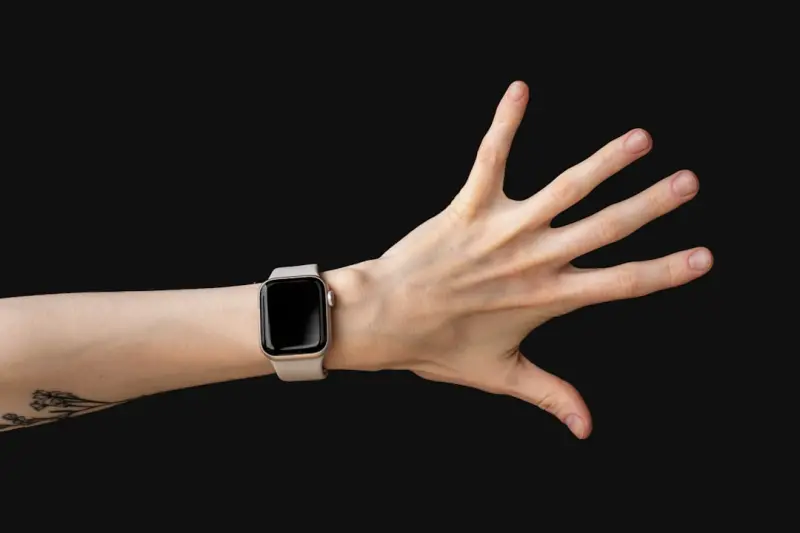
When Your Skin Talks: Leveraging Wearable Tech for Real‑Time Personal Care
Discover how wearable skin sensors provide real‑time feedback on hydration, UV exposure, and more,... Read More
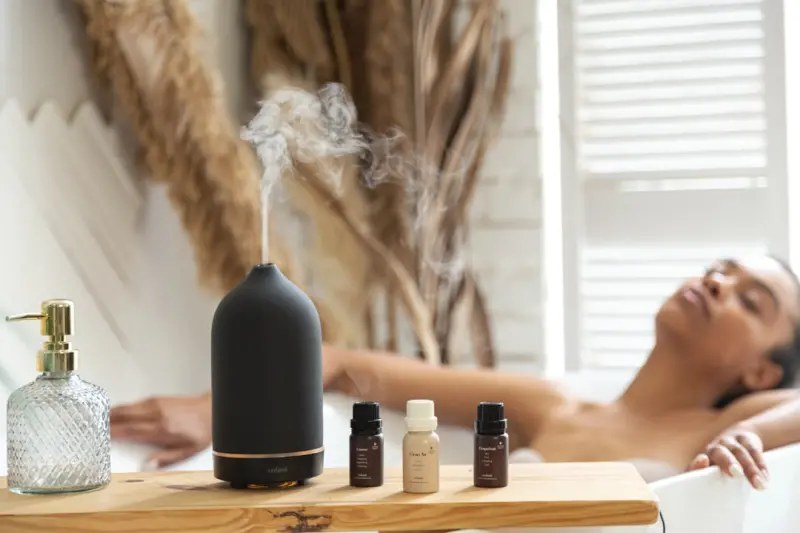
Scent‑Driven Self‑Care: How Aromatherapy Can Upgrade Your Daily Routine
Aromatherapy isn’t just a luxury; it’s a functional tool for modern professionals. Learn how spe... Read More
Top Posts

Writing Your Travel Story: Turning Trips into Personal Narratives
Travel is more than moving from point A to B; it’s an opportunity to craft a personal narrative. This post guides readers on using sensory clues, food, charac...Read More

Turning Wanderlust into a Personal Growth Engine
Learn to reframe travel as a purposeful growth journey, using goal‑oriented planning, on‑the‑road learning, and reflective habits that extend beyond the t...Read More

Employee‑Driven Innovation Hubs: The New Engine of Workplace Growth
Employee‑driven innovation hubs empower teams with autonomy, resources, and a safe culture to solve real problems, delivering faster prototypes, higher engage...Read More

Cultivating Curiosity: Turning Your Backyard into a Living Laboratory
Learn to treat your backyard like a living laboratory—track data, embrace sensory planting, and share knowledge for a thriving, curiosity‑driven garden expe...Read More
0 Comments
Post Comment
You will need to Login or Register to comment on this post!