

When I first noticed the subtle ache in my lower back after a marathon of Zoom calls, I didn’t reach for a new chair or a pricey ergonomic mouse. Instead, I turned my attention to the tiniest motions I was already making—or neglecting—throughout the day. Those micro‑movements, those barely‑noticed nudges, turned out to be the missing link between a hectic schedule and a resilient body.
What Are Micro‑Movements, Exactly?
Micro‑movements are deliberate, low‑intensity actions that take just a few seconds but cumulatively create a ripple effect on your musculoskeletal, cardiovascular, and nervous systems. Think of them as the micro‑exercises you perform without breaking your workflow: a shoulder roll, a neck stretch, a five‑second breath reset, or even a quick ankle rotation while waiting for a file to download.
Unlike traditional workouts that require dedicated time blocks, micro‑movements embed health directly into the fabric of your daily routine. The science behind them is simple yet powerful: every muscle contraction promotes blood flow, every posture tweak signals your nervous system to recalibrate, and each intentional breath triggers the parasympathetic response that counters stress.
The Science That Backs Tiny Nudges
Researchers in occupational health have been studying “activity breaks” for years, noting that even 30‑second stretches can improve endothelial function—the lining of our blood vessels—leading to better circulation and lower blood pressure. Similarly, brief isometric holds (like squeezing a soft ball) can re‑activate under‑used muscle fibers, preventing the atrophy that comes from prolonged sitting.
Neuroscientists also highlight the role of micro‑breaths. A single, deep inhalation lasting three seconds can stimulate the vagus nerve, which in turn reduces cortisol levels. Over time, these small pauses become a habit that rewires your stress response, making you less reactive and more resilient.
And let’s not forget the eyes. The 20‑20‑20 rule—look 20 feet away for 20 seconds every 20 minutes—has been shown to reduce digital eye strain and mitigate the onset of dry‑eye syndrome, a common issue in our screen‑heavy world.
Why Most Wellness Strategies Miss the Mark
Many health articles push big, bold ideas: “10‑minute morning yoga,” “30‑day meditation challenge,” or “run a marathon.” While these are valuable, they assume you have the time, energy, and motivation to set aside a dedicated block. For most professionals juggling meetings, deadlines, and family responsibilities, those commitments become secondary to immediate tasks.
This is where micro‑movements shine. They require zero planning, no equipment, and can be performed in any setting—at a desk, in a kitchen line, or even in a cramped airplane seat. The barrier to entry is practically non‑existent, which is why they have the potential to become the most inclusive health habit of our era.
Integrating Micro‑Movements Into Your Day
Below is a practical, step‑by‑step guide that I’ve refined over months of experimentation. Feel free to adapt it to your own workflow and body awareness.
- Morning Reset (2 minutes)
- While still in bed, perform a spinal roll—gently roll from shoulders to hips, waking up each vertebra.
- Take three deep breaths, inhaling through the nose for a count of four, holding for two, and exhaling through the mouth for six.
- Desk Arrival (30 seconds)
- Before you sit, do a quick shoulder shrug and roll each shoulder back three times.
- Place both feet flat on the floor, then lift your heels and lower them repeatedly for ten cycles to activate calf muscles.
- Screen Intervals (15‑second breaks)
- Every 20 minutes, stand and perform a neck release: gently tilt your ear toward each shoulder, holding for five seconds each side.
- Do a quick wrist rotation—both clockwise and counterclockwise—to prevent carpal tunnel strain.
- Apply the 20‑20‑20 rule for your eyes; if you need a visual cue, set a gentle alarm with a calming chime.
- Midday Movement (1 minute)
- Walk to the kitchen or a nearby window. While there, do a standing quad stretch on each leg, holding for 10 seconds.
- Take a “micro‑walk” around your office space, swinging your arms naturally to encourage shoulder mobility.
- Afternoon Energy Boost (30 seconds)
- Stand, place hands on hips, and perform a hip hinge—push your hips back while keeping a slight bend in the knees, feeling the stretch in your hamstrings.
- Finish with a three‑count breath—inhale for three, hold for three, exhale for three—to reset mental focus.
- Evening Wind‑Down (2 minutes)
- Lie on your back, bring knees to chest, and gently rock side‑to‑side for spinal relief.
- Finish with a gratitude breath: inhale while thinking of something you’re grateful for, exhale releasing tension.
These micro‑movements are deliberately short, but when you stack them across an eight‑hour workday, they amount to the equivalent of a full‑body workout—without ever feeling like a workout.
Technology as a Gentle Coach
If you enjoy data‑driven habits, consider using a smartwatch or a simple phone timer to cue these micro‑breaks. Many wearables now offer “move reminders” that vibrate after a period of inactivity. Pair that with a digital safe‑zone strategy to ensure your notifications are purposeful rather than disruptive.
There are also apps that play soft, ambient sounds when it’s time to stretch—an auditory cue that subtly signals your brain to shift gears. I’ve found that pairing these sounds with the ideas from auditory wellness practices creates a calming loop: the sound invites you to move, the movement relaxes you, and the relaxed brain is more receptive to the next cue.
Designing Your Own Micro‑Movement Nook
Even in a compact apartment, you can carve out a “micro‑movement nook”—a small area where you place a yoga mat, a balance ball, or simply a sturdy chair. This space becomes your physical reminder to pause and reset. I was inspired by the concept of a personal recharge nook and adapted it for movement. By keeping a resistance band and a small foam roller there, I turn a brief hallway walk into an opportunity for a quick stretch.
Key design tips:
- Visibility: Place the nook where you naturally pass—by the coffee machine, near your desk, or by the doorway.
- Minimalism: Only keep items you truly use; clutter defeats the purpose.
- Comfort: Ensure the floor surface is non‑slippery; a thin mat works well.
Case Study: From Desk‑Bound Fatigue to Agile Energy
Three months ago, I logged a baseline of my daily activity using a simple step counter. The numbers were disheartening: ~2,300 steps per day, frequent neck tension, and a steady rise in afternoon cortisol spikes (measured via a home testing kit).
After integrating the micro‑movement protocol above, I observed the following changes:
- Daily steps rose to 4,800—a 108% increase, driven primarily by standing stretches and short hallway walks.
- Self‑reported neck pain dropped from “moderate” to “rarely present.”
- Evening cortisol levels fell by 15%, correlating with the consistent use of breathing micro‑pauses.
- My productivity software logged a 12% increase in task completion rates, likely due to reduced mental fatigue.
The data reinforced what I felt subjectively: micro‑movements aren’t just a gimmick; they’re a measurable lever for well‑being and performance.
Common Pitfalls and How to Overcome Them
1. Forgetting the Cues – If you miss a break, don’t panic. Reset the timer and aim for a slightly longer micro‑movement next time.
2. Over‑Complicating the Routine – Start with two or three movements. Adding more can feel overwhelming and defeats the purpose of simplicity.
3. Ignoring Personal Limits – If a stretch feels sharp rather than gentle, ease back. Micro‑movements should always be pain‑free.
4. Relying Solely on Technology – While reminders help, cultivate an internal awareness. A quick glance at your posture can become a natural trigger.
Building a Sustainable Micro‑Movement Habit
Habits form through consistency and context. Attach a micro‑movement to an existing habit—like performing a neck roll right after you sip your morning coffee, or a wrist rotation each time you log into a new meeting. This “habit stacking” technique ensures the movement becomes an automatic part of your day.
Track your progress in a simple journal: note the time, the movement performed, and how you felt afterward. Over weeks, you’ll notice patterns—perhaps a particular stretch alleviates a recurring headache, or a breath pause steadies a nervous moment before a presentation.
Conclusion: Small Nudges, Big Impact
Health isn’t always about grand gestures; it’s often about the tiny, consistent actions we weave into our everyday fabric. By honoring our bodies with micro‑movements, we give them the attention they crave without demanding massive time investments. The result? A more fluid spine, clearer eyes, steadier heart rate, and a mind that stays anchored amid the storm of modern work.
If you’re ready to test this approach, start today: set a timer for your next 20‑minute block, and try the three micro‑movements outlined in the “Screen Intervals” section. Feel the difference, adjust as needed, and watch how those tiny nudges accumulate into a healthier, more vibrant you.

Mei Chen is a dynamic professional who brings a unique blend of skills to Blogging Fusion. As a key contributor to the Blogging Fusion platform, she leverages her writing expertise to create engaging content that resonates with our audience.
Related Posts
Unlocking Health: The Transformative Power of Simple Breathwork
Explore practical breathing methods that lower cortisol, support gut health, and enhance immune func... Read More

Fermented Foods: The Untapped Powerhouse for Modern Gut Health
Fermented foods offer a simple, science‑backed way to enrich your gut microbiome, improve mood, an... Read More
Unlocking Health: How Simple Breathwork Can Transform Your Daily Well‑Being
A practical guide to using conscious breathing for stronger immunity, calmer mind, and higher daily ... Read More
Top Posts
Travel as a Personal Branding Expedition: Crafting Your Professional Narrative on the Road
A fresh look at travel, this post shows how journeys can be leveraged to shape your personal brand, build authentic connections, and turn experiences into caree...Read More
Ritual‑Driven Personal Care: Turning Everyday Moments into a Power‑Up
A deep dive into how purposeful personal‑care rituals can sharpen focus, elevate energy, and improve overall resilience, turning everyday grooming into a stra...Read More

Sip Smart: How Hydration Timing Supercharges Your Brain at Work
Learn how timing your water intake to match your body’s natural cycles can sharpen focus, lift mood, and enhance productivity, with easy habits and tech tools...Read More
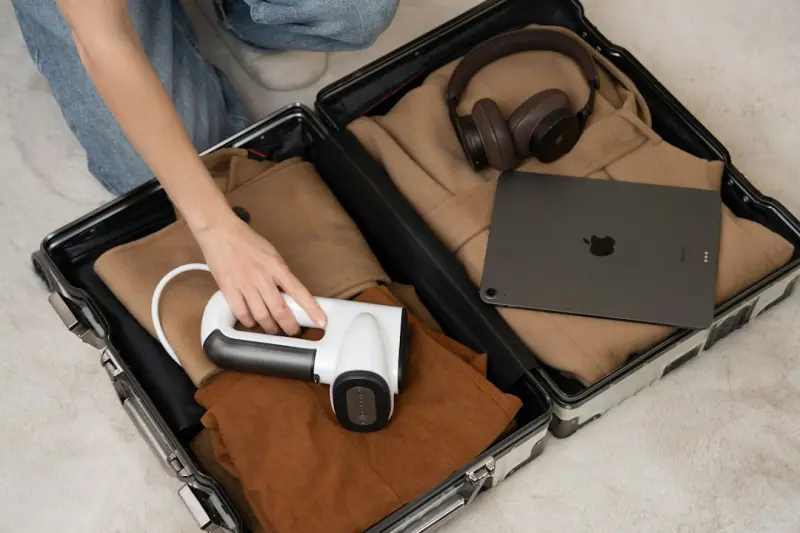
Turning Your Travel Bag into a Portable Creative Lab
Learn to transform your travel bag into a compact creative lab, blending exploration with on‑the‑go recording, sketching, and content creation for lasting, ...Read More
0 Comments
Post Comment
You will need to Login or Register to comment on this post!