
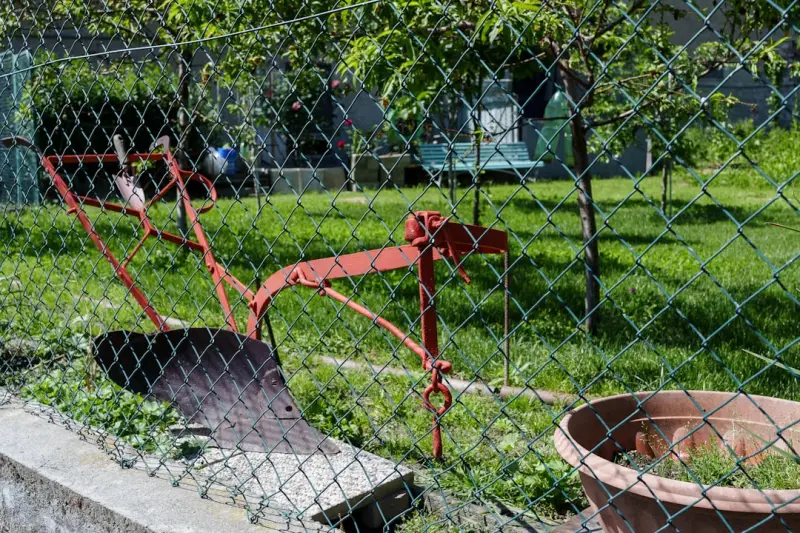
Reframing the Backyard: A Living Laboratory
When I first dug a trench behind the kitchen, I wasn’t just planting tomatoes—I was setting up an experiment that would keep me curious all year long. The garden becomes a living laboratory when you treat each seed packet as a hypothesis and each bloom as a data point, and that mindset instantly upgrades the mundane chore of weeding into a thrilling investigative routine. I start each season by sketching a loose “research plan” on a coffee‑stained notepad, noting which varieties I’ll test, the soil amendments I want to compare, and the micro‑climates that whisper promises of surprise yields. By framing the outdoor space this way, the ordinary act of watering transforms into a deliberate observation, and the garden rewards you with insight, flavor, and a deeper sense of purpose.
Seasonal Data: Turning Observation into Insight
Instead of relying solely on instinct, I now keep a simple log that captures temperature swings, rainfall totals, and even the number of pollinator visits each week. A cheap digital thermometer perched on a stake, a rain gauge fashioned from a repurposed soda bottle, and a notebook titled “Garden Metrics” are all the tools I need to quantify what nature hands me. Over time, patterns emerge: a certain heirloom carrot thrives when the soil stays consistently moist, while a pepper variety shows a dramatic boost after a brief cold snap. Recognizing these trends lets me make informed adjustments—like tweaking mulch depth or timing fertilizer applications—so each growing season feels less like guesswork and more like a refined experiment.
Tracking Light and Soil
One of the most enlightening (pun intended) revelations came when I paired my observations with the principles of natural illumination. By noting how many hours of direct sun each planting zone receives, I discovered that my rosemary, which I’d always assumed loved full sun, actually produced richer oils when it received a few hours of gentle afternoon shade. The same method applies to soil moisture: a simple feel‑test with my fingers, combined with a quick glance at the garden log, tells me whether a bed is thirsting for water or comfortably damp. This dual‑track approach of light and soil creates a feedback loop that sharpens my decisions, turning guesswork into precision horticulture.
Sensory & Community: The Human Side of the Garden
Gardening isn’t just a visual experience; it’s a symphony of scent, sound, and texture that can be deliberately cultivated for maximum delight. I line the perimeter of my plot with aromatic herbs like lavender and thyme, which release calming fragrances when brushed by a passing breeze, while wind chimes made from reclaimed copper add a gentle auditory backdrop. When my hands dig into the loam, the cool, crumbly texture grounds me, and I often find myself pausing to savor that tactile connection—an unexpected meditation that steadies my thoughts. Sharing these sensory moments with neighbors has become a ritual: we swap seed packets, trade tips over tea, and even host “scent‑walks” where we guide each other through the garden, identifying plants solely by smell.
Even the simple act of bending over a row can have health benefits, especially when you pay attention to your posture. I’ve learned that maintaining a neutral spine while weeding reduces strain on the lower back, and this mindful movement ties directly into overall well‑being. If you’re curious about the deeper link between posture and health, check out how everyday posture shapes your immune health for a fascinating read.
Mobile Plot Design: Flexibility for Small Spaces
For those of us without sprawling lawns, the solution lies in creating movable garden modules that can be rearranged as the seasons shift. I built a series of raised beds on sturdy caster wheels, each fitted with a quick‑drain system so excess water doesn’t pool when I relocate them. In early spring, I line the south‑facing side of the patio with seedlings that love warm soil, then rotate those beds toward the shade as summer heat intensifies, giving cool‑loving greens a chance to thrive. This flexibility not only maximizes limited square footage but also turns the garden into a dynamic, ever‑changing canvas that invites continual creativity.
Community Knowledge Exchange: The Power of Shared Experience
One of the most rewarding aspects of treating the garden as a lab is the wealth of knowledge that flows when you invite others to participate. I host quarterly “Garden Science Nights,” where neighbors bring their own data—photos of plant progress, pest logs, or soil test results—and we compare findings over homemade kombucha. Those evenings often spark collaborative projects, such as a communal pollinator hotel built from reclaimed wood or a seed‑swap library that circulates rare varieties across the block. By turning private experiments into shared learning experiences, the garden becomes a hub of collective intelligence, enriching both the soil and the community spirit.
Closing Thoughts: Cultivate Curiosity, Harvest Insight
Transforming your backyard into a living laboratory doesn’t require a Ph.D. in botany, just a willingness to ask questions and record answers. As you begin to log observations, notice how your relationship with the earth deepens, how your meals taste richer, and how your mind feels clearer after a day of mindful tending. If you want to explore how the sun’s rhythm can further enhance your health, the article on harnessing natural light offers practical tips that dovetail perfectly with garden experimentation. So grab a notebook, dig a little deeper, and let curiosity guide each seed you sow; the harvest will be far more than vegetables—it’ll be knowledge, community, and a renewed sense of wonder.

Brad Hays is a freelance writer known for his versatile skill set and ability to craft compelling content across a wide range of industries.
Related Posts
Scented Garden Paths: A Fragrant Blueprint for Small Outdoor Spaces
A scented garden path turns a modest outdoor area into a multisensory sanctuary, blending aromatic h... Read More

Cultivating Creativity: How a Garden Desk Transforms Home Life
Explore the journey of turning your backyard into a productivity oasis with a garden desk, blending ... Read More

Crafting a Nighttime Garden: Light, Sound, and Scent for a Magical Backyard
Learn to create a magical nighttime garden using layered lighting, soothing water sounds, and fragra... Read More
Top Posts

Why Skill‑First Hiring Beats Credential‑First Recruiting
Skill‑first hiring replaces traditional credential checks with concrete competency assessments, leading to faster hires, stronger diversity, and higher employ...Read More

Dynamic Zoning: Transform Every Room into a Flexible Work, Rest, and Play Space
Learn to reshape your home’s rooms into adaptable zones that boost productivity, comfort, and fun—all without major renovations....Read More

The Art of Curating Everyday Calm: Simple Home Rituals That Stick
Learn how small, intentional tweaks—like visual anchors, micro‑zones, scent routines, and mindful movement—can transform your home into a daily sanctuary ...Read More

Storytelling as a Mental Fitness Regimen
A fresh look at mental health: using personal storytelling as a daily practice to rewire stress, build resilience, and foster a supportive team culture....Read More
0 Comments
Post Comment
You will need to Login or Register to comment on this post!