
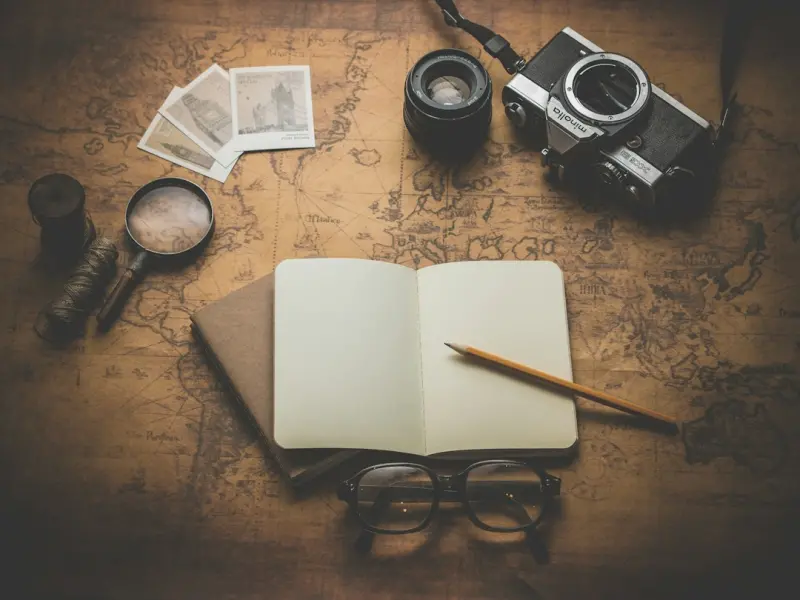
Why Travel Is Your Best Storytelling Canvas
When I first set out with a battered backpack and a notebook, I thought I was just chasing scenery. What I didn’t realize was that every mile, every market stall, and every late‑night train was a paragraph waiting to be written. Travel, at its core, is a narrative art form. It gives you characters, conflict, climax, and resolution—all without you having to invent them. In this piece, I’ll walk you through the process of turning a simple trip into a compelling story that stays with you long after the plane lands.
1. Treat the Destination Like a Chapter Title
Before you even book a flight, ask yourself: what genre does this place belong to in your personal story? Is it a gritty thriller (think bustling megacities with neon‑lit alleyways), a tranquil romance (coastal villages where the tide sings), or a whimsical fantasy (mountain villages that seem to float above the clouds)? By assigning a genre, you set the tone, and every decision you make—what to pack, where to stay, what to eat—becomes a deliberate plot point.
Write that genre down in your travel journal. When you return, you’ll have a clear lens through which to edit your memories, making the eventual blog post or memoir feel cohesive rather than a random collection of anecdotes.
2. Gather Sensory “Clues” Like a Detective
Every good story is rooted in vivid detail. The scent of jasmine in a night market, the jolt of a sudden downpour on a cobblestone street, the texture of a hand‑woven rug beneath your fingertips—these are the clues that bring a scene to life. I keep a small “sensory pocket” in my notebook: a place to jot down aromas, sounds, tastes, and tactile sensations as soon as they strike.
When you’re in a bustling city, take a moment to close your eyes and listen. The layered chorus of street vendors, distant traffic, and a lone saxophone can become the soundtrack of your narrative. For those who love to combine audio with memory, explore curated audio playlists that echo the vibe of each locale. When you later revisit your notes, you’ll hear the city again, even if you’re miles away.
3. Let Food Be Your Plot Twist
Food is the most immediate cultural exchange you can experience. A single bite can reveal history, climate, religion, and even politics. I once thought a street‑taco in a tiny Mexican town was just a quick snack. Turns out, the tortilla was made from a heirloom corn variety that had survived a drought that decimated the region’s staple crops. That bite became a turning point in my journey, prompting a detour to a local farm and a conversation with a farmer about climate resilience.
To expand your culinary narrative, follow a global culinary journey map. It encourages you to seek dishes that are not just famous, but also tell a story about the place you’re in. Write down the name of each dish, the ingredients you recognize, and the emotions it sparked. Later, these notes become vivid scenes that enrich your travel story.
4. Create a Narrative Arc Before You Leave
Every classic story follows a three‑act structure: setup, confrontation, and resolution. Apply this to your trip:
- Setup: The anticipation of departure, the packing ritual, the research you do—this sets expectations.
- Confrontation: The challenges you face—missed trains, language barriers, unexpected weather. These are your conflict.
- Resolution: The moments of insight, the connections you make, the personal growth you experience.
By mapping these beats, you’ll know where to focus your storytelling energy. For instance, a missed connection that leads you to a hidden café becomes a pivotal confrontation scene that ultimately resolves into an unforgettable conversation with a local artist.
5. Use Characters Beyond Yourself
Great travel stories are populated with vibrant characters—vendors, fellow travelers, locals, even animals. When you meet someone, ask open‑ended questions that invite them to share a story of their own. Record the essence of their voice in your notes: a laugh that trembles, a quiet pause before they speak, a phrase they repeat. These details give your narrative depth and authenticity.
Remember, you’re not writing a biography; you’re weaving these encounters into your larger arc. A street performer’s tale of perseverance might mirror your own struggle with a language barrier, creating a thematic resonance that ties the story together.
6. Capture the “In‑Between” Moments
Travel isn’t just about landmarks; it’s about the liminal spaces—the train rides, the airport lounges, the long walks between attractions. These moments often contain the richest introspection. Use them to reflect on the emotions you’re feeling and why. Ask yourself: What does this view remind me of back home? How does this delay shift my expectations?
Document these reflections in a voice that feels personal yet universal. A simple sentence like “The rain drummed on the tin roof, echoing the steady beat of my own restless heart” can become a memorable line that ties together multiple scenes.
7. Leverage Technology Without Letting It Dominate
Digital tools can help you capture details without breaking immersion. A lightweight voice recorder can store spontaneous interviews; a smartphone camera with manual settings can capture atmospheric light. However, resist the urge to document everything—some moments are best lived than recorded. The balance is crucial: technology should serve the story, not become the story.
8. Edit With the Same Care You Pack
When you return home, you’ll have a mountain of notes, photos, and recordings. The editing process is akin to packing a suitcase: you must decide what fits, what adds weight, and what you can leave behind. Start by selecting a central theme—perhaps “Resilience in Unexpected Places.” Then, pull in scenes that support that theme, discarding those that feel peripheral.
Read your draft aloud. Does the rhythm flow? Do the sensory clues and character arcs feel cohesive? If a paragraph feels flat, revisit your sensory pocket or your audio playlist for inspiration. Sometimes, the right song can unlock the missing emotional beat.
9. Share Your Story, Then Listen to the Echo
Publishing your travel narrative is not the final act; it’s a conversation starter. Readers may share their own experiences, offering new perspectives that can enrich future trips. Engage with comments, ask follow‑up questions, and consider turning a particularly resonant story into a series.
And remember, the act of storytelling changes the way you travel next time. You’ll notice details you’d previously overlooked, seek out deeper connections, and approach each journey with a writer’s curiosity.
10. Make the Journey Your Ongoing Novel
Travel isn’t a one‑off chapter; it’s a lifelong novel in progress. Every trip adds a new layer, a fresh perspective, a different voice. Keep a master journal—a living document that tracks recurring motifs, evolving themes, and personal growth across continents. Over years, you’ll be able to flip back and see how the story of you, the traveler, has evolved.
In the end, the real reward isn’t a perfectly polished blog post; it’s the richness of a life lived as a story, where each destination is a page you eagerly turn. So pack your notebook, tune into the local soundscape, savor that unexpected dish, and let the world become the most compelling narrative you’ll ever write.

Jim Pearse, a seasoned freelance writer, brings a wealth of knowledge and passion to the world of home and garden. From the intricacies of landscaping to the nuances of interior design, Jim delves into every aspect of creating comfortable, beautiful, and functional living spaces.
Related Posts

How Changing Horizons Supercharge Your Creative Engine
Travel isn’t just a break—it’s a powerful creativity hack. Melanie Wilson shares how new envir... Read More

Wanderlust with Purpose: Turning Vacation Days into Community Impact
Explore practical ways to turn your vacation into a force for good, from micro‑volunteering and lo... Read More

Taste the World: How Cooking Global Recipes Turns Home Into a Travel Hub
Explore the art of turning your kitchen into a travel hub by cooking authentic dishes from around th... Read More
Top Posts

Scent‑Smart Self‑Care: How AI‑Curated Aromas Are Redefining Personal Routines
Explore the emerging world of AI‑curated aromatics that adapt to your physiological cues, turning ordinary grooming rituals into mood‑enhancing, data‑back...Read More

Soundscapes for Mental Resilience: How Auditory Environments Boost Well‑Being
Explore the science behind sound therapy and get actionable tips to create personalized soundscapes that calm anxiety, sharpen focus, and support emotional bala...Read More
Why Garden Desks Are the Future of Employment in 2026
Discover why garden desks are transforming modern workplaces, driving productivity, and fostering wellness, making them the ultimate employment game‑changer i...Read More

Jimmy Damon’s Green Workspace: How My Garden Desk Redefines Home & Garden Living
Jimmy Damon shares his personal journey of turning a garden desk into a thriving, eco‑friendly workspace that boosts productivity, wellness, and community con...Read More
0 Comments
Post Comment
You will need to Login or Register to comment on this post!