
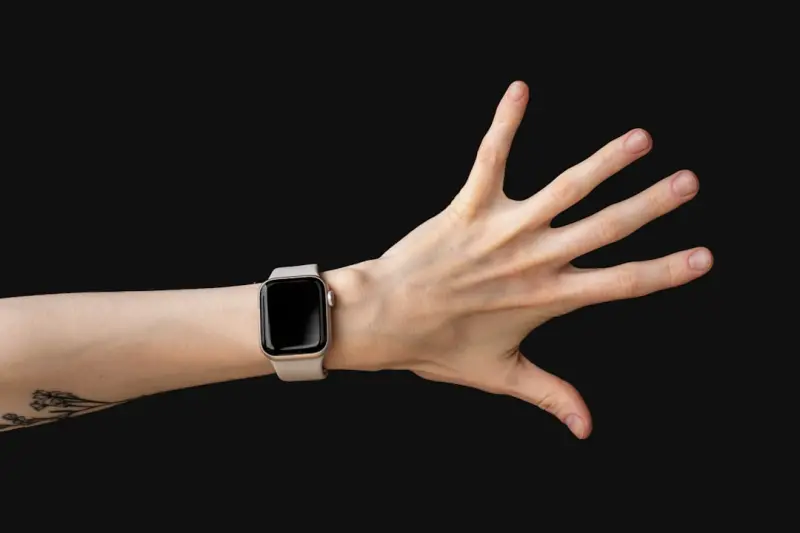
Imagine staring at your reflection and getting an instant, data‑driven whisper about what your skin truly needs at that very moment. No more guessing whether you’re dehydrated, whether the climate outside is draining your moisture, or whether your current moisturizer is actually working. Thanks to the latest wave of wearable skin sensors, this once‑far‑off fantasy is becoming an everyday reality. In this post I’ll walk you through how these sleek devices are reshaping personal care, why they matter for anyone who values both health and convenience, and how you can start integrating them into your routine without feeling like you’ve stepped onto a sci‑fi set.
Why Wearable Skin Tech Isn’t Just a Gadget
For many of us, personal care feels like a series of isolated rituals: a splash of cleanser in the morning, a swipe of sunscreen at noon, a night‑time moisturizer before bed. These steps are often based on habit, marketing claims, or occasional advice from a dermatologist. What’s missing is a continuous feedback loop—a way to know, in real time, how your skin is responding to those actions.
Enter wearable skin technology. Small, unobtrusive patches or bands equipped with bio‑sensors can monitor a range of metrics: surface hydration, transepidermal water loss (TEWL), pH balance, and even exposure to UV rays. The data streams to a companion app, which translates raw numbers into simple, actionable insights: “Your skin is 15% drier than optimal—apply a lightweight serum now,” or “UV exposure is high—reapply sunscreen within 30 minutes.” This transforms personal care from a set‑and‑forget routine into a dynamic, responsive practice.
The Science Behind the Sensors
At the heart of these devices are flexible electronics that can conform to the skin without causing irritation. Conductive polymers and nano‑structured electrodes detect electrical changes that correspond to moisture levels and barrier integrity. Some models also incorporate tiny thermistors to gauge skin temperature—a useful proxy for inflammation or stress. All of this data is collected at intervals as short as a few seconds, creating a detailed picture of your skin’s state throughout the day.
What makes this technology especially compelling is its alignment with a growing emphasis on skin microbiome‑first routines. While the microbiome focus looks at the ecosystem of beneficial bacteria, wearable sensors add a layer of physiological feedback, helping you fine‑tune product choices to support that ecosystem. For example, if a sensor detects a sudden dip in pH, you might opt for a prebiotic moisturizer that encourages healthy bacterial growth, rather than a generic cream.
From Data to Daily Decisions
The magic of wearable skin tech lies in its translation of complex data into user‑friendly prompts. Most apps employ color‑coded alerts:
- Green: Your skin is within the ideal hydration window. No action needed.
- Yellow: Mild imbalance—consider a quick mist or a light serum.
- Red: Significant deviation—apply a richer product or adjust your environment (e.g., humidifier).
These alerts can be scheduled to align with your existing habits. If you usually apply moisturizer at 7 a.m., the app might remind you at 6:45 a.m. if it senses a dryness trend developing overnight. Over time, the system learns your baseline, making recommendations increasingly personalized.
Integrating Wearables with Existing Personal Care Practices
Adopting this technology doesn’t require you to overhaul your entire routine. Think of the sensor as a personal care coach that whispers suggestions in the background. Here’s a simple step‑by‑step guide to get started:
- Select a device that fits your lifestyle. If you’re a fitness enthusiast, a patch that adheres to your forearm during workouts might be ideal. If you spend most of your day at a desk, a wristband can monitor environmental changes in the office.
- Pair it with the companion app. Most manufacturers offer free apps that sync via Bluetooth. Take a few minutes to set your skin type, typical environment (e.g., humid, dry), and product preferences.
- Establish baseline readings. For the first 48 hours, the device will collect data without sending alerts. Review the summary to understand your skin’s natural rhythm.
- Define your alert thresholds. Customize the sensitivity—some people prefer gentle nudges, others want immediate warnings.
- Map alerts to actions. Link each alert level to a specific product or habit (e.g., “Yellow = spritz facial mist,” “Red = apply barrier cream”).
- Iterate. As seasons change or you switch products, revisit the app’s insights and adjust your thresholds accordingly.
This iterative approach mirrors the philosophy behind zero‑waste bathroom initiatives: small, mindful adjustments that compound into significant, sustainable results.
Beyond Hydration: Expanded Use Cases
While moisture monitoring is the most common feature, emerging wearables are pushing the envelope:
- UV Exposure Tracking. Sensors measure UV intensity and cumulative dose, prompting re‑application of sunscreen before you get a sunburn.
- Allergen Detection. Some patches can sense histamine levels on the skin’s surface, warning you of an allergic reaction before it peaks.
- Stress‑Related Sebum Production. By monitoring skin temperature and conductivity, devices can infer stress spikes that often correlate with excess oil, helping you decide when to cleanse.
- Sleep Quality Correlation. Integrated with sleep trackers, wearables can reveal how overnight skin hydration impacts morning appearance, encouraging better nighttime routines.
Privacy and Data Security: What to Keep in Mind
Any device that collects biometric data raises legitimate privacy concerns. Reputable manufacturers typically employ end‑to‑end encryption and allow users to export or delete their data at any time. Before purchasing, review the privacy policy: Does the company store data on its servers? Is it used for targeted advertising? Are there options to keep data locally on your phone? Opt for brands that prioritize transparency and give you full control over your information.
The Environmental Angle
One criticism of wearables is the potential for electronic waste. However, many companies are designing reusable sensor patches that can be refreshed with replaceable adhesive layers, reducing landfill impact. This aligns with broader sustainability trends in personal care, where the focus shifts from single‑use products to long‑lasting, smart solutions.
Real‑World Stories: How People Are Benefiting
To illustrate the impact, here are three brief anecdotes from early adopters:
- Sofia, a freelance graphic designer: Working long hours under harsh office lighting, Sofia’s sensor flagged frequent drops in skin pH. She switched to a pH‑balancing toner, and after two weeks reported noticeably calmer skin and fewer breakouts.
- Marcus, an avid hiker: On multi‑day treks, his wearable warned him of rising UV exposure early in the day, prompting timely sunscreen re‑application. He avoided severe sunburn on a trip that would have otherwise been painful.
- Elena, a new mother: Post‑partum skin can be unpredictable. Elena’s device detected early signs of dryness, leading her to incorporate a richer night cream earlier than she had planned, which helped maintain her skin barrier during sleepless nights.
These stories underscore a common theme: data‑driven insight leads to more precise, effective personal care choices, saving time, money, and skin stress.
Choosing the Right Device for You
With the market expanding, here are key criteria to evaluate:
- Sensor Accuracy. Look for FDA‑cleared or clinically validated devices.
- Comfort and Adhesion. The sensor should stay in place without irritating the skin.
- Battery Life. Ideally, a device should last at least a week per charge.
- App Usability. A clean, intuitive interface makes daily interaction effortless.
- Data Portability. The ability to export data to CSV or integrate with other health platforms (e.g., Apple Health) is a plus.
Popular models currently include the HydraBand (wristband), DermPatch Pro (forearm patch), and the UV‑Guard Clip (clip‑on sensor). Prices range from $50 for basic versions to $250 for premium models with advanced analytics.
Future Horizons: What’s Next for Wearable Personal Care?
The next wave will likely see deeper integration with AI. Imagine an algorithm that not only alerts you but also predicts future skin states based on current trends, environmental forecasts, and product usage history. Such predictive modeling could recommend preemptive actions—like applying a barrier cream before a predicted dry spell—further minimizing reactive care.
Another exciting prospect is the convergence of skin sensors with smart mirrors. Your bathroom mirror could display real‑time hydration levels as you brush your teeth, prompting you to reach for a mist or adjust the room’s humidity on the spot. This seamless blending of technology into daily environments epitomizes the future of personal care: subtle, intelligent, and wholly personalized.
Getting Started Without Overcomplicating
If you’re intrigued but hesitant about diving into a full‑blown tech setup, start small. Many brands offer trial periods or starter kits with a single sensor patch. Use it for a week to gauge comfort and relevance. Pair it with a simple habit—like a morning mist or evening moisturizer—and notice whether the data aligns with your perception of your skin.
Remember, the goal isn’t to replace intuition but to augment it with reliable, objective data. Over time, you’ll develop a nuanced understanding of how lifestyle factors—diet, stress, environment—affect your skin, empowering you to make choices that truly resonate with your body’s needs.
Conclusion: Listening to Your Skin, One Byte at a Time
Wearable skin technology marks a pivotal shift from static routines to responsive, data‑informed personal care. By delivering real‑time insights, these devices help you act proactively, reduce waste (both product and environmental), and foster a deeper connection with your own physiology. As the technology matures, it will become an integral part of the personal care toolbox—just as a good moisturizer or sunscreen is today.
Whether you’re a busy professional, a fitness enthusiast, or simply someone who values looking and feeling their best, consider giving your skin a voice. Let the data guide you, and you may find that the most effective self‑care strategy was always waiting, silently, on the surface of your skin.

Laura Wilson is a freelance writer specializing in the dynamic and ever-evolving field of health. With a passion for translating complex medical information into accessible and engaging content, Laura brings a wealth of knowledge and a fresh perspective to topics ranging from preventative care and nutrition to cutting-edge research and innovative treatments.
Related Posts
Redefining Personal Care: A High‑Performance Routine for the Modern Professional
Learn how to build a high‑performance personal care routine that blends micro‑resets, adaptive h... Read More

Transform Your Bathroom Into a Daily Wellness Retreat
Learn to create a calming bathroom sanctuary using color, scent, sound, and simple DIY skincare, tur... Read More

Micro‑Mobility: The Quiet Revolution in Personal Care
Micro‑Mobility turns everyday motion into a powerful personal care tool. Learn simple stretches, p... Read More
Top Posts

Designing a Backyard Sound Garden: Turn Your Outdoor Space into a Living Symphony
Turn your garden into a living concert hall with natural resonators, water whispers, and smart design—learn step‑by‑step how to build an outdoor sound san...Read More

Why Garden Desks Are the Secret Weapon for Modern Workers
Explore why garden desks are reshaping employment, boosting creativity and productivity, and becoming essential tools for career advancement....Read More

How Jet Lag Can Supercharge Your Creativity and Decision‑Making
Jet lag isn’t just a hassle; it’s a brain‑reset that can spark fresh ideas. Learn how to use the temporary disorientation of crossing time zones to boost ...Read More

Reimagining Onboarding for Remote‑First Teams: A Blueprint for Success
Traditional onboarding falls short for distributed teams. This guide outlines a four‑pillar, data‑driven framework—pre‑boarding precision, a structured ...Read More
0 Comments
Post Comment
You will need to Login or Register to comment on this post!