
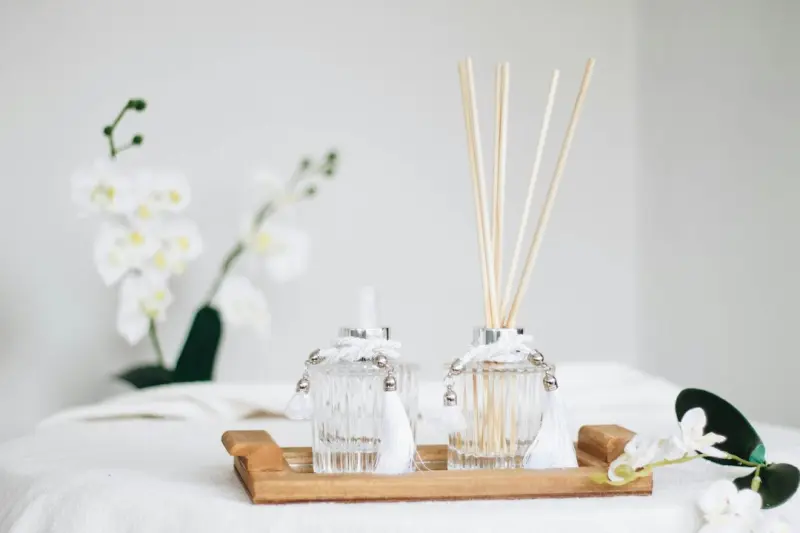
Why Your Home’s Aroma Deserves a Seasonal Refresh
When we think about home improvement, paint colors, furniture layouts, and lighting often take center stage. Yet the invisible layer of scent is equally powerful— it can calm a frazzled mind, spark creativity, or even influence how guests perceive your hospitality. Just as you change your wardrobe with the seasons, rotating your home’s fragrance palette keeps the environment lively, aligns with nature’s rhythms, and prevents olfactory fatigue.
Understanding the Building Blocks of Scent
Scent is composed of three primary notes: top, heart, and base. Top notes are the first impression—light, fleeting aromas like citrus or herbs that evaporate quickly. Heart notes form the core of the fragrance, lingering for hours; think lavender, rosemary, or jasmine. Base notes anchor the blend, emerging slowly and persisting—woody sandalwood, amber, or musk.
By mastering these layers, you can craft seasonal scent stories that evolve throughout the day, just as the sun moves across the sky.
Mapping Scents to the Seasons
Each season carries its own sensory cues. Aligning your home’s aroma with these cues deepens your connection to the world outside your walls.
- Spring: Fresh, bright, and slightly sweet. Citrus (lemon, bergamot), green herbs (mint, basil), and floral heart notes (lily of the valley, hyacinth) echo the rebirth happening outside.
- Summer: Warm, breezy, and invigorating. Think tropical fruits (mango, pineapple), marine accords, and light woods (cedar, eucalyptus) that conjure beachside evenings.
- Autumn: Earthy, comforting, and a touch spicy. Pumpkin, cinnamon, clove, and deeper woods (oak, sandalwood) mirror falling leaves and crisp air.
- Winter: Rich, soothing, and introspective. Amber, vanilla, frankincense, and cool pine create a cozy atmosphere that counters the chill outside.
DIY Natural Diffusers: Simple, Sustainable, and Scent‑Smart
Commercial plug‑ins can be convenient, but they often rely on synthetic chemicals. A homemade diffuser gives you full control over ingredients and allows you to experiment with seasonal blends.
- Choose Your Vessel: A small glass jar, a reclaimed ceramic bowl, or a repurposed mason jar works beautifully. Ensure it has a narrow opening to slow evaporation.
- Pick a Carrier Oil: Fractionated coconut oil, almond oil, or a light grapeseed oil are ideal. They don’t overpower the essential oils and have a long shelf life.
- Blend Your Essential Oils: Follow a 3‑2‑1 ratio—three parts top note, two parts heart note, one part base note. For a spring blend, try 6 drops bergamot, 4 drops lavender, and 2 drops vetiver.
- Mix and Adjust: Stir gently, then test the scent by wafting it toward your nose. Add drops gradually; a little goes a long way.
- Set the Diffuser: Place a few reeds or a strip of natural cotton in the jar. Flip the reeds daily to refresh the aroma.
These diffusers not only smell wonderful but also become decorative pieces—especially when you choose vessels that complement your interior palette.
Integrating Outdoor Inspiration Inside
Bringing a touch of the outdoors into your living spaces can amplify the seasonal effect. One inventive approach is to create a compact outdoor nook that doubles as a scent source. For example, a tiny balcony garden with herbs like rosemary, thyme, and sage not only supplies fresh culinary ingredients but also releases aromatic oils that drift through open windows. Learn how to maximize small spaces by Crafting a Pocket‑Size Outdoor Retreat that serves both aesthetic and aromatic purposes.
Seasonal Scent Pairings with Light and Texture
Our perception of smell is heavily influenced by visual and tactile cues. Pairing a citrus‑bright scent in spring with sheer white curtains and pastel throws creates a cohesive sensory experience. In autumn, combine a warm cinnamon aroma with plush wool blankets and amber‑toned lighting. The synergy of scent, light, and texture transforms a room from merely functional to emotionally resonant.
Mindful Moments: Using Scent as a Prompt for Micro‑Rituals
Beyond mere decoration, scent can become a cue for intentional pauses. When you light a cedar diffuser in the evening, let it signal the start of a brief mindfulness practice—deep breathing, a few stretches, or a quick journal entry. This habit integrates the scent into your mental wellness routine, making the home a sanctuary for both body and mind. The concept of micro‑rituals aligns with the idea of Micro‑Hobbies as a Mental Health Hack, but applied specifically to olfactory cues.
Sustainable Scent Strategies
Eco‑conscious homeowners can extend their seasonal scent plan by sourcing locally produced essential oils and reusing containers. If you have a garden, consider distilling your own oils from lavender or mint. This not only reduces packaging waste but also deepens the personal connection to the fragrance you’re spreading throughout your home.
For those with a bit more outdoor space, think bigger: a modest plot can become a year‑round source of aromatic herbs and edible plants. Discover how turning a modest yard into a productive sanctuary can support both your culinary and olfactory pursuits in Turn Your Backyard into a Year‑Round Living Food Pantry. The overlap between edible gardens and scent production creates a closed‑loop system that feels both rewarding and sustainable.
Practical Tips for Maintaining Your Seasonal Scent Routine
- Rotate Regularly: Set a calendar reminder to switch scents at the start of each season. A simple spreadsheet can track which blends you’ve used and when.
- Test Before Committing: Before filling a large diffuser, test a small batch in a single room. This prevents a scent from becoming overwhelming.
- Store Unused Oils Properly: Keep essential oils in dark glass bottles, away from direct sunlight, to preserve potency.
- Blend in Small Batches: Scent preferences can change quickly; making 5‑10 ml batches ensures flexibility.
- Mind the Pets: Some essential oils (e.g., tea tree, eucalyptus) can be harmful to animals. Choose pet‑safe options like lavender or chamomile when pets share the space.
Creating a Signature Scent for Special Occasions
Beyond the four basic seasons, you might want a unique fragrance for holidays, birthdays, or even a home office launch. Experiment with limited‑edition blends—perhaps a winter holiday mix of pine, clove, and orange zest, or a summer garden celebration featuring jasmine, grapefruit, and a hint of basil. These bespoke aromas become olfactory bookmarks, helping you and your guests recall specific moments long after they’ve passed.
Conclusion: Let Your Home Breathe with the Seasons
Seasonal scent rotation is a low‑cost, high‑impact way to keep your home feeling fresh, intentional, and in harmony with the natural world. By understanding fragrance structure, crafting DIY diffusers, and pairing aromas with light, texture, and mindful rituals, you transform ordinary rooms into dynamic, sensory‑rich environments. Embrace the changing perfume of the year, and watch how it subtly lifts moods, sharpens focus, and invites a deeper sense of belonging within your own walls.

Margaret Thomson is a seasoned freelance writer specializing in the dynamic worlds of marketing and advertising. With a career deeply rooted in the marketing field, Margaret brings a wealth of practical experience and insightful knowledge to her writing.
Related Posts

How to Engineer Home Lighting for Unstoppable Focus
Learn how to use color temperature, layered lighting, and smart schedules to transform your home int... Read More

Turn Your Tiny Balcony into a Year‑Round Retreat
Discover step‑by‑step strategies to convert a modest balcony into a year‑round retreat, using ... Read More

Light Up Your Life: Smart Lighting Secrets for a Happier Home
Smart lighting isn’t just about convenience—it shapes mood, supports wellness, and saves energy.... Read More
Top Posts

Revamp Your Home with Smart Lighting Hacks for Mood & Savings
A practical guide to using smart lighting for better mood, sharper focus, and lower bills, featuring easy upgrades, tech tips, and design tricks for any home....Read More

Rethinking Personal Care: The Rise of Skin Microbiome‑First Routines
Discover a fresh approach to personal care that focuses on the skin’s microbiome, combining science‑backed products, AI personalization, and mindful breathi...Read More
Garden Desks: The Home & Garden Trend Redefining Work and Wellness in 2026
Explore the rise of garden desks in 2026, blending productivity with nature. Get design ideas, tech tips, and sustainability hacks for a thriving home‑garden ...Read More

AI as a Strategic Co‑Creator: Rethinking Innovation Beyond Automation
Discover a fresh perspective on AI: not just a tool, but a strategic partner that drives ethical, rapid, and deep innovation in B2B SaaS. Learn practical steps ...Read More
0 Comments
Post Comment
You will need to Login or Register to comment on this post!