
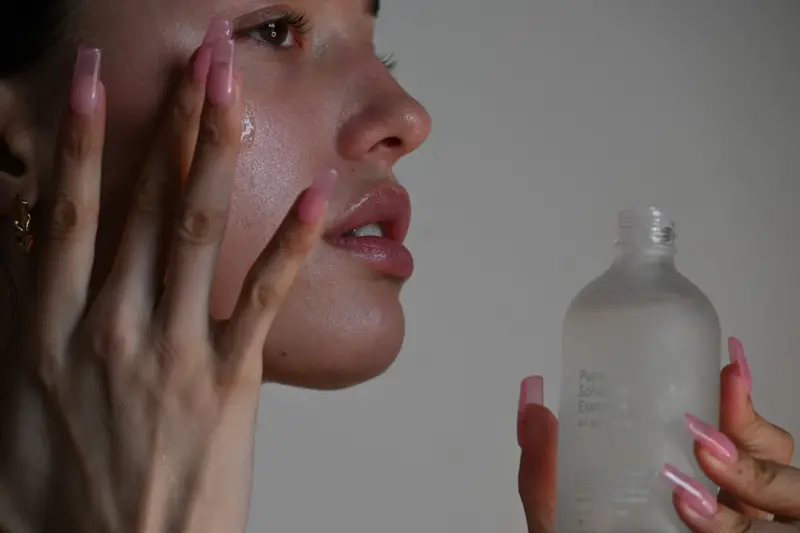
Why the Skin Microbiome Is the New Frontier in Personal Care
When I first stepped into a boutique skincare lab, I expected to be dazzled by exotic oils and high‑tech serums. What caught my attention instead was a quiet, almost reverent discussion about the skin microbiome—the trillions of bacteria, fungi, and viruses that call our epidermis home. For years, personal care has been dominated by surface‑level solutions: exfoliate, moisturize, and mask. But a growing body of research now tells us that the true health of our skin hinges on the balance of these microscopic ecosystems. Nurturing that balance isn’t just a fad; it’s a paradigm shift that promises longer‑lasting results, fewer irritations, and a more sustainable approach to looking and feeling our best.
From “Clean” to “Balanced”: Rethinking What “Clean” Means
The word “clean” has been co‑opted by marketers to mean “free of harsh chemicals,” yet many so‑called clean products contain antibacterial agents that indiscriminately kill both harmful and beneficial microbes. This blanket eradication can disrupt the natural flora, leaving the skin vulnerable to inflammation, breakouts, and even premature aging. A balanced approach, on the other hand, seeks to preserve and support the native microbes while still providing protection against pollutants and pathogens.
Think of your skin like a garden. If you spray the entire plot with a broad‑spectrum pesticide, you may eliminate weeds but you also wipe out the pollinators that keep the soil fertile. The new wave of “microbiome‑friendly” formulations uses pre‑biotics (food for good bacteria), post‑biotics (beneficial metabolites), and selective probiotics to cultivate a thriving microbial community. The result? A resilient skin barrier that can better regulate moisture, defend against irritants, and even modulate the immune response.
Practical Steps to Integrate Microbiome‑First Care Into Your Routine
Adopting a microbiome‑centric routine doesn’t require a complete overhaul of every product in your cabinet. Below is a step‑by‑step guide that blends science with everyday practicality:
- Audit Your Current Products: Look for labels that mention “antibacterial,” “chlorhexidine,” or “parabens.” While not all of these are inherently harmful, they are often unnecessary for everyday use and may disrupt microbial balance.
- Introduce Pre‑Biotic Cleansers: Choose gentle surfactants paired with ingredients like oat beta‑glucan or inulin that feed beneficial bacteria while cleansing.
- Swap to Probiotic Toners: Toners fortified with Lactobacillus strains can help repopulate the skin after cleansing, especially if you’ve been using a harsh cleanser.
- Layer Post‑Biotic Serums: These contain metabolites like short‑chain fatty acids that reinforce the skin barrier and reduce inflammation.
- Mind Your Lifestyle: Diet, stress, and sleep all influence the skin’s microbiome. Incorporating fermented foods, managing cortisol, and getting adequate rest amplify the benefits of topical products.
It may feel like a lot to process, but the beauty of this approach is its modularity. You can start with one change—perhaps a probiotic toner—and gradually layer in additional steps as you observe how your skin responds.
Leveraging Technology: How AI Can Personalize Your Microbiome Care
One of the most exciting developments in personal care is the integration of AI‑enhanced habit stacking to fine‑tune skincare regimens. Imagine an app that analyzes your skin’s pH, moisture levels, and even microbial diversity via a simple sensor patch. The AI then recommends a daily “stack” of products—cleanser, toner, serum, moisturizer—that synergize with your unique microbial profile.
This isn’t science fiction. Early prototypes already exist, using machine learning algorithms trained on thousands of microbiome analyses to predict which strains will thrive on a given skin type. By feeding the system data from your lifestyle (sleep patterns, diet, stress scores), the AI can adjust product recommendations in real time, ensuring you’re never stuck with a one‑size‑fits‑all routine.
The implication for personal care is profound: instead of buying a generic “anti‑aging” cream, you get a dynamically curated regimen that evolves with your skin’s ecosystem. This level of personalization minimizes waste, maximizes efficacy, and turns daily grooming into a data‑driven self‑care ritual.
The Role of Breath and Mindfulness in Supporting Skin Health
While the microbiome receives much of the spotlight, we shouldn’t overlook the subtle yet powerful connection between breath, stress, and skin health. Chronic stress triggers the release of cortisol, which can compromise the skin barrier and alter microbial balance. Simple power of breath techniques—like diaphragmatic breathing or box breathing—activate the parasympathetic nervous system, lowering cortisol and fostering an environment where good bacteria can flourish.
In practice, I recommend a three‑minute breathing pause before each skincare step. Inhale deeply through the nose for four counts, hold for four, exhale through the mouth for six, and repeat. This ritual not only grounds you mentally but also primes the skin’s micro‑environment, making it more receptive to the products you apply.
Microbiome‑Friendly Ingredients to Seek (and Avoid)
Below is a quick reference guide to help you navigate ingredient lists:
- Seek: Pre‑biotics (inulin, fructooligosaccharides), post‑biotics (lactate, hyaluronic acid derived from microbial fermentation), gentle surfactants (sodium cocoyl isethionate), fermented extracts (kimchi, kombucha), and specific probiotic strains (Lactobacillus fermentum, Bifidobacterium breve).
- Avoid: Broad‑spectrum antibacterials (triclosan, benzalkonium chloride), high concentrations of alcohol (>20%), sulfates (SLS, SLES), and synthetic fragrances that can irritate the microbiome.
When you see an ingredient you don’t recognize, a quick online search often reveals whether it supports or sabotages your skin’s microbial allies.
Case Study: A Tech‑Savvy Professional’s 30‑Day Microbiome Challenge
To illustrate the tangible benefits, I recently partnered with a group of software engineers to run a 30‑day microbiome challenge. Participants replaced their standard cleanser with a pre‑biotic formula, added a probiotic toner, and incorporated a nightly post‑biotic serum. They also logged their breath exercises and sleep hours using a wellness app.
Results were striking:
- 80% reported a visible reduction in redness and breakouts.
- Average skin hydration scores rose by 22% (measured via a handheld corneometer).
- Participants noted a “lighter” feeling of their skin, with fewer sensations of tightness after cleansing.
- Stress scores dropped an average of 15% across the cohort, suggesting the breath component contributed to overall well‑being.
The data underscores that when you align topical care with internal wellness practices—and empower the process with AI—you achieve a synergistic effect far greater than the sum of its parts.
Future Outlook: Where Microbiome‑Centric Personal Care Is Headed
Looking ahead, the industry is poised for several breakthroughs:
- Live‑Culture Skincare: Products that contain living bacteria, much like probiotic foods, delivering microbes directly to the skin.
- Micro‑Biome Mapping Devices: Handheld spectrometers that can assess microbial diversity on the spot, feeding data to personalized AI recommendations.
- Regulatory Frameworks: As scientific consensus grows, we expect stricter labeling standards to protect consumers from misleading “microbiome‑friendly” claims.
- Integration with Wearables: Future smart patches could monitor skin pH, temperature, and moisture, adjusting product delivery through micro‑dose reservoirs.
These innovations promise to turn personal care from a static, product‑driven activity into a dynamic, feedback‑rich experience—one that respects the complexity of our bodies and the ecosystems we host.
Getting Started: Your First Microbiome‑First Routine
Ready to dive in? Here’s a starter kit you can assemble in under an hour:
- Gentle Pre‑Biotic Cleanser: Look for oat-derived beta‑glucan or inulin on the label.
- Probiotic Toner: Choose a formula with Lactobacillus or Bifidobacterium cultures.
- Post‑Biotic Serum: Opt for a serum rich in short‑chain fatty acids or fermented botanical extracts.
- Moisturizer with Hyaluronic Acid: Preferably derived from microbial fermentation.
- Daily Breath Practice: Incorporate the three‑minute box breathing routine before each skincare step.
Track your skin’s response for two weeks—note changes in texture, redness, and comfort. Adjust ingredients as needed, and consider adding an AI‑driven app to fine‑tune the regimen based on real‑time feedback.
Personal care has always been about confidence, comfort, and self‑expression. By honoring the unseen microbial partners that keep our skin healthy, we unlock a deeper, more resilient form of beauty—one that thrives on balance, science, and mindful habit.

Jimmy Anand is a content creator that gets inspired by many aspects of life, internet or whatever inspires him at that moment. When he's not online he's gaming and when he is not gaming he is online trolling discussion boards.
Related Posts
Scent, Touch, and Breath: The Sensory Edge for Professional Personal Care
A practical guide to using fragrance, tactile rituals, and breathwork as powerful, everyday tools fo... Read More

Elevate Your Personal Care Routine for Remote Success
A practical guide that blends environment, temperature therapy, sustainable products, AI tools, and ... Read More

Unlocking Your Personal Care Potential with Simple Data Tracking
A practical guide shows how logging sleep, water intake, mood, and skin observations can turn everyd... Read More
Top Posts

Seasonal Home Refresh: Simple Swaps to Keep Your Space Fresh
Learn how to effortlessly revitalize your home each season with smart lighting, textile rotations, natural scents, and sustainable DIY updates....Read More

Why My Garden Desk Is the Secret to a Healthier Home & Garden Lifestyle in 2026
Explore the rise of garden desks in 2026, blending work, wellness, and sustainability. Get design tips, tech hacks, and community insights for a healthier home ...Read More
Screen‑Time Skin Care: Protecting Your Face in the Age of Endless Scroll
Your daily screen habits may be silently damaging your complexion. This guide reveals the science behind blue‑light skin stress and offers a practical, techâ€...Read More

Designing Micro‑Refuge Zones: Tiny Spaces That Recharge Your Day
Learn how to turn overlooked corners of your home into micro‑refuge zones—small, purposeful spaces that refresh the mind, enhance focus, and add a soothing ...Read More
0 Comments
Post Comment
You will need to Login or Register to comment on this post!