
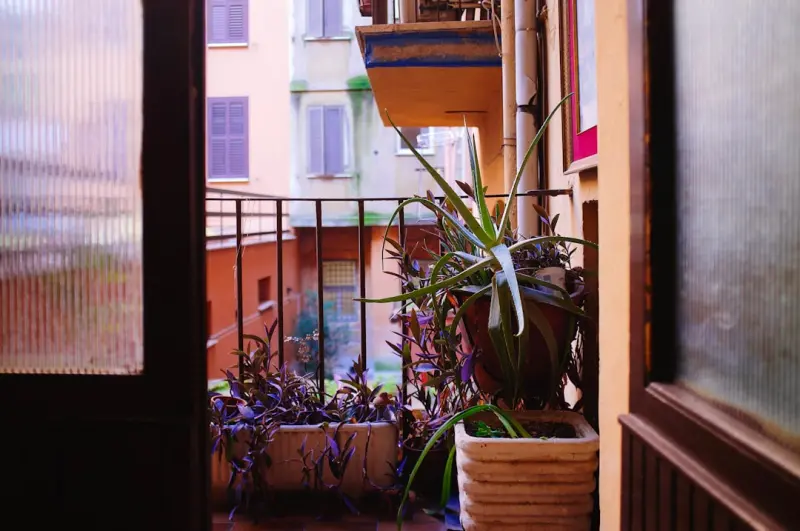
Living in a city apartment often feels like a constant negotiation with limited square footage. The balcony, perched above the street, is frequently dismissed as a mere afterthought—a place for a single potted plant or a narrow railing. Yet that slice of outdoor air is a goldmine of potential. By re‑imagining the balcony as a purposeful, year‑round retreat, you can harvest fresh air, boost your mood, and even cut a few dollars from your entertainment budget. Below, I walk you through a step‑by‑step strategy to transform that modest slab of concrete into a functional sanctuary without breaking the bank.
1. Diagnose the Space Before You Design
Before you start buying furniture, take a hard look at the dimensions, exposure, and structural quirks of your balcony. Measure the length, width, and height clearance. Note the direction the balcony faces—does it soak up morning sun, or is it shaded for most of the day? Identify any weight limits imposed by your building; many balconies can safely support 50‑70 kg per square meter, but it’s best to confirm with management.
Key questions to ask yourself:
- Is the floor sloped or flat?
- Are there railings that can double as hanging points?
- What is the typical wind speed in this location?
- Do I have a reliable power source nearby?
Answering these questions helps you avoid costly missteps, like purchasing a heavy teak bench for a balcony that can’t bear the load or selecting a sun‑loving succulent for a perpetually shaded nook.
2. Prioritize Multifunctional Elements
Space is a premium commodity; each item should earn its keep. Look for pieces that can serve multiple roles. A compact storage bench, for example, offers seating, a place to stow cushions, and a platform for a small side table. Collapsible furniture—fold‑out chairs, wall‑mounted tables—allows you to expand the usable area when you need it and tuck everything away when you don’t.
Consider vertical storage as well. Hanging planters, tiered shelves, and railing-mounted organizers keep the floor clear while adding visual interest. When you choose containers, opt for lightweight materials like resin or recycled plastic to stay within weight limits.
3. Create Distinct Zones
Even a 50‑square‑foot balcony can feel like several rooms if you delineate zones with subtle cues. Here are three zones that work well in most urban settings:
- Relaxation Corner: A low‑profile lounge chair or a floor‑level pouf paired with a weather‑resistant throw. Add a small side table for a book or a cup of tea.
- Green Oasis: A collection of containers featuring herbs, foliage, and perhaps a dwarf fruit tree. Arrange them on a tiered shelf or along the railing for a lush backdrop.
- Utility Spot: A compact, weather‑proof storage box for gardening tools, a lightweight outdoor rug, and a portable Bluetooth speaker for ambient sound.
By mentally assigning purposes, you make the space feel organized and intentional rather than cluttered.
4. Harness Light Wisely
Natural light is the most valuable resource a balcony can offer. If your balcony basks in sun, use UV‑resistant cushions and fabrics that won’t fade quickly. For shaded balconies, incorporate reflective surfaces—light‑colored tiles, mirrored planters, or a glossy metal tray—to bounce the limited light and make the area feel brighter.
When daylight fades, a simple string of LED lights can add ambience without overwhelming the senses. Choose warm‑tone bulbs for a cozy feel, and consider solar‑powered options to keep electricity costs low.
5. Introduce Greenery Strategically
Plants are the cornerstone of any balcony retreat. They improve air quality, lower stress levels, and add a splash of color. Here are some low‑maintenance, weight‑friendly options:
- Herbs: Basil, mint, and thyme thrive in containers and provide fresh ingredients for kitchen experiments.
- Foliage: Snake plant, ZZ plant, and pothos tolerate low light and require infrequent watering.
- Compact Fruit: Dwarf citrus trees or strawberries can produce edible harvests without hogging space.
If you need more planting surface, check out native plant garden ideas for inspiration on selecting species that thrive in your climate and need minimal upkeep.
6. Optimize Storage Without Bulk
Clutter quickly erodes the serenity of a small balcony. Smart storage solutions keep essential items out of sight while preserving aesthetic harmony. Look for hidden storage hacks that can be adapted for outdoor use—think weather‑sealed ottomans, wall‑mounted racks, or a slim, lockable chest that doubles as a seat.
Label your containers or use clear bins so you can locate items at a glance. Group similar objects—garden tools, cushions, outdoor games—so you know exactly where everything belongs.
7. Add Personal Touches That Reflect Your Lifestyle
A balcony should feel like an extension of your personality, not a generic afterthought. Incorporate elements that resonate with your hobbies:
- Reading Nook: Install a small, weather‑proof bookshelf or a hanging magazine rack.
- Mini‑Gym: A foldable yoga mat and a set of resistance bands fit neatly into a corner.
- Creative Studio: A portable easel and a compact stool for sketching or painting.
Even a few decorative items—hand‑crafted wind chimes, a piece of reclaimed wood art, or a collection of vintage lanterns—can infuse character and make the space uniquely yours.
8. Consider Climate Control
Seasonal shifts can limit balcony usability. For cooler months, invest in a compact, portable heater designed for outdoor use, and pair it with a weather‑resistant blanket. In hot weather, a small, freestanding misting fan can lower temperatures without consuming excessive electricity.
Don’t overlook the power source. If your balcony lacks an outlet, consider a rechargeable battery pack or solar‑powered devices to keep lighting and small appliances running.
9. Maintain the Space with a Minimal Routine
Consistency beats occasional deep cleaning. Set a weekly schedule: sweep debris, wipe down surfaces, prune plants, and check for any wear on furniture. By allocating just 15‑20 minutes a week, you prevent grime buildup and preserve the longevity of your balcony assets.
10. Celebrate the Transformation
When your balcony finally feels like a functional retreat, share the joy. Invite a neighbor over for a coffee, host a brief outdoor meditation session, or simply unwind with a book after a long workday. The true reward isn’t the aesthetic—it’s the mental reset you gain from stepping outside your front door and entering a space you curated yourself.
Balcony makeovers don’t require a massive budget or a professional designer. With a clear plan, purposeful selections, and a dash of creativity, you can claim a slice of the sky as your personal sanctuary.

Dale Peterson is a freelance writer with a passion for technology, travel, law and personal finance. With 10 years of experience crafting compelling and informative content, he's dedicated to delivering high-quality writing for Blogging Fusion that engages audiences and achieves specific goals.
Related Posts

Bring the Outdoors In: A Guide to Biophilic Home Design
Discover how to infuse natural light, air‑purifying plants, organic textures, and soothing soundsc... Read More
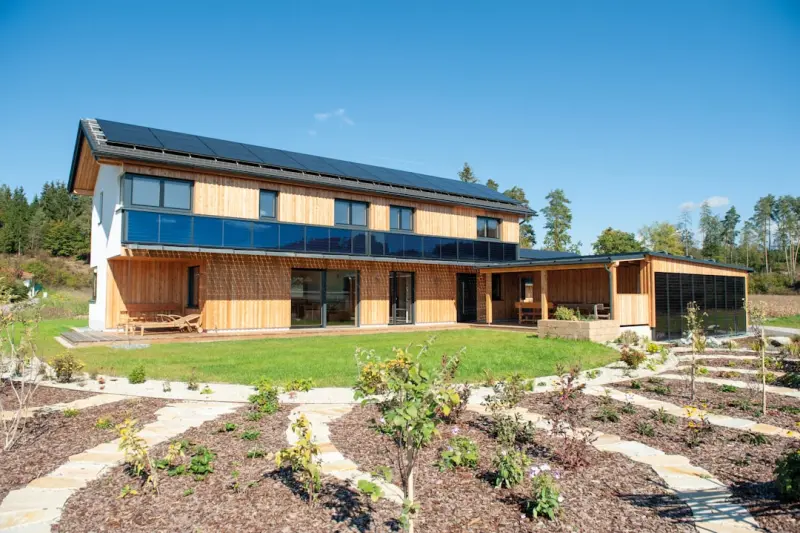
The Quiet Power of Passive Home Design: Boost Comfort Without Major Renovations
Learn how small, intentional tweaks—like optimizing natural light, improving airflow, creating aco... Read More

Soundproof Sanctuaries: Simple Hacks to Quiet Your Home
Learn how to dramatically reduce unwanted noise with affordable DIY fixes—seal gaps, add mass, use... Read More
Top Posts
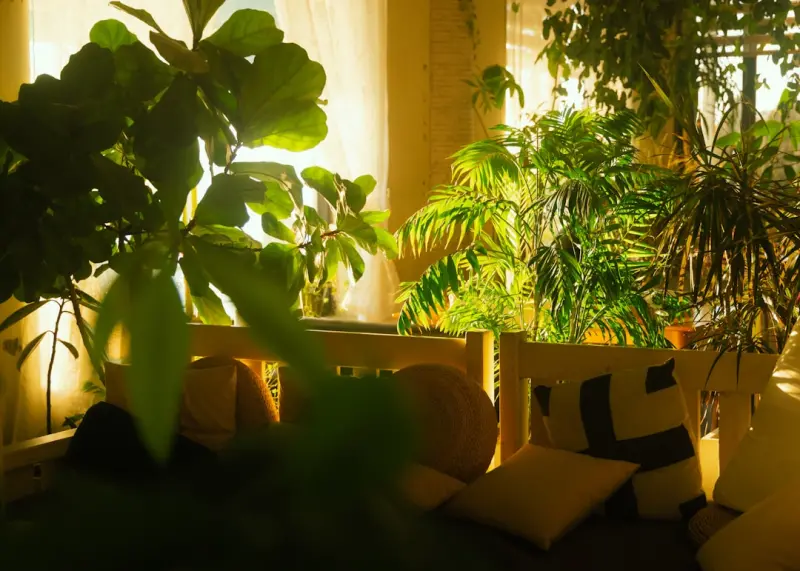
Let the Sun In: Mastering Indoor Light for a Thriving Home Garden
A step‑by‑step guide shows how to measure, match, and enhance indoor sunlight, turning any window into a mini‑greenhouse for a vibrant home garden....Read More

The Portfolio Career Playbook: Turning Multiple Gigs into a Sustainable Full‑Time Life
Learn the step‑by‑step roadmap to build a thriving portfolio career, balancing flexibility, legal safeguards, and financial planning for long‑term success...Read More

AI‑Enhanced Habit Stacking: Supercharging Your Daily Routines
Learn how AI can intelligently combine tiny habits into a seamless stack, turning everyday routines into powerful productivity gains without overwhelming effort...Read More

Backyard Alchemy: Turning Everyday Materials into a Living Art Gallery
Learn to turn trash into treasure, layer plants for seasonal drama, and invite pollinators, creating a backyard that feels like a living art exhibit....Read More
0 Comments
Post Comment
You will need to Login or Register to comment on this post!