
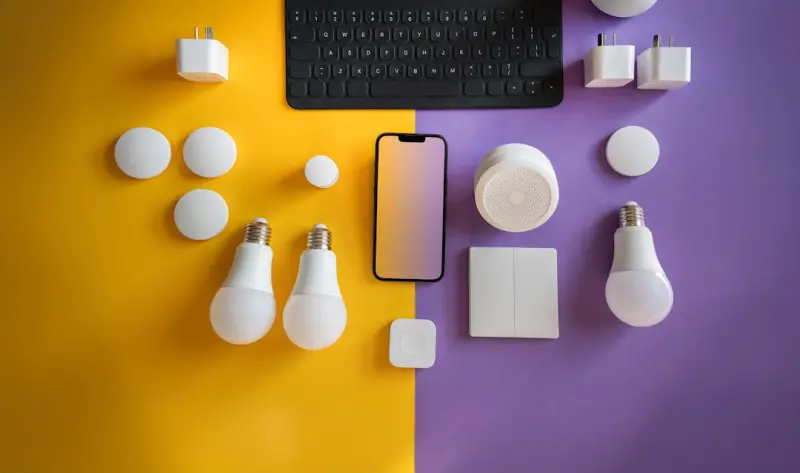
Why Lighting Matters More Than You Think
When you step into a room, the first thing you notice isn’t the furniture or the color of the walls—it’s the light. Light shapes our mood, influences our productivity, and even determines how much we pay for electricity each month. Yet most homeowners treat lighting as an afterthought, choosing the cheapest fixtures or leaving bulbs on “just in case.” The truth is, a few intentional lighting tweaks can transform a space from a dull, energy‑draining zone into a vibrant, mood‑boosting sanctuary—without breaking the bank.
Understanding the Science: Light, Circadian Rhythm, and Focus
Our bodies are hardwired to respond to light. Natural sunlight signals the brain to release hormones that regulate sleep, alertness, and even hormone balance. When indoor lighting mimics these natural cues, we experience enhanced focus during work hours and easier wind‑down in the evening. While the recent post on circadian health explored the science behind sleep cycles, this article zooms in on how you can harness that knowledge in everyday lighting choices.
Start Simple: Swapping Out Bulbs
The cheapest and most immediate upgrade is to replace old incandescent bulbs with LEDs that offer a range of color temperatures:
- Warm white (2700‑3000K) – Ideal for evenings, bedrooms, and any space where you want to unwind.
- Cool white (3500‑4100K) – Perfect for kitchens and bathrooms where you need crisp, clear illumination.
- Daylight (5000‑6500K) – Best for home offices, study areas, or any spot where concentration is key.
By matching the bulb’s temperature to the room’s purpose, you create a subtle cue for your brain, nudging it toward relaxation or alertness as needed. Plus, modern LEDs consume up to 80% less energy than their incandescent predecessors, meaning lower utility bills right away.
Smart Switches: The Control Center
Once you’ve upgraded to LEDs, the next step is adding smart switches. These devices replace traditional wall switches and let you program lighting schedules, dim levels, and even set mood scenes—all from a phone app or voice assistant. Here’s why they’re a game‑changer:
- Automation – Set lights to turn off automatically when you leave a room, eliminating “phantom loads.”
- Scene creation – One tap can switch a living room from a bright “work” setting to a cozy “movie night” ambiance.
- Energy monitoring – Many smart switches provide real‑time usage data, helping you pinpoint wasteful habits.
If you’re hesitant about wiring, look for Wi‑Fi enabled or Zigbee models that work with existing neutral wires. Installation is typically a weekend project, and the savings compound year after year.
Layered Lighting: Combining Function and Mood
Professional designers talk about “layered lighting” – a blend of ambient, task, and accent lights. While the multi‑sensory sanctuary article covered this concept broadly, let’s break it down into actionable steps for the average homeowner.
- Ambient lighting – The overall illumination. Think ceiling‑mounted LEDs or recessed fixtures with dimmers.
- Task lighting – Focused light for activities like reading, cooking, or working. Desk lamps, under‑cabinet strips, or adjustable floor lamps work well.
- Accent lighting – Highlights architectural features, artwork, or plants. LED strip lights, picture lights, and small spotlights add drama.
When you balance these layers, each room serves its primary function while still feeling inviting. For example, a home office might use cool daylight LEDs for ambient light, a focused desk lamp for tasks, and a soft LED strip behind the monitor for a gentle accent that reduces eye strain.
Integrating Natural Elements with Light
Plants aren’t just décor—they’re living light filters. Pairing smart lighting with indoor greenery can amplify both aesthetic and health benefits. The miniature urban forests piece celebrated plants in small spaces, but you can take it a step further by using grow lights that sync with your smart system. Set a timer that mimics sunrise and sunset, giving your foliage the right amount of light while also creating a gentle, natural transition for your home’s atmosphere.
Color Temperature Tricks for Different Times of Day
Beyond choosing the right bulb, you can dynamically adjust color temperature throughout the day:
- Morning (6 am–9 am): Use cool white or daylight settings to stimulate alertness.
- Midday (9 am–5 pm): Keep a balanced neutral white to support sustained focus.
- Evening (5 pm–9 pm): Shift to warm white to signal to your brain that it’s time to wind down.
- Night (after 9 pm): Dim lights to the lowest comfortable level, or use red‑tinted bulbs that have minimal impact on melatonin production.
Many smart lighting ecosystems (like Philips Hue, LIFX, or even budget-friendly options) allow you to create “routines” that automatically transition through these phases, aligning your home’s lighting with your natural rhythms.
Budget‑Friendly DIY Accent Lighting Projects
If you love a hands‑on approach, try these simple projects that add personality without a professional electrician:
- LED Strip Under Cabinets – Peel‑and‑stick strips add functional task lighting for kitchen prep while giving a sleek, modern look.
- Floating Shelf Lights – Install tiny puck LEDs inside floating shelves to highlight books or décor items.
- Jar Lanterns – Repurpose mason jars with battery‑operated LED tea lights for a rustic, low‑cost accent.
- Smart Bulb Clusters – Replace a traditional chandelier with a set of smart bulbs on a decorative frame for a futuristic vibe.
These projects can be completed in an afternoon and provide immediate visual impact, reinforcing the sense that you’re living in a space that’s both intentional and stylish.
Saving Money While You Shine
Smart lighting isn’t just about aesthetics; it’s a financial strategy. Here’s how to maximize savings:
- Use motion sensors in low‑traffic rooms like closets and bathrooms to ensure lights are only on when needed.
- Leverage daylight sensors that dim or turn off interior lights when natural sunlight is sufficient.
- Set “away” modes while you’re at work, reducing the total watt‑hours consumed.
- Combine with smart thermostats – Coordinated systems can adjust lighting and temperature together for optimal comfort and efficiency.
When you add up the reduced electricity, extended bulb lifespan, and lower heating/cooling loads, many families see a 10‑15% reduction on their monthly energy bill within the first year.
Future‑Proofing Your Home
As the Internet of Things expands, lighting will become even more integrated with health, security, and entertainment. Forward‑thinking homeowners can prepare by:
- Choosing platforms that are compatible with multiple brands (e.g., Apple HomeKit, Google Home, Amazon Alexa).
- Installing low‑voltage wiring during remodels, which makes future upgrades easier.
- Keeping an eye on emerging standards like Matter, which promises seamless device communication across ecosystems.
These steps ensure that your lighting upgrades remain relevant and easy to expand as new tech arrives.
Wrap‑Up: Light Up Your Life, One Switch at a Time
Smart lighting is a low‑commitment, high‑return home improvement. By swapping bulbs, adding smart switches, layering light sources, and syncing with natural rhythms, you can create a living environment that feels calm when you need to relax and energized when you need to get things done. The best part? You’ll likely see a noticeable dip in your energy bill while enjoying a space that looks and feels custom‑crafted for you.

Amanda is a passionate writer exploring a kaleidoscope of topics from lifestyle to travel and everything in between.
Related Posts

Eco‑Friendly Home Hacks for Everyday Living
Explore a collection of low‑cost, high‑impact home hacks—from the three‑box declutter method... Read More
The Ultimate Entryway Overhaul: From Cluttered Hall to Calm Gateway
A step‑by‑step guide to turning a chaotic entryway into a serene, organized gateway using vertic... Read More

Smart Space Hacks: Making Every Square Foot Work for You
Learn how to turn a compact home into a versatile sanctuary using convertible furniture, hidden stor... Read More
Top Posts

AI‑Powered Curiosity Engines: Turning Questions Into Competitive Edge
Explore how AI-driven curiosity engines embed generative prompts into everyday workflows, turning every question into a strategic advantage and fueling continuo...Read More

Ethical AI in B2B SaaS: A Playbook for Trust‑First Growth
A practical guide for SaaS leaders on building ethical AI systems—covering transparent intent, bias audits, explainability, and governance—to turn trust int...Read More

Zero‑Waste Personal Care: Building a Sustainable Routine That Works
Discover practical swaps, DIY recipes, and community tips for building a zero‑waste personal care routine that’s both effective and environmentally friendly...Read More
Cultivating Calm: How a Small Home Garden Transforms Everyday Life
A tiny garden can reshape your home life—learn to harness micro‑climates, seasonal rotation, and DIY containers for lasting calm and everyday wellness....Read More
0 Comments
Post Comment
You will need to Login or Register to comment on this post!