
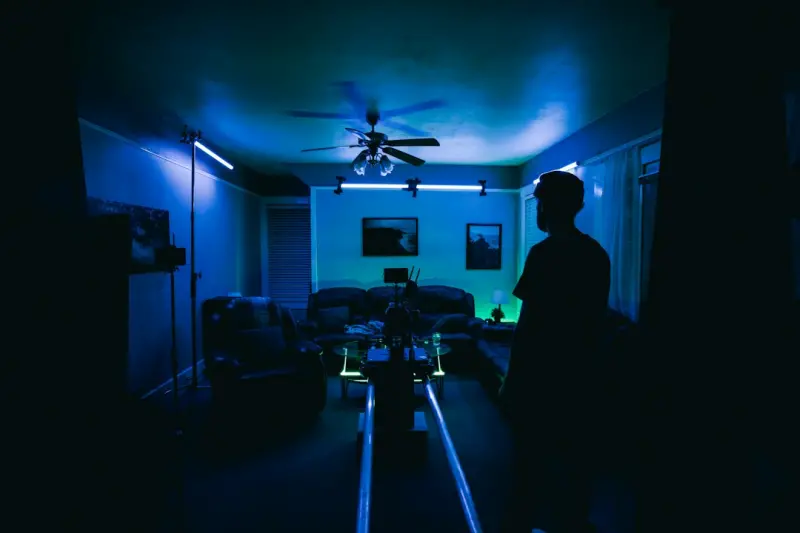
Understanding Light’s Hidden Impact
When you walk into a room, the first thing your brain registers isn’t the furniture or the scent – it’s the light. Light is the most powerful, yet often overlooked, lever you can pull to shape mood, energy, and even cognitive performance. While many people think of lighting as merely functional, the science tells a different story: the hue, intensity, and timing of illumination can either drain your mental reserves or recharge them like a silent espresso shot.
Why Color Temperature Matters More Than You Think
Color temperature is measured in Kelvin (K). Cool light (5,000‑6,500 K) mimics the midday sun and stimulates alertness. Warm light (2,700‑3,000 K) resembles the glow of a sunset and encourages relaxation. By swapping bulbs or adjusting smart‑light settings throughout the day, you can align your home’s lighting rhythm with your natural circadian cycle.
- Morning boost: Start with a burst of cool, high‑CRI (Color Rendering Index) light in the kitchen and bathroom to signal your brain that it’s time to wake up.
- Mid‑day focus: Keep the work nook bathed in neutral‑white light (4,000 K) to sustain concentration without the harsh glare of fluorescent tubes.
- Evening unwind: Dim to warm amber tones after sunset to cue melatonin production, helping you transition smoothly to rest.
Layered Lighting: The Three‑Tier Approach
Professional designers often talk about “layered lighting.” In practice, it means combining three types of light sources to create a balanced environment:
- Ambient lighting – the overall illumination that fills the space. Think recessed LEDs or a central chandelier with adjustable temperature.
- Task lighting – focused light for activities that demand precision, such as reading, cooking, or crafting. Desk lamps with dimmable LEDs are perfect for a home office.
- Accent lighting – highlights that add depth, like LED strips behind shelves or spotlights on artwork. These can be programmed to shift color subtly, reinforcing mood without being distracting.
When each layer is tuned to the time of day, you create a dynamic backdrop that supports both productivity and relaxation.
Smart Light Schedules: Automate the Flow
Modern smart‑light ecosystems let you program scenes that transition automatically. A simple schedule might look like this:
- 6:30 am – Sunrise Simulation: Lights gradually increase from 2,000 K to 5,500 K over 15 minutes, mimicking the natural sunrise.
- 9:00 am – Focus Mode: All task areas shift to a steady 4,000 K, while ambient lighting dims to reduce visual clutter.
- 6:30 pm – Wind‑Down: Lights transition to 2,500 K and dim to 30 % brightness, signaling the body to prepare for sleep.
These routines can be set via smartphone apps, voice assistants, or even linked to sunrise/sunset data for location‑specific accuracy.
Beyond Light: Pairing Sound and Scent for a Full Sensory Upgrade
While the focus of this post is lighting, the best‑performing environments consider multiple senses. For instance, you might pair cool morning light with a subtle citrus aroma to amplify alertness, or combine warm evening light with a gentle ambient soundscape to deepen relaxation. This multimodal approach creates a coherent narrative for your brain, reducing the effort required to shift mental states.
Choosing the Right Fixtures for Each Zone
Not all light fixtures are created equal. Here’s a quick guide to match fixtures with function:
| Zone | Recommended Fixture | Key Feature |
|---|---|---|
| Home Office | Adjustable LED desk lamp | Brightness & temperature dimming, glare‑free |
| Living Room | Smart recessed downlights + LED strips | Layered control, color‑changing accent |
| Kitchen | Under‑cabinet strip lights | High CRI for food prep accuracy |
| Bedroom | Warm bedside sconces | Low‑intensity, warm hue for melatonin support |
DIY Light Hacks That Don’t Require a Renovation
If a full‑scale smart‑home rollout feels overwhelming, start small with these budget‑friendly tricks:
- Swap to LED bulbs with adjustable temperature. Many mainstream brands now offer a “tunable” option for under $20 per bulb.
- Use a dimmer switch on existing fixtures. Even a manual dimmer can let you lower brightness after sunset.
- Apply light‑filter films on windows to block harsh midday glare without sacrificing natural light.
- Hang reflective panels behind lamps to amplify perceived brightness without increasing wattage.
Measuring Success: Simple Metrics to Track
Before you invest heavily, set a baseline and monitor improvement. Here are three easy metrics:
- Task completion time – Record how long routine tasks (e.g., email batching, meal prep) take before and after lighting changes.
- Self‑reported focus level – Use a 1‑10 scale at three points in the day to gauge perceived alertness.
- Sleep onset latency – Track how many minutes it takes to fall asleep after implementing evening lighting routines.
Even modest gains (e.g., a 10 % reduction in task time) can translate to significant productivity over weeks.
Integrating AI for Adaptive Light Management
Artificial intelligence isn’t limited to business pipelines; it can act as an invisible home manager. By feeding your smart‑light hub data about your calendar, activity sensors, and even biometric wearables, an AI engine can predict when you’ll need a burst of focus or a calming environment and adjust lighting preemptively. For a deeper dive into how AI can become a silent thought partner in everyday life, explore AI‑assisted lighting strategies.
Future‑Proofing Your Lighting Strategy
Technology evolves fast, but the fundamentals of human perception stay the same. To keep your home lighting ahead of the curve:
- Choose fixtures that support both Bluetooth and Zigbee protocols – flexibility ensures compatibility with new hubs.
- Invest in bulbs with a high CRI (≥90) for true color rendering; this matters for tasks like graphic design or cooking where color accuracy is key.
- Keep firmware up to date. Manufacturers often release energy‑saving algorithms that can shave watts off your bill while improving dimming smoothness.
Conclusion: Light as Your Home’s Productivity Engine
By treating light as a programmable resource rather than a static backdrop, you unlock a hidden productivity engine right inside your walls. From morning cool bursts that spark alertness to evening amber fades that coax calm, each adjustment is a small but powerful nudge to your nervous system. Pair these lighting tweaks with thoughtful sound and scent choices, and you’ll have a holistic, science‑backed home environment that fuels focus, creativity, and restful recovery – all without stepping outside.

Sanji Patel has dedicated 25 years to the SEO industry. As an expert SEO consultant for news publishers, he emphasizes providing both technical and editorial SEO services to news publishers worldwide. He frequently speaks at conferences and events globally and offers annual guest lectures at local universities.
Related Posts
Seasonal Home Refresh: A Holistic Checklist for a Healthier, Brighter Space
A step‑by‑step seasonal checklist that covers air quality, natural lighting, storage, textiles, ... Read More
Evening Reset: The 10‑Minute Routine That Transforms Your Home
A simple, 10‑minute evening reset—covering entryway clear‑out, kitchen quick‑clean, light an... Read More
Design Home Zones That Boost Focus, Relaxation, and Movement
Discover practical, low‑cost methods for zoning your home to support work, relaxation, exercise, a... Read More
Top Posts

Turn Your Compact Home into a High‑Efficiency Hub
Learn how to transform a compact living space into a high‑efficiency hub using smart zoning, modular storage, low‑tech air solutions, one‑touch automation...Read More

Crafting a Personalized Sensory Routine: The Small‑Scale Secrets to Everyday Wellness
Learn to weave micro‑periods, scent layers, and texture into your daily routine, turning ordinary self‑care into a personalized sensory experience....Read More

DIY Upcycled Planters: Turning Household Waste into Garden Art
Learn to turn discarded items into eye‑catching planters, blend art with sustainability, and keep your garden fresh all year with creative upcycling ideas....Read More
AI as the Invisible Co‑Pilot for Strategic Decision‑Making
AI is evolving from a tool that creates content to a silent partner that filters noise, predicts outcomes, and offers prioritized recommendations, enabling lead...Read More
0 Comments
Post Comment
You will need to Login or Register to comment on this post!