
When I first walked into a boutique fragrance shop as a kid, I was dazzled—not by the glittery bottles or the fancy branding, but by the way a single whiff could instantly lift my spirits, sharpen my focus, or even transport me back to a sun‑soaked afternoon on the coast. That visceral reaction stayed with me, and over the years it’s become clear that scent is the most under‑leveraged tool in our personal care arsenal.
The Science Behind Smell and Mood
Our olfactory system is a direct line to the limbic system, the brain region that governs emotion, memory, and motivation. Unlike sight or sound, which must first be processed by the cortex, fragrance bypasses the “thinking” center and hits the emotional core almost instantly. Researchers have documented how lavender reduces cortisol levels, how citrus boosts alertness, and how peppermint can improve cognitive performance by up to 15%.
What this means for personal care is profound: By curating the scents that surround us throughout the day, we can deliberately influence how we feel, think, and act. It’s not just about smelling good; it’s about feeling good—and performing better.
From Luxury Perfume to Everyday Ritual
Historically, fragrance has been a luxury commodity, reserved for special occasions. Today, the democratization of scent through roll‑ons, diffusers, and even scented skin‑care products lets us integrate aroma into every facet of our routine. The trick is to shift from an occasional “spritz before a date” mindset to a strategic, multi‑point “scent schedule” that aligns with our daily objectives.
Designing Your Personal Scent Blueprint
Think of your day as a series of phases—wake‑up, focus, movement, wind‑down. For each phase, select a signature scent that supports the desired state:
- Morning Activation: Citrus blends (orange, grapefruit) or invigorating eucalyptus to kick‑start alertness.
- Mid‑Morning Focus: Light rosemary or peppermint, applied to pulse points or diffused in your workspace.
- Afternoon Reset: Soft lavender or chamomile to counter stress and prevent the post‑lunch slump.
- Evening Wind‑Down: Warm vanilla, sandalwood, or a hint of bergamot to signal the body it’s time to relax.
By pairing each scent with a habit, you create a powerful cue‑response loop that trains your brain to associate a particular aroma with a specific mental state.
Integrating Scent with Existing Personal Care Habits
If you’re already invested in micro‑habits for longevity, adding a scent component is seamless. For example, pair a 30‑second mindfulness breath with a whiff of rosemary. The aroma reinforces the calming breath, making the habit stickier and more rewarding.
Similarly, the playful movement approach can be supercharged with scent. Imagine a quick stretch break accompanied by a spray of citrus oil—your muscles get the cue to move, and your brain gets the cue to stay alert.
Choosing the Right Delivery Method
Not all scents are created equal, and the delivery mechanism influences both intensity and duration:
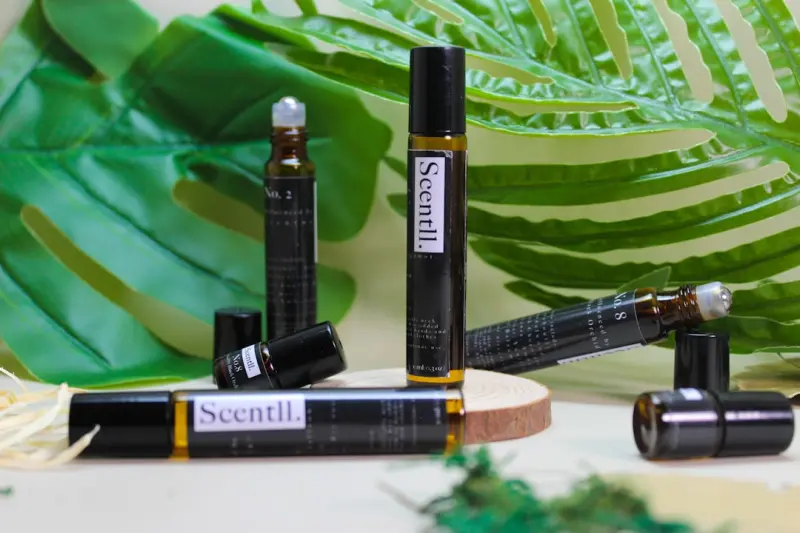
- Topical Oils & Roll‑Ons: Perfect for on‑the‑go application to pulse points, offering a steady release throughout the day.
- Diffusers: Ideal for workspaces or home offices, they create a consistent ambient scent that subtly influences the environment.
- Spray Mists: Great for quick bursts of fragrance, especially before meetings or presentations.
- Bath & Body Products: Integrating scent into shower gels, lotions, and body washes extends the aromatic experience into your skin care routine.
When selecting products, look for natural essential oils rather than synthetic fragrances. Natural oils preserve the complex molecular structures that interact more effectively with our olfactory receptors.
Safety and Sensitivity Considerations
While scent can be a game‑changer, it’s essential to respect individual sensitivities. Some people experience headaches or allergic reactions to strong aromas. A good practice is to start with low concentrations, test on a small skin area, and gauge the response. Also, be mindful of shared spaces—opt for milder, universally accepted scents in open‑plan offices to avoid causing discomfort for colleagues.
Building a Sustainable Scent Routine
Personal care trends are increasingly leaning toward sustainability. When curating your scent toolkit, consider the following:
- Eco‑Friendly Packaging: Choose brands that use recyclable glass or biodegradable containers.
- Ethically Sourced Ingredients: Look for certifications such as Fair Trade or Rainforest Alliance for essential oils.
- Refill Programs: Many boutique brands now offer refill stations, reducing plastic waste.
Integrating sustainability not only aligns with a responsible lifestyle but also deepens the ritual—knowing your scent choices support both personal well‑being and the planet.
Measuring the Impact of Aroma on Performance
To truly appreciate the benefits, track how scent affects your day. Keep a simple journal:
- Note the scent used and the time of day.
- Record your subjective mood (e.g., “energized”, “calm”).
- Log any measurable outcomes (e.g., completed tasks, focus duration).
After a week, you’ll likely see patterns—perhaps peppermint boosts focus during deep‑work sessions, while lavender improves sleep quality. This data‑driven approach turns a sensory preference into a performance‑enhancing habit.
Case Study: A Day in the Life of an Optimized Scent Routine
7:00 am – Wake‑up:* A quick splash of citrus‑infused facial mist paired with a brief gratitude journal. The bright aroma primes the brain for alertness.
9:30 am – Deep‑work:* A roll‑on of rosemary applied to wrists before a two‑hour coding sprint. The scent serves as a cue to stay focused.
12:30 pm – Lunch break:* A gentle lavender diffuser in the break room helps lower post‑meal fatigue.
3:00 pm – Energy dip:* A peppermint spray revitalizes the senses, reducing the typical afternoon slump.
6:30 pm – Evening wind‑down:* A warm sandalwood candle during a nightly reading session signals the body to transition into relaxation.
This micro‑structured approach showcases how scent can be woven seamlessly into existing routines, delivering both emotional uplift and tangible productivity gains.
Future Trends: Adaptive Aromas and Tech Integration
While we’re steering clear of the smart personal care revolution, it’s worth noting the emerging frontier of adaptive aromatherapy devices. Imagine a desk lamp that detects your heart rate and releases a calming scent when stress spikes, or a smart shower that adjusts fragrance intensity based on water temperature. These innovations hint at a future where scent becomes as programmable as lighting or temperature, further blurring the line between personal care and technology.
Getting Started: Your First Scent Stack
Ready to experiment? Here’s a starter kit for the scent‑curious:
- Essential oil roll‑on blend: 5% rosemary, 3% peppermint, 2% citrus.
- Diffuser with a set of three oils: lemon (morning), lavender (afternoon), sandalwood (evening).
- Lightweight spray bottle for quick bursts of aroma before meetings.
Begin by assigning each oil to a specific part of your day. Commit to using them consistently for two weeks, and log your observations. Adjust concentrations, switch oils, or add new scents based on what resonates.
Conclusion: Scent as a Strategic Personal Care Asset
In a world saturated with gadgets and data‑driven habits, the humble sense of smell offers a profoundly human way to optimize well‑being. By treating aroma as a strategic component of your personal care routine—paired with intentional habits, sustainable choices, and a dash of curiosity—you can unlock a subtle yet powerful lever for mood, focus, and overall health.
So the next time you reach for that after‑shave splash or light a candle, ask yourself: What am I really trying to achieve right now? Then choose the scent that will help you get there. Your brain, body, and perhaps even your colleagues will thank you.

Tyler Johnson is a seasoned freelance writer with a keen eye for detail and a passion for crafting compelling narratives. His years of experience have honed his ability to adapt his style to suit diverse client needs and project requirements.
Related Posts

Digital Sunset: Reclaiming Evening Calm for Personal Care
Margaret Thomson shares her personal “digital sunset” routine, a nightly unplugging practice tha... Read More
Rediscovering Personal Care Through the Power of Touch, Temperature, and Aroma
A fresh take on personal care shows how mindful engagement of touch, temperature, and scent can boos... Read More
Microbiome‑First Personal Care: How Gut Health Is Rewriting Your Beauty Routine
A deep dive into how balancing your gut microbiome can boost skin health, featuring practical probio... Read More
Top Posts

Micro‑Zones: Tiny Home Transformations for Big Daily Wins
Learn to carve out micro‑zones—focused corners for work, cooking, relaxation, fitness, and creativity—that streamline daily life, improve productivity, an...Read More
Designing a Year‑Round Sensory Garden That Feeds the Soul
Discover how to craft a multi‑season sensory garden that engages the senses, supports mental calm, and adds lasting beauty to your home, with practical tips a...Read More

Zero‑Waste Adventures: Travel Light on Plastic and Carbon
Embark on a zero‑waste journey with actionable packing hacks, eco‑friendly transport choices, and sustainable food tips that turn every trip into a responsi...Read More
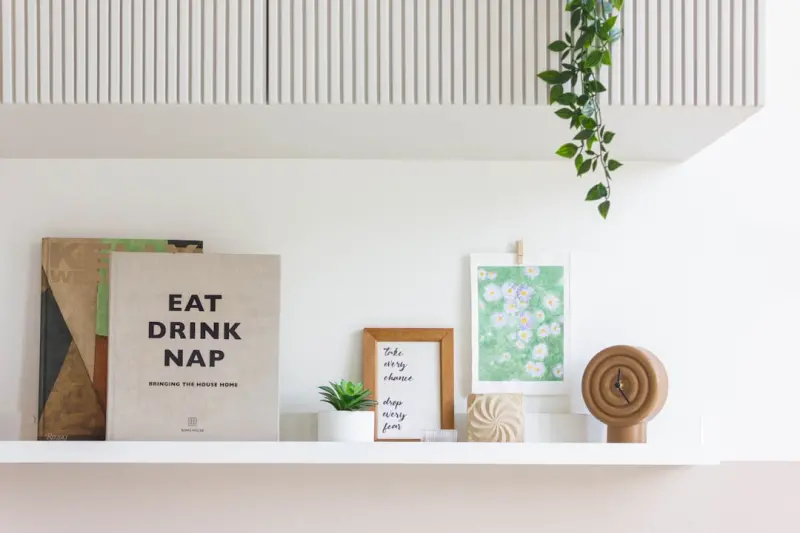
Unlock Hidden Potential in Your Home: 7 Overlooked Spaces That Can Transform Daily Life
Explore practical, low‑budget ideas to repurpose underused areas of your home—from a hallway closet command center to a hidden attic studio—creating purpo...Read More
0 Comments
Post Comment
You will need to Login or Register to comment on this post!