
Why Your Balcony Deserves Its Own Tiny Farm
When I first moved into my downtown loft, the only “green” I owned was a wilted pothos in the corner. The view outside was a concrete jungle, but the balcony—just a narrow slab of concrete with a rail—called out to me like a blank canvas. I decided to turn that underused perch into a year‑round mini garden. The result? Fresh herbs for my cooking, a splash of color that lifts my mood, and a surprisingly low‑maintenance hobby that even my busy schedule can accommodate.
The Psychology of Small‑Space Gardening
There’s something almost therapeutic about nurturing life in a confined spot. Research shows that tending to plants can lower cortisol, improve focus, and even boost creativity. In a city where space is premium, a balcony garden gives you a pocket of nature that can recharge your mental batteries without the need for a sprawling backyard.
Step‑by‑Step Blueprint for a Thriving Balcony Garden
Below is the play‑by‑play plan I followed, broken into four phases: planning, selecting the right containers, picking plant varieties, and ongoing care. Feel free to jump to the sections that matter most to you.
1. Assess Your Balcony’s Micro‑Environment
- Sunlight exposure: Track how many hours of direct sun the space receives. South‑facing balconies in the Northern Hemisphere usually get 5‑6 hours of sun, which is ideal for most herbs and vegetables. If you’re on a shady side, consider shade‑tolerant greens like lettuce, spinach, and parsley.
- Wind: Balconies can be breezy, especially on higher floors. A simple windbreak—like a trellis with climbing vines or a row of taller containers—can protect delicate seedlings.
- Weight limits: Check with your building management about load capacities. Most standard containers (up to 20 lb when filled) are safe, but heavy ceramic pots can quickly exceed limits.
2. Choose Containers That Fit Your Aesthetic and Function
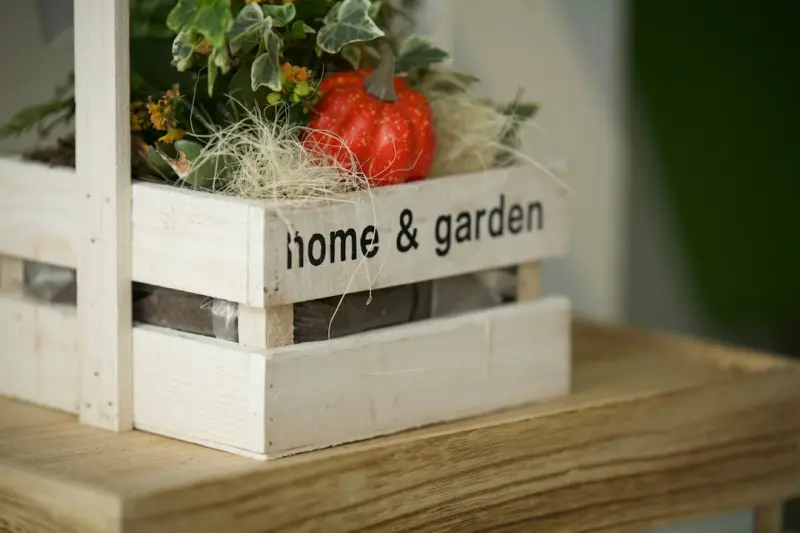
While traditional terra‑cotta pots are charming, they’re porous and can dry out quickly on sunny balconies. I opted for a mix of lightweight resin planters and stackable wooden crates that double as seating. Here’s why:
- Drainage control: Most modern containers come with built‑in drainage holes. If not, drill a few and add a layer of gravel at the bottom.
- Mobility: Lighter pots can be moved to catch the sun or shield from wind.
- Style cohesion: Choose colors and textures that complement your balcony’s railings and outdoor furniture. A coordinated look makes the garden feel intentional rather than improvised.
3. Curate a Plant Palette for Continuous Harvest
My goal was to have something ready to snip for a salad or a sauce at any time of the year. I grouped plants into three categories:
- Herbs (fast‑growing, low‑maintenance): Basil, mint, cilantro, thyme, and chives. Plant them in shallow trays; they love the occasional trimming.
- Leafy greens (cool‑season): Arugula, kale, Swiss chard, and baby lettuce. These thrive in partial shade and can be harvested leaf‑by‑leaf.
- Compact vegetables (sun‑loving): Cherry tomatoes, dwarf peppers, and bush beans. Choose varieties labeled “patio” or “container” for best results.
For added variety, I added a few fruiting shrubs like dwarf strawberries and a tiny blueberry bush, which fit neatly into the corners.
4. Master the Soil Mix and Fertilization
Good soil is the foundation of any garden, especially when you’re limited to containers. I blend 3 parts high‑quality potting mix, 1 part compost, and 1 part perlite to ensure drainage while retaining enough moisture for root health. A slow‑release granular fertilizer (5‑10‑5) works wonders; just sprinkle it in the soil at planting and again after the first harvest.
5. Watering Strategies That Save Time
Over‑watering is a common rookie mistake. My balcony garden uses a two‑tiered watering system:
- Morning mist: A gentle spray with a hand‑held mister ensures the topsoil stays moist without drowning the roots.
- Self‑watering trays: I line the bottom of each pot with a shallow tray filled with water‑absorbing crystals. The soil draws up moisture as needed, extending watering intervals to 3‑4 days even in summer.
6. Feeding and Pruning for Continuous Production
Regular pruning encourages bushier growth. For herbs, pinch back the top third every two weeks. For tomatoes, remove “suckers” (the small shoots that appear between the main stem and branches) to direct energy to fruit production. Apply a liquid seaweed fertilizer once a month for a natural nutrient boost.
7. Dealing with Pests—Without Harsh Chemicals
Balcony gardens attract aphids, spider mites, and occasionally snails. I keep a small DIY spray bottle with diluted neem oil (1 tsp per quart of water) for spot‑treatments. Introducing beneficial insects—like ladybugs—can also keep aphid populations in check.
8. Seasonal Adjustments
When the days get shorter, I pull the most tender plants into a sunny windowsill. For frost‑prone regions, I invest in a lightweight portable greenhouse cover that traps heat without blocking light. This allows me to keep tomatoes and peppers productive well into the cooler months.
9. Styling Tips to Make Your Balcony Garden Instagram‑Ready
Even if you’re not a social media influencer, a visually appealing garden lifts your spirits. Here are some of my go‑to tricks:
- Vertical gardening: Install a hanging pocket system (fabric pockets mounted on a rail) for trailing herbs like oregano and thyme.
- Color coordination: Choose pots in complementary hues—soft greys, deep blues, or natural wood tones—to create a cohesive palette.
- Lighting: Solar‑powered LED string lights add a warm glow for evening meals.
- Functional décor: A small, weather‑proof herb drying rack doubles as a decorative element and a practical tool for preserving excess harvest.
10. Harvesting and Using Your Home‑Grown Produce
One of the most rewarding parts is the immediate payoff: a handful of basil fresh from the plant tossed into a summer pasta, or crisp lettuce harvested just before dinner. Here’s a quick guide:
- Basil: Pinch leaves before the plant flowers for the sweetest flavor.
- Tomatoes: Pick when they turn fully colored but are still firm; they’ll ripen further off the vine.
- Herb drying: Hang sprigs upside down in a cool, dry spot for 1‑2 weeks, then store in airtight jars.
Integrating Technology for Smarter Gardening
If you love gadgets, a few simple tools can elevate your balcony garden:
- Soil moisture sensor: Bluetooth‑enabled probes send real‑time data to your phone, letting you know exactly when to water.
- Smart timers: Pair a timer with a drip irrigation kit to automate watering during your work hours.
- Plant‑care apps: Apps can remind you of pruning schedules, fertilization dates, and pest checks.
Balcony Garden Success Stories
Since I launched my balcony garden, neighbors have started asking for cuttings, and a few have even turned their own small terraces into edible oases. The ripple effect is amazing: a collective boost in community wellness and a subtle shift toward greener urban living.
Common Mistakes and How to Avoid Them
- Overcrowding: Give each plant enough space to breathe. A packed pot leads to competition for nutrients and can invite disease.
- Neglecting the wind: A sudden gust can topple a tall container. Secure pots with brackets or place heavier items at the base.
- Ignoring soil health: Refresh the potting mix annually to prevent compaction and nutrient depletion.
Wrapping Up: Your Balcony, Your Sanctuary
Creating a balcony garden is less about achieving perfect horticultural mastery and more about carving out a personal sanctuary that feeds both body and soul. With the right planning, a few smart container choices, and consistent care, you can transform even the tiniest of terraces into a vibrant, productive space.
Ready to start? Grab a few pots, select your favorite herbs, and let the balcony bounty begin. Happy planting!

Ryan Stuart is a seasoned freelance features writer, editor, and professional photographer with a passion for exploring the world and capturing its beauty through words and images.
Related Posts

Why My Garden Desk Became the Heart of My Home
From a cramped cubicle to a thriving garden desk, I share how outdoor workspaces transformed my home... Read More
Smart Water Management for a Greener Home Garden
Learn practical, tech‑driven strategies to save water, reduce costs, and create a resilient garden... Read More
How to Grow a Backyard Micro‑Forest: A Hands‑On Blueprint
Discover a step‑by‑step guide to building a backyard micro‑forest that enhances biodiversity, ... Read More
Top Posts

From Job Titles to Job Stories: Shaping Meaningful Careers
In a SaaS world where change is the norm, this post argues that static job titles are limiting and introduces the “job story” framework, showing how narrati...Read More

The Soundtrack Strategy: How Curated Music Can Elevate Your Mental Health
Learn to transform your mental health with a personalized music strategy—use curated playlists, ambient soundscapes, and intentional silence to reduce stress,...Read More

Tiny Moves, Big Gains: Unlocking Health with Micro‑Movement Strategies
Learn the science behind micro‑movements and how tiny, intentional actions can transform your health, from better circulation to sharper focus, without needin...Read More

Designing a Personal Learning Roadmap to Accelerate Your Career
A step‑by‑step guide to building a personal learning roadmap that aligns with business priorities, leverages micro‑internships, and negotiates dedicated d...Read More
0 Comments
Post Comment
You will need to Login or Register to comment on this post!