
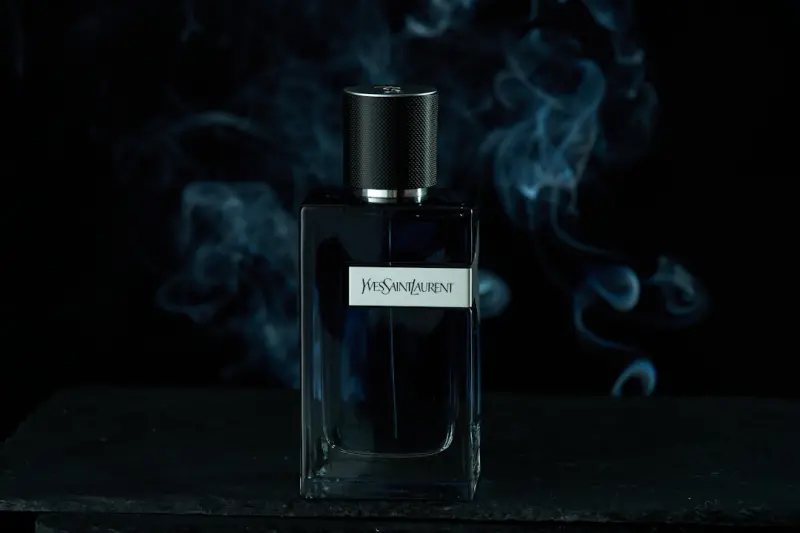
Ever notice how a single whiff of citrus can yank you out of a foggy morning, while a hint of sandalwood seems to pull you into a quiet focus? It isn’t magic – it’s neuroscience meeting personal care. In the hustle of modern life, we’re constantly looking for edges, and the olfactory system offers a surprisingly under‑utilized lever. This piece dives into the chemistry of scent, how to craft a personal fragrance strategy that fuels performance, and why pairing aroma with tactile and auditory cues can turn a mundane routine into a high‑impact ritual.
The Nose Knows: How Smell Shapes Mood and Cognition
Unlike vision or hearing, the olfactory pathway bypasses the thalamus and connects directly to the limbic system – the brain’s emotional hub. When a molecule binds to an olfactory receptor, signals zip straight to the amygdala and hippocampus, influencing stress levels, memory recall, and even decision‑making speed. Research shows that peppermint can improve alertness, while lavender tends to lower cortisol, creating a physiological backdrop for whatever task lies ahead.
What this means for personal care is simple: the scents you surround yourself with aren’t just pleasant; they’re active participants in how you feel and perform. By curating a “scent stack” – a layered blend of top, middle, and base notes – you can engineer a predictable emotional state on demand.
Crafting a Signature Scent Routine
Most people treat perfume or cologne as a one‑off accessory. Think of it instead as a daily operating system update. Here’s a step‑by‑step framework:
- Identify Your Intent. Are you gearing up for deep work, a high‑energy meeting, or a calming evening wind‑down? Each objective calls for a different olfactory profile.
- Select Core Aromas. Choose a primary note that aligns with your goal – citrus or peppermint for alertness, bergamot for creative flow, vanilla for relaxation.
- Layer Supporting Notes. Add secondary scents that reinforce the primary effect. For focus, a faint rosemary or rosemary‑mint can extend the alertness boost without overwhelming the senses.
- Anchor With a Base. Base notes like cedarwood, sandalwood, or patchouli linger longer, ensuring the scent’s influence persists throughout the day.
- Test and Iterate. Like any personal care experiment, note how you feel after each application. Adjust concentrations or swap notes until the emotional response aligns with your expectation.
Layering Fragrances for Mood: A Practical Example
Imagine a morning routine designed for a high‑impact presentation. Start with a splash of citrus‑pepper spray on your pulse points – the rapid top notes spike dopamine, sharpening focus. Midway through, dab a touch of rosemary‑lavender oil on the back of your neck; this combination tempers the intensity, keeping anxiety at bay while maintaining clarity. Finally, as you transition to the post‑presentation debrief, a light mist of vanilla‑sandalwood can usher in a calm, reflective state, promoting better processing of feedback.
Beyond Scent: The Power of Tactile and Auditory Cues
While scent is a potent trigger, integrating it with other senses creates a multi‑modal ritual that’s hard to break. Consider these complementary practices:
- Texture Therapy. Pair a soothing scent with a specific fabric – a silk pillowcase for nighttime routines or a breathable bamboo shirt for daytime focus. The tactile feedback reinforces the olfactory cue, deepening the brain’s association.
- Soundscapes. Ambient playlists tuned to your task can amplify the effect. For focused work, low‑frequency binaural beats paired with peppermint create a “flow tunnel.” For relaxation, gentle rain sounds combined with lavender amplify the calming response.
- Temperature Modulation. Warm showers release volatile compounds from essential oils more efficiently, while a cool splash can lock in invigorating notes, giving you control over intensity.
Integrating Personal Scent Strategies into Professional Workflows
Many high‑performing teams already leverage environmental design – think standing desks or natural lighting. Scent can be the next frontier. Here’s how you can embed it without disrupting the office culture:
- Personal Diffusers. Small, battery‑operated diffusers on your desk let you control micro‑doses of essential oils throughout the day. Opt for discreet designs to keep the workspace professional.
- Shared Spaces. For meeting rooms, rotate neutral base notes (e.g., light citrus) that boost collective alertness without overwhelming individual preferences.
- Remote Work. Virtual teams can sync scent “breaks” – a 5‑minute pause where everyone sprays the same aroma, creating a shared sensory anchor that strengthens team cohesion.
Data‑Driven Personal Care: Learning from Tech
In the age of AI‑enhanced productivity, why not let technology inform your scent choices? The quiet mentor approach to personal optimization can analyze your calendar, stress metrics, and even heart‑rate variability to suggest optimal scent profiles at specific times. Imagine an app that detects a looming deadline and nudges you with a peppermint reminder, or a post‑work wind‑down cue with lavender when your smartwatch flags elevated cortisol.
Such integrations bridge the gap between subjective feeling and objective data, turning personal care into a measurable performance lever.
When Traditional Skincare Meets Scent Science
While we’ve focused on aroma, skin health remains a cornerstone of personal care. Emerging trends like fermented skincare techniques highlight how biochemical processes can boost barrier function. Pairing these skin‑enhancing formulas with scent‑aligned rituals can create a holistic routine: apply a fermented serum after a calming lavender mist to lock in moisture while reinforcing relaxation.
DIY Scent Crafting: Your Home Lab
Creating your own blends doesn’t require a chemistry degree. Here’s a starter kit you can assemble in under an hour:
- Essential oils (peppermint, bergamot, lavender, sandalwood)
- Carrier oil (jojoba or fractionated coconut)
- Small amber glass roll‑on bottles
- Droppers and a mixing pipette
- A scent strip for testing
Mix 10 drops of carrier oil with 2–3 drops of your chosen essential oils. Start with a 2:1 ratio of top to base notes, then adjust. Test on a strip, inhale, and note the immediate emotional response. Over the next few days, apply to pulse points and track focus, mood, and any physical reactions.
Maintaining Scent Hygiene
Just as you’d wash your hands, your scent arsenal needs care:
- Rotate Scents. Using the same blend daily can cause olfactory fatigue, diminishing effectiveness.
- Store Properly. Keep essential oils in dark glass bottles away from heat to preserve potency.
- Mind the Environment. Strong scents can be overwhelming in closed offices; opt for subtle concentrations and respect coworkers’ sensitivities.
Measuring Impact: Simple Self‑Assessment
To gauge whether your scent strategy is delivering, adopt a quick self‑audit:
- Before applying a scent, record a baseline of focus (e.g., “Can I stay on task for 30 minutes without distraction?”)
- Apply the chosen aroma and engage in the intended activity.
- After 30 minutes, note any changes: improved clarity, reduced anxiety, or unchanged state.
- Log the results over a week to identify patterns.
This iterative process mirrors the agile mindset: hypothesize, test, learn, and refine.
Future Directions: Scent‑Enabled Wearables
Imagine a smartwatch that releases a micro‑dose of aroma through a skin‑contact pad, timed to your circadian rhythm. Early prototypes are already exploring micro‑encapsulation technology that could deliver precise scent bursts based on biometric triggers. As this tech matures, the line between personal care and performance‑enhancing wearables will blur, offering a seamless, invisible support system.
Conclusion: Making Scent a Strategic Asset
Personal care isn’t just about looking good – it’s about feeling optimized for the tasks at hand. By treating scent as an active tool rather than a decorative afterthought, you can unlock a hidden layer of cognitive and emotional control. Combine aroma with tactile and auditory cues, let data guide your choices, and maintain a disciplined scent hygiene routine. The result? A daily ritual that not only smells great but also propels you toward higher productivity, better mood, and a more intentional life.

Seth Samual is a name that's quickly becoming synonymous with compelling and insightful writing. As a freelance writer, Seth has carved a niche for himself by delivering high-quality content across a diverse range of subjects.
Related Posts

Why Your Bathroom Should Feel Like a Spa: The Science of Sensory Personal Care
Explore the science behind scent, sound, texture, temperature, and lighting in the bathroom, and lea... Read More
Biophilic Personal Care: Nature‑Inspired Grooming for the Modern Professional
Discover how integrating natural elements, microbiome‑friendly formulas, and smart lighting into d... Read More
Reimagining Personal Care: Micro‑Rituals for Body, Mind, and Planet
A fresh take on personal care that blends micro‑moments, skin microbiome science, warm‑therapy r... Read More
Top Posts

Quiet Corners: Mastering Acoustic Comfort in Open‑Plan Homes
Learn how to turn noisy open‑plan spaces into serene retreats using soft furnishings, DIY acoustic panels, strategic plant placement, and simple layout tweaks...Read More

The Uncharted Rhythm: Crafting a Travel Experience That Plays Like a Personal Playlist
Explore a fresh travel approach that blends curated soundtracks, regional flavors, train journeys, and pop‑up events, turning each adventure into a living, re...Read More

Tiny Moves, Big Gains: Unlocking Health with Micro‑Movement Strategies
Learn the science behind micro‑movements and how tiny, intentional actions can transform your health, from better circulation to sharper focus, without needin...Read More

Why Structured Day‑Offs Are the Secret Weapon for Modern Professionals
A deep dive into how deliberately scheduled rest days can rejuvenate energy, spark creativity, and boost productivity, with actionable steps for individuals and...Read More
0 Comments
Post Comment
You will need to Login or Register to comment on this post!