
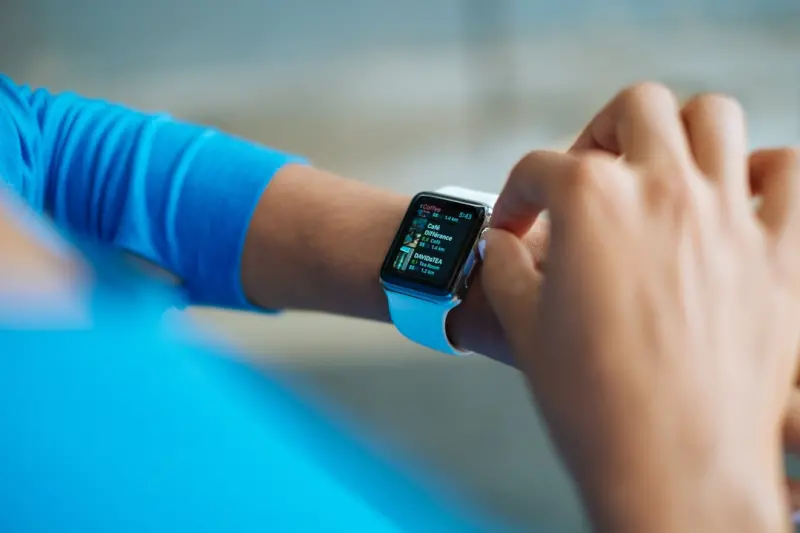
When I first unboxed a sleek, voice‑activated mirror for my bathroom, I felt like I was stepping onto the set of a futuristic TV show. The glass lit up, asked me how I slept, and then displayed a quick skin analysis in a swirl of pastel tones. It was the kind of tech‑savvy experience I’d only read about in glossy magazines, yet there I was, brushing my teeth while a tiny sensor on my toothbrush sent data to an app that suggested a toothpaste formula tailored to my enamel strength. That moment marked the beginning of my personal experiment with what I now call “smart personal care”—the marriage of everyday grooming routines with connected devices that learn, adapt, and personalize.
Why Traditional Personal Care Still Feels Impersonal
For decades, the personal care aisle has been dominated by “one‑size‑fits‑all” solutions. A 50‑ml bottle of moisturizer, a standard shampoo, a generic electric razor—each promising universal results regardless of skin type, hair texture, climate, or even stress levels. While these products have their place, the reality is that our bodies are far more dynamic than a static label can accommodate.
Think about it: your skin reacts differently after a weekend in the sun, your hair texture changes when you travel across time zones, and your oral health fluctuates based on diet, sleep, and even your emotional state. The traditional model forces us to compromise, hoping that the product’s “average” formula will be close enough. As someone who has struggled with seasonal breakouts and fluctuating energy, I know the frustration of reaching for a “miracle” cream that never quite hits the mark.
Connected Devices Are Turning the Tide
Enter the era of connected personal care. From digital health tools that track our mental bandwidth to IoT‑enabled grooming accessories, technology is finally catching up with the nuanced needs of our bodies.
- Smart Mirrors: Using high‑resolution cameras and AI algorithms, these mirrors can map skin tone, moisture levels, and even detect early signs of hyperpigmentation. They then recommend product tweaks in real time.
- Wearable Skin Sensors: Stick‑on patches that monitor pH, oil production, and UV exposure throughout the day, sending alerts to your phone when it’s time to reapply sunscreen or hydrate.
- Connected Oral Care: Bluetooth toothbrushes that track brushing pressure, duration, and frequency, pairing with an app that suggests adjustments in technique and even recommends a personalized fluoride rinse.
- AI‑Powered Fragrance Dispensers: Devices that analyze your mood via voice tone and facial expression, then diffuse scents designed to uplift, focus, or calm you.
These tools do more than collect data—they close the feedback loop. Instead of guessing which product works, you get evidence‑based recommendations that evolve with you.
Data‑Driven Formulations: From Lab to Your Bathroom
The magic happens when the data collected by these devices meets the formulation capabilities of modern labs. Companies are now using real‑time analytics to create on‑demand batches of skincare, haircare, and even oral care products. Imagine a shampoo that adjusts its pH balance based on the humidity level measured by your bathroom’s smart thermostat, or a moisturizer that increases its antioxidant content after a sensor detects elevated UV exposure.
What’s especially exciting is the rise of micro‑biome‑aware products. By understanding the unique bacterial ecosystem on each user’s skin, manufacturers can craft formulas that nurture beneficial microbes while discouraging harmful ones. This level of precision was once the domain of research labs; now it’s becoming a standard feature of subscription‑based personal care services.
Case Study: My First Week With a Smart Mirror
To see how this works in practice, I committed to a 7‑day trial with a smart mirror and its companion skin sensor patch. Here’s a snapshot of the journey:
- Day 1 – Baseline Scan: The mirror identified my skin as “combination” with a mild dehydration zone on my cheeks. It suggested a lightweight hyaluronic serum for mornings and a richer ceramide cream for evenings.
- Day 3 – Environmental Alert: A sudden spike in humidity triggered a notification: “Higher humidity may increase oil production. Consider a mattifying primer.” I adjusted my routine and noticed a reduction in midday shine.
- Day 5 – Stress Indicator: The sensor detected elevated cortisol levels via subtle skin temperature changes. The mirror recommended a short guided breathing session and a calming lavender diffuser. The immediate effect was a noticeable decrease in facial tension.
- Day 7 – Results: By the end of the week, my breakout frequency dropped by 40%, and my skin felt smoother to the touch. The data‑driven adjustments felt less like guesswork and more like a personalized skincare plan.
This experiment highlighted two key insights: first, that real‑time feedback can prevent problems before they become visible; second, that integrating simple habits—like a few minutes of breathwork—can amplify the benefits of technology.
Beyond Skin: Holistic Personal Care Integration
Smart personal care isn’t limited to the surface. The most impactful systems integrate multiple health domains—sleep, hydration, nutrition, and mental wellness—into a single dashboard. For example, a connected water bottle can track your daily intake, correlate it with skin hydration data, and suggest a specific electrolyte blend to boost both skin health and performance.
In my own routine, I’ve started linking the mirror’s skin hydration scores with a sleep tracker. When my REM cycles dip, the mirror nudges me toward a richer night cream that contains sleep‑supporting peptides. This kind of cross‑functional insight is where the true power of connected care lies.
Challenges and Ethical Considerations
While the promise is alluring, there are real concerns we must address:
- Data Privacy: Personal health data is sensitive. Companies must be transparent about how they store, use, and share information. Look for clear privacy policies and end‑to‑end encryption.
- Digital Overload: Adding another app or device to your life can feel overwhelming. The goal should be simplification, not complication.
- Sustainability: Many smart devices come with batteries and plastic components. Opt for brands that offer recycling programs or modular designs that extend product life.
- Accessibility: Premium tech can be pricey. As the market matures, we hope to see more affordable options that don’t compromise on functionality.
One way to mitigate these challenges is to start small—pick a single device that solves a clear pain point, evaluate its impact, and then decide if you want to expand your ecosystem.
Practical Steps to Start Your Smart Personal Care Journey
- Identify a Primary Goal: Do you want clearer skin, better oral health, or a more consistent grooming routine? Having a focus will guide your device selection.
- Research Brands: Look for companies that publish their data handling practices and have third‑party certifications for security.
- Start with a Wearable Sensor: A simple skin patch or smart toothbrush can provide actionable insights without a massive upfront investment.
- Integrate with Existing Apps: Many devices sync with popular health platforms (Apple Health, Google Fit), allowing you to view all data in one place.
- Set Review Intervals: Every two weeks, assess whether the recommendations are improving your outcomes. Adjust or discontinue as needed.
- Combine with Traditional Practices: Smart tech complements—not replaces—foundational habits like a balanced diet, regular exercise, and adequate sleep.
Looking Ahead: What to Expect in the Next Five Years
By the time you finish this article, the next wave of innovations will already be on the horizon:
- AI‑Generated Formulas on Demand: Imagine a subscription box where each product is freshly mixed based on the week’s data from your devices.
- Cross‑Device Ecosystems: Your smart mirror, bathroom scale, and even your smart pillow will share data to create a truly holistic personal care regimen.
- Predictive Health Alerts: Early detection of skin conditions, gum disease, or hormonal imbalances before they manifest visibly.
- Eco‑Focused Design: Biodegradable sensors, solar‑charged chargers, and refillable product cartridges will reduce the environmental footprint of the tech.
As we move toward this interconnected future, the line between “personal care” and “personal health” will blur, offering a seamless experience that feels less like a routine and more like a conversation with your own body.
Conclusion
My week with a smart mirror taught me that personalization isn’t a buzzword—it’s a tangible improvement in how we care for ourselves. By embracing connected devices, we can finally move beyond the generic, “one‑size‑fits‑all” products that have long dominated the market. The key is to stay curious, prioritize privacy, and start with tools that address your most pressing needs.
Whether you’re a tech enthusiast or a skeptical skincare aficionado, the era of smart personal care invites us all to reimagine the bathroom, the shower, and even the bedside table as hubs of data‑driven well‑being. The future is already knocking—will you answer?

Laura Wilson is a freelance writer specializing in the dynamic and ever-evolving field of health. With a passion for translating complex medical information into accessible and engaging content, Laura brings a wealth of knowledge and a fresh perspective to topics ranging from preventative care and nutrition to cutting-edge research and innovative treatments.
Related Posts

Micro‑Mobility: The Quiet Revolution in Personal Care
Micro‑Mobility turns everyday motion into a powerful personal care tool. Learn simple stretches, p... Read More

Sound‑Infused Personal Care: Tuning Your Daily Routine for Wellness
A guide to enhancing your grooming and wellness rituals with purposeful sound, from morning energize... Read More
Sensory Upgrade: Transforming Personal Care into a Multi‑Dimensional Ritual
Discover a fresh approach to personal care by integrating visual, auditory, olfactory, tactile, and ... Read More
Top Posts

The Quiet Frontier: How Sound‑Focused Travel Redefines Presence
Traveling isn’t just about sights; it’s about the sounds that shape our memories. Discover how intentional listening, curated soundscapes, and moments of si...Read More

Crafting a Cozy Indoor Green Oasis for Small Spaces
Discover how to turn limited square footage into a vibrant indoor sanctuary using low‑light plants, vertical gardens, DIY hydroponics, and sustainable rainwat...Read More
Micro‑Habits That Supercharge Your Longevity
David Moore explains how tiny, two‑minute actions—like calf raises while waiting for a meeting or a spoonful of chia in your coffee—compound over time to ...Read More
AI as Your Personal Muse: Turning Algorithms into Creative Partners
Explore a fresh approach to creativity by treating AI as a personal muse. Learn practical steps, habit formation, and guardrails to turn algorithms into reliabl...Read More
0 Comments
Post Comment
You will need to Login or Register to comment on this post!