
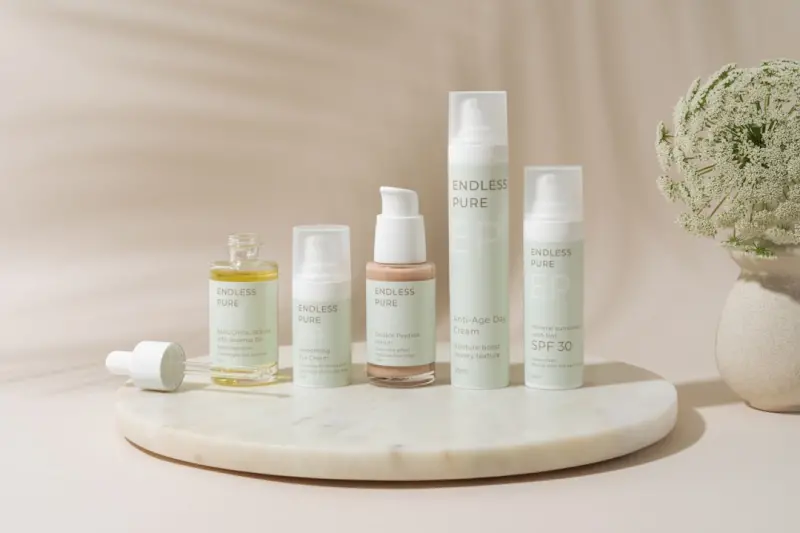
When I first stepped into a boutique shop that marketed “probiotic skin‑care,” I felt like I’d entered a sci‑fi lab rather than a spa. The bottles glittered with promises of “balanced microbiomes” and “living cultures,” yet the language was oddly familiar: a call to nurture, to respect, to listen. That moment sparked a personal experiment—what if the core of our daily personal care routine shifted from surface‑level aesthetics to a deeper partnership with the microscopic communities that live on and in us?
Why the Microbiome Matters More Than You Think
Our skin, gut, and even oral cavity host trillions of bacteria, fungi, and viruses that perform essential jobs—regulating moisture, defending against pathogens, and communicating with our immune system. Recent scientific breakthroughs have shown that disruptions to these ecosystems can manifest as acne, eczema, rosacea, and even mood fluctuations. While most personal‑care advice still focuses on “cleanse, tone, moisturize,” a microbiome‑centric approach asks a different question: how can we support the living organisms that already call our bodies home?
Think of your skin as a bustling city. The “streets” are your pores, the “buildings” are the layers of keratin, and the “citizens” are the microbes. If you flood the streets with harsh chemicals (think high‑pH soaps, alcohol‑laden toners), you’re essentially staging a demolition that leaves the city in ruins. In the aftermath, opportunistic species move in, and the once‑vibrant ecosystem becomes a wasteland of irritation and inflammation.
Three Pillars of a Microbiome‑Friendly Personal Care Routine
- Gentle Cleansing – Opt for low‑pH, sulfate‑free cleansers that respect the skin’s natural acid mantle. Look for ingredients like lactobacillus ferment or prebiotic fibers that feed good bacteria instead of wiping them away.
- Barrier‑Supporting Moisturizers – Choose products rich in ceramides, niacinamide, and humectants such as glycerin. These create a protective “roof” that keeps moisture in and harmful microbes out.
- Microbial‑Boosting Add‑Ons – Incorporate serums or masks that contain live cultures (e.g., Bacillus coagulans) or post‑biotics like lactate and short‑chain fatty acids. They act as “pro‑biotic food” for the skin’s good bacteria.
Implementing these pillars doesn’t require a wholesale overhaul; it’s about making mindful swaps. For instance, replace your nightly foaming cleanser with a cream‑based alternative that maintains a pH around 5.5. Switch from a heavy, fragrance‑laden night cream to a light, oil‑free gel that includes prebiotic oat extract. Small, consistent changes compound over weeks, allowing the microbiome to regain equilibrium.
From Theory to Practice: My 30‑Day Microbiome Challenge
To ground these ideas, I launched a personal 30‑day challenge that combined product experimentation with habit tracking. The goal was simple: observe how my skin responded when I prioritized microbial health over quick‑fix aesthetics.
- Day 1‑7: Baseline and Detox – I stopped using any product with alcohol, synthetic fragrance, or parabens. My cleanser was a gentle oat‑based milk cleanser (pH 5.2). I logged my skin’s texture, redness, and any breakouts in a simple journal.
- Day 8‑15: Introduce Pre‑biotics – Added a serum containing inulin and beta‑glucan. I also began using a probiotic‑rich face mist twice daily. The mist felt refreshing without the sting of alcohol.
- Day 16‑23: Boost with Post‑biotics – Switched my moisturizer to a ceramide‑rich balm that listed “lactate” as a key ingredient. This gave my skin a subtle glow and reduced the tight feeling that often follows cleansing.
- Day 24‑30: Reflect and Adjust – I compared my journal entries against the first week. The most notable changes were a reduction in occasional redness around my nose and a smoother overall texture. I also felt less inclined to reach for a harsh spot‑treatment, trusting my skin’s natural defenses instead.
The challenge reinforced two truths: first, the microbiome is resilient when given the right conditions, and second, personal care can be a collaborative ritual rather than a battle of control.
Tools to Keep You Aligned
While intuition guides many of us, a few practical tools can help maintain a microbiome‑friendly routine:
- pH Test Strips – A quick dip on the back of your hand after cleansing can confirm you’re not disrupting your skin’s acidity.
- Ingredient Cheat Sheets – Keep a list of “friendly” (e.g., lactobacillus ferment, prebiotic barley) and “enemy” (e.g., sodium lauryl sulfate, parabens) components.
- Journaling – Tracking sensations, breakouts, and mood can reveal patterns you might otherwise miss. For a deeper dive on how writing can amplify personal care, see Ink & Intention: How Journaling Elevates Personal Care.
Integrating Micro‑Movement for Micro‑Biome Support
Physical movement isn’t just about cardio; micro‑movements—tiny stretches, facial exercises, and gentle massages—stimulate circulation, delivering oxygen and nutrients to skin cells. This enhanced blood flow also helps transport beneficial microbes throughout the epidermal layers. For a guide on turning everyday moments into health‑boosting habits, check out Micro‑Movement: Turning Everyday Moments into a Health‑Boosting Habit. A simple 5‑minute facial massage with a probiotic oil before bed can be a game‑changer, encouraging lymphatic drainage and supporting microbial balance.
The Sensory Layering Connection
While my focus is microbiome health, I can’t ignore the role of the senses. The Sensory Layering Method reminds us that texture, scent, and temperature shape how we experience care. By choosing products that feel light, smell mild, and maintain a cool temperature, we reduce stress signals that can disrupt the skin‑gut axis. A calming, unscented cream paired with a cool glass of water after a shower creates a multisensory loop that tells your body, “We’re in a safe zone,” reinforcing microbial harmony.
Eco‑Conscious Personal Care: Aligning Planet and Microbiome
Our personal habits echo into the environment. Plastic‑free packaging, biodegradable formulas, and responsibly sourced ingredients not only reduce landfill waste but also limit exposure to synthetic chemicals that can leach into waterways, ultimately affecting the broader ecological microbiome. Choosing a refillable bottle of probiotic facial mist, for example, supports both your skin and the planet.
Common Myths Debunked
- Myth: “Probiotic skincare is a fad.” – The science behind microbiome research has been evolving for decades. The surge in consumer products reflects a convergence of rigorous studies and formulation technology.
- Myth: “You can’t have oily skin and a healthy microbiome.” – Oily skin often results from a compromised barrier. Supporting the microbiome with gentle cleansers and barrier‑repair moisturizers can actually regulate sebum production.
- Myth: “All bacteria are bad.” – The vast majority of skin microbes are beneficial, acting as a living shield against harmful invaders.
Putting It All Together: A Sample Daily Routine
- Morning
- Wash with a low‑pH oat milk cleanser.
- Pat dry and apply a prebiotic serum (containing inulin).
- Seal with a ceramide‑rich moisturizer infused with lactate.
- Finish with a probiotic mist for a refreshing boost.
- Afternoon
- Take a 3‑minute micro‑movement break: gentle facial stretches and neck rolls.
- Hydrate with filtered water; consider adding a splash of apple cider vinegar (diluted) for internal prebiotic support.
- Evening
- Double‑cleanse if you wore makeup: first with a micellar water (free of alcohol), then with the oat cleanser.
- Apply a post‑biotic night serum (lactate & short‑chain fatty acids).
- Finish with a light, fragrance‑free balm.
Remember, consistency trumps perfection. If you miss a day, simply resume the routine—your microbiome is forgiving, not fickle.
Looking Ahead: The Future of Personal Care
As research deepens, we can expect more personalized formulations based on individual microbial profiles, much like DNA‑based skincare that’s already emerging. Imagine scanning your skin’s microbiome at a boutique and receiving a custom blend of pre‑ and post‑biotics, tailored to your unique ecosystem. This isn’t far‑off; it’s the next logical step in the evolution of personal care.
For now, the power lies in the choices we make daily. By shifting our mindset from “cleaning away” to “cultivating together,” we turn personal care into a collaborative, compassionate practice—one that honors the invisible allies living on our skin.

Jessica Gills is a freelance writer carving a niche for herself by empowering others through her words. With a focus on careers, self-development, and business, she helps readers navigate the complexities of the modern professional landscape.
Related Posts
Smart Personal Care: Tech, Microbiome, and Zero‑Waste in One Routine
Discover a fresh, data‑driven approach to personal care that blends AI‑powered gadgets, skin‑f... Read More

How Biofeedback is Redefining Personal Care
Biofeedback devices now let you read your skin’s signals in real time, turning guesswork into a pr... Read More

Hybrid Work, Hybrid Self: Crafting a Personal Care Routine That Works Anywhere
Discover a practical, adaptable personal care system for the hybrid work lifestyle—quick micro‑z... Read More
Top Posts

Internal Networking: Turning Relationships into Career Capital
Learn a tactical playbook for building authentic internal relationships that become powerful career capital, from micro‑interactions to reverse mentorship....Read More

Why Employees Should Design Their Own Role Playbooks
A role playbook lets employees co‑create their job narrative, aligning personal purpose with company goals. This living document drives engagement, faster onb...Read More

AI‑Powered Decision Intelligence: Turning Data Into Strategic Compass
Learn how to build a decision‑intelligence engine that fuses causal modeling, real‑time feedback, and ethical safeguards, turning everyday data into a strat...Read More

Beyond Burnout: How Playful Digital Spaces Rewire Our Brain for Calm
A deep dive into how playful digital spaces—interactive zones, adaptive lighting, and gamified challenges—can transform workplace mental health, reduce burn...Read More
0 Comments
Post Comment
You will need to Login or Register to comment on this post!