
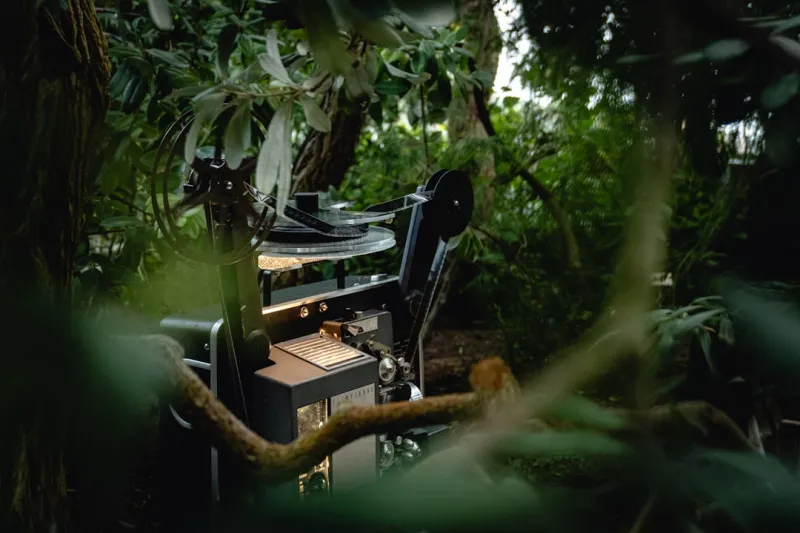
Why the Traditional Office Is Losing Its Grip
When I first left the cubicle farm, I thought I was chasing a fleeting fantasy, but the reality of modern employment quickly proved me wrong; today, companies are discovering that the old nine‑to‑five grind is being replaced by flexible, purpose‑driven work environments that prioritize autonomy and wellbeing over rigid schedules. Employees now crave spaces that inspire creativity and reduce burnout, and the evidence is everywhere—from soaring productivity metrics to lower turnover rates—showing that when workers feel a genuine connection to their surroundings, they deliver their best work. This shift isn’t just a passing trend; it’s a fundamental re‑engineering of how we define “work,” and it’s reshaping everything from hiring strategies to performance evaluations.
The Garden Desk Phenomenon: A Personal Journey
My own backyard transformed from a neglected patch of grass into a thriving productivity hub when I installed a simple garden desk, and that experience taught me that the line between home and office can be both seamless and energizing, especially when sunlight and fresh air replace fluorescent lighting. I spent months experimenting with ergonomic chairs, portable power strips, and weather‑proof materials, eventually crafting a space that feels less like a workstation and more like a personal sanctuary, where ideas flow as freely as the breeze. The result was a dramatic boost in focus, creativity, and overall job satisfaction—proof that the environment we choose can be a decisive factor in career success.
From Cubicle to Garden: How Outdoor Desks Are Redefining Employment
Companies that recognize the power of outdoor workspaces are gaining a competitive edge, offering employees the option to trade cramped desks for open skies, and this is not merely a perk but a strategic investment in human capital; research shows that workers who spend time outdoors experience lower stress hormones and heightened cognitive function, translating into measurable gains in output. By integrating garden desks into their benefits packages, forward‑thinking employers are turning a simple piece of furniture into a talent magnet, attracting top performers who value flexibility and holistic wellbeing. The ripple effect extends beyond individual performance, fostering a culture of trust and empowerment that reshapes the entire employee experience.
Key Benefits That Make Outdoor Desks a Game‑Changer
First and foremost, natural light is a proven catalyst for mood regulation, and when you position a workstation beneath a canopy of trees, you’re essentially tapping into a free, renewable source of mental clarity that traditional office lighting can never replicate. Second, the ambient sounds of birdsong and rustling leaves provide a subtle auditory backdrop that enhances focus without the constant hum of office chatter, creating an environment where deep work thrives. Finally, the physical act of stepping outside—whether to stretch, water a plant, or simply breathe—breaks the monotony of sedentary routines, reducing the risk of musculoskeletal issues and reinforcing the body‑mind connection essential for sustained productivity.
Implementing Outdoor Workspaces: Practical Steps for Employers
To transition from theory to practice, organizations should start by conducting a site assessment, identifying safe, accessible outdoor areas that can be equipped with Wi‑Fi boosters, weather‑proof power sources, and ergonomic furniture that meets the same standards as indoor workstations; this ensures that employees can maintain the same level of performance regardless of location. Next, develop clear usage policies that address privacy, security, and scheduling, allowing teams to reserve garden desks during peak sunlight hours while respecting shared resources, and complement these guidelines with training on ergonomics and outdoor safety. Finally, promote the new spaces through internal communication campaigns, highlighting success stories—like my own transformation in the post From Cubicle to Garden: How Outdoor Desks Are Redefining Employment—to inspire adoption and embed the outdoor experience into the company’s cultural DNA.
The Employee Experience Revolution: From Perk to Core Strategy
When employees view outdoor workspaces as an integral part of their daily routine rather than an occasional novelty, the impact reverberates across recruitment, retention, and brand perception, turning what once was a fringe benefit into a core component of the employee value proposition. Job candidates now ask about flexible work environments and wellness amenities during interviews, and organizations that can point to a vibrant garden desk program can differentiate themselves in a crowded talent market, reducing time‑to‑hire and improving offer acceptance rates. Moreover, existing staff members report higher engagement scores, lower absenteeism, and a stronger sense of belonging when they have the autonomy to choose where they work each day.
Future Outlook: Why Outdoor Workspaces Are the Next Big Employment Trend
As climate awareness grows and urban spaces become denser, the demand for sustainable, health‑focused work environments will only intensify, positioning outdoor desks as a linchpin in the evolution of modern employment; companies that act now will set the standards for the next generation of workplaces, blending ecological responsibility with employee empowerment. The integration of smart technology—such as solar‑powered chargers, IoT‑enabled climate controls, and real‑time air quality monitoring—will further enhance the functionality of garden desks, making them not just a pleasant alternative but a fully optimized work solution. In this emerging landscape, the organizations that invest in nature‑centric workspaces will reap the rewards of higher innovation rates, stronger employer brands, and a resilient workforce prepared for whatever challenges lie ahead.
Practical Tips for Workers Who Want Their Own Garden Desk
If you’re ready to take the plunge and create your own outdoor office, start by selecting a location that offers shade, good drainage, and proximity to power outlets or a reliable solar setup; a simple pergola with climbing vines can provide both aesthetics and protection from the elements. Invest in ergonomic furniture designed for outdoor use—think adjustable chairs, weather‑proof desks, and supportive cushions—to maintain proper posture and prevent strain during long sessions. Finally, curate your environment with personal touches: a small herb garden for fresh breaks, a portable speaker for ambient music, and a set of waterproof notebooks for brainstorming; these details transform a functional space into a place you genuinely look forward to spending time in, echoing the insights I shared in Why Outdoor Workspaces Are Changing the Way We Work.
Conclusion: Embracing the Outdoor Evolution of Employment
In the end, the shift toward garden desks and outdoor workspaces reflects a broader cultural movement that values balance, health, and authenticity, and as employees continue to demand environments that nurture both mind and body, employers who adapt will thrive in a competitive landscape. By reimagining the office as a fluid, adaptable concept—one that can exist under a tree, beside a pond, or on a balcony—we unlock untapped potential, fostering creativity, satisfaction, and long‑term success for individuals and organizations alike. The future of work is already blooming in our backyards; it’s up to us to cultivate it.

Jimmy Damon loves to right on a large scale of topics with all things Canadian as this Montreal die hard loves hockey. fishing and sports.
Related Posts
The Green Employment Revolution: How My Garden Desk is Redefining Work
Rose DesRochers shares her journey from a corporate cubicle to a thriving garden desk, showing how g... Read More

Flex‑First Employment: Turning Agility into a Sustainable Business Edge
Flex‑first employment places flexibility at the heart of work, redesigning roles, outcome metrics,... Read More
Portfolio Careers: A Flexible Framework for Employment
Portfolio careers combine core roles, project work, consulting, and personal ventures into a single ... Read More
Top Posts
Reimagining Personal Care: Tech, Ritual, and Sustainability
A deep dive into the evolving world of personal care, blending smart wearables, micro‑habits, sensory cues, sustainable formulations, and future trends for a ...Read More

Why a Digital Detox Is the New Health Frontier
A deep dive into the hidden costs of constant connectivity and a step‑by‑step guide to a sustainable digital detox, showing how unplugging can enhance sleep...Read More

Beyond the Airport: Crafting Meaningful Micro‑Journeys in a Connected World
Micro‑journeys offer a fresh travel mindset that prioritizes depth, sustainability, and personal growth through short, intentional trips. Learn how to design,...Read More

Playful Resilience: How Adult Games Rewire Stress and Boost Mental Health
This article explores the science behind adult play, offering practical steps to embed games and playful rituals into daily routines for improved mental health,...Read More
0 Comments
Post Comment
You will need to Login or Register to comment on this post!