
Smart Home Comfort Hacks: Simple Changes for a Cozier, More Efficient Space
When I first moved into my downtown loft, the open‑plan layout felt like an echo chamber—too much space, not enough warmth. Over the past few years I’ve turned that echo into a comfortable, energy‑smart sanctuary by focusing on the little things that add up. In this post I’ll walk you through the practical, low‑cost tweaks that any homeowner can adopt to make a home feel more inviting while also trimming the utility bill. These aren’t flashy tech upgrades that require a massive budget; they’re everyday adjustments that anyone can implement, regardless of square footage or décor style.
1. Layered Lighting for Mood and Efficiency
Lighting isn’t just about illumination—it shapes how we experience every room. The trick is to layer three types of light: ambient, task, and accent. Here’s how to get it right without installing a smart‑home system from scratch.
- Ambient lighting provides overall illumination. Replace old, single‑filament bulbs with LED equivalents that mimic warm white (2700‑3000 K). The energy savings are immediate—LEDs use up to 80 % less power and last 25‑50 times longer.
- Task lighting focuses on specific activities like reading, cooking, or working from home. Position a dimmable desk lamp or under‑cabinet light where you need it most. A simple low‑tech calming nook approach—using a floor lamp with a soft shade—can double as a visual anchor and a productivity booster.
- Accent lighting adds depth and personality. Use LED strip lights behind a TV or inside shelving units to highlight artwork or books. These strips can be powered via a basic plug‑in transformer, eliminating the need for complex wiring.
By turning lighting on and off in zones rather than the whole house, you’ll notice an instant dip in electricity use. Pair this with motion‑sensor nightlights in hallways to keep the darkness from becoming a safety hazard while still conserving power.
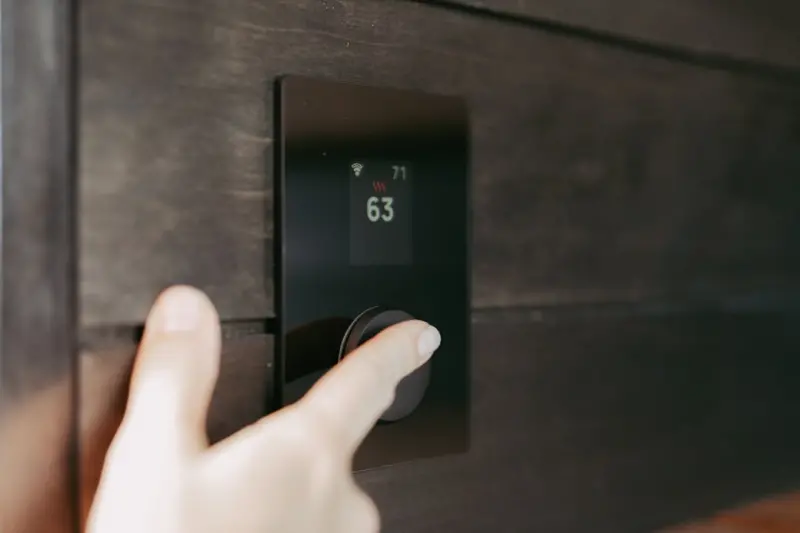
2. Optimize Your Thermostat Without a Smart Hub
Many think that a programmable thermostat is the only way to manage heating and cooling efficiently. While that’s true for some, there’s a cheaper route that still delivers results.
- Seasonal manual adjustments: In winter, set your thermostat 1‑2 °F lower when you’re out or asleep; in summer, raise it 2‑3 °F during those same periods. Even a modest change can cut heating and cooling costs by up to 10 %.
- Ceiling fan direction: In summer, set fans to rotate clockwise (pushing air down) for a cooling breeze; in winter, reverse them counter‑clockwise to pull warm air down from the ceiling.
- Window treatments: Heavy curtains on the east side block morning sun in winter, while reflective blinds reduce summer heat gain. Combine these with a simple door draft stopper to prevent conditioned air from escaping.
These analog tricks can be as effective as a digital thermostat, especially when paired with the right insulation. Check for gaps around windows and doors and seal them with weather‑stripping—another quick win for comfort and cost.
3. Harness the Power of Natural Ventilation
When the weather permits, swapping out mechanical cooling for fresh air can dramatically improve indoor air quality. Here’s a step‑by‑step guide to creating a cross‑breathable flow without compromising security.
- Identify opposing windows or doors that can be opened simultaneously. This establishes a natural wind tunnel.
- Use vent‑assist fans in one opening to draw air in, while the opposite opening serves as an exhaust. Even a small 40‑mm fan placed in a window frame can double airflow.
- Timing matters: Early mornings and late evenings usually have the coolest outdoor temperatures. Open windows during these windows (pun intended) to flush out heat built up during the day.
Natural ventilation also reduces the need for air‑conditioner cycles, extending the life of your HVAC system and cutting down on maintenance costs.
4. Smart Storage Solutions for a Clutter‑Free Feel
Clutter is the invisible antagonist of comfort. The more items you have strewn about, the harder it is to relax. Below are three storage hacks that keep your space tidy without sacrificing style.
- Vertical shelving: Take advantage of wall height by installing floating shelves that go up to the ceiling. Store less‑frequently used items in decorative baskets on the top shelves.
- Under‑furniture drawers: Bed frames, sofas, and coffee tables often have hidden space underneath. Add roll‑out drawers or fabric bins to keep blankets, magazines, or kids’ toys out of sight.
- Multi‑purpose furniture: Look for ottomans or benches with built‑in storage. They serve as seating while also providing a concealed place for everyday essentials.
By creating designated zones for objects, you free up visual space, which in turn makes rooms feel larger and more inviting.
5. Bring the Outdoors In—Without a Full‑Blown Garden
If you’re not ready for a backyard overhaul (or you live in a high‑rise), you can still reap the benefits of nature. Incorporating greenery improves air quality, reduces stress, and adds a splash of color.
Start small with a modular garden strategy that works on any balcony or windowsill. Choose a few low‑maintenance plants like succulents, pothos, or spider plants. Use stackable trays or wall‑mounted pockets to maximize vertical space. The key is to keep the system simple—no need for hydroponic kits unless you’re a hobbyist.
For those with a bit more room, a vertical herb garden on a kitchen wall not only looks great but also supplies fresh flavor for cooking. Pair it with a small, portable grow‑light if natural sunlight is limited.
6. Acoustic Tweaks for a Quieter Home
Noise is a hidden stressor, especially if you work from home or have a bustling family. Simple acoustic modifications can transform a chaotic environment into a tranquil retreat.
- Rugs and curtains: Thick area rugs absorb footfall noise, while heavy drapes dampen street sounds. Opt for fabrics with a higher thread count for better sound absorption.
- Furniture placement: Position bookshelves or upholstered furniture against shared walls to act as a buffer.
- DIY acoustic panels: Frame canvas or fabric over a wooden board and fill it with recycled insulation material. Hang these panels where you need the most sound reduction, like behind a home office desk.
These fixes are low‑cost and can be customized to match your interior décor, letting you control the acoustic environment without resorting to expensive commercial solutions.
7. Energy‑Saving Kitchen Hacks
The kitchen is often the most energy‑intensive room. Small adjustments can make a big difference.
- Use the right pot size: Matching the pot diameter to the burner ensures efficient heat transfer and reduces cooking time.
- Cover pans: A lid can cut cooking time by up to 30 % and keep moisture in, resulting in tastier dishes.
- Batch cooking: Cook larger portions and store leftovers. This reduces the number of times you heat the oven or stovetop.
- Maintain appliances: Clean the refrigerator coils and replace the dishwasher’s filter regularly. A well‑maintained appliance runs more efficiently.
Couple these habits with an energy‑efficient dishwasher (or hand‑wash with a basin instead of running a half‑filled machine) to shave off a noticeable chunk of your monthly electricity bill.
8. Re‑think Your Entryway
The entryway sets the tone for the rest of the home. A chaotic foyer can increase stress the moment you step inside. Here’s how to transform it into a functional, welcoming zone.
- Dedicated shoe storage: Use a narrow bench with a shoe rack underneath. It provides a place to sit while lacing shoes and keeps the floor clear.
- Hooks and hangers: Install a wall‑mounted rack for coats, bags, and keys. Keeping these items off surfaces reduces visual clutter.
- Mini‑organizer tray: A shallow tray on a console table holds mail and small accessories, preventing piles from forming.
By designing a purposeful entry, you reduce the mental load of searching for items and start each day with a sense of order.
9. Low‑Tech Comfort Upgrades
Sometimes the best upgrades don’t require a plug. Think about the tactile experiences that make a space feel cozy.
- Textiles: Swap out hard‑edge cushions for plush, oversized throws. Choose natural fibers like cotton or linen for breathability.
- Scents: A simple soy candle or a bowl of dried lavender can create an inviting aroma without the need for electronic diffusers.
- Lighting ambiance: Use a dimmer switch for your main light fixtures. Even a manual pull‑chain dimmer adds a level of control that can instantly shift a room’s mood.
These low‑tech touches complement the earlier lighting strategies, giving you layered control over both illumination and atmosphere.
10. Maintenance Routines that Keep Comfort Consistent
All the hacks in the world won’t help if they’re undone by neglect. Set a weekly or monthly schedule to keep your home running smoothly.
- Weekly visual scan: Walk through each room and note any out‑of‑place items, flickering lights, or drafty spots.
- Monthly deep clean: Dust vents, clean window tracks, and vacuum under furniture. This maintains air quality and ensures your heating/cooling system works efficiently.
- Quarterly check‑ups: Test smoke detectors, replace HVAC filters, and inspect weather‑stripping around doors.
By turning maintenance into a habit, you protect your investments and sustain the comfort enhancements you’ve worked hard to implement.
Putting It All Together
Creating a cozy, efficient home isn’t about overhauling everything at once. It’s a series of intentional, manageable changes that accumulate into a noticeable improvement in daily life. Start with one or two of the ideas above—perhaps layering your lighting and adding a few storage solutions—then expand as you see the benefits. The goal is a space that welcomes you, supports your routines, and respects both your time and your wallet.
Feel free to experiment, tweak, and share your own comfort hacks in the comments. Your feedback could inspire the next round of low‑cost, high‑impact home upgrades for our community of readers.

Brad Hays is a freelance writer known for his versatile skill set and ability to craft compelling content across a wide range of industries.
Related Posts

Smart Lighting Hacks to Boost Home Mood and Focus
Learn how to use layered lighting, smart bulbs, strategic furniture flow, and simple acoustic upgrad... Read More
Quiet Corners and Clever Hacks: Transform Your Home into a Productivity Oasis
A step‑by‑step guide to turning everyday corners into quiet, efficient, and energizing zones, us... Read More
Transform Your Home Into a Productivity Powerhouse
Learn how to map zones, streamline tech, and embed micro‑breaks so your home becomes a powerful al... Read More
Top Posts

Playful Curiosity: A Fresh Path to Mental Resilience
Discover practical, low‑effort habits that use playful curiosity to strengthen mental health, enhance innovation, and improve workplace wellbeing....Read More

Beyond the Desk: Unconventional Ways to Boost Your Immune Resilience
Explore fresh, actionable health habits that go beyond typical wellness advice, focusing on air quality, micro‑movement, hydration, light exposure, sleep arch...Read More

How AI Can Champion Inclusive Product Design
AI isn’t just a productivity booster; it can be a powerful ally in creating inclusive products. Learn practical ways to use AI for bias detection, diverse hir...Read More

Beyond Clean: How DNA-Driven Haircare is Rewriting Your Routine
Discover the emerging world of DNA‑driven haircare, where genetic testing informs bespoke formulas that align with your unique scalp and strand needs, usherin...Read More
0 Comments
Post Comment
You will need to Login or Register to comment on this post!