

When I first noticed my skin feeling oddly tight after a morning shower, I didn’t blame the weather or a new soap—I blamed the very rhythm of my day. The realization hit me like a splash of cold water: my personal care routine was out of sync with my body’s internal clock. This misalignment isn’t just a minor inconvenience; it can subtly erode our skin’s barrier, disrupt hormone balance, and even affect mood. In this post, I’m diving deep into the emerging science of chronobiology in personal care, and how we can harness our circadian rhythm to make every brush, rinse, and moisturizer work smarter, not harder.
Why Timing Matters More Than You Think
Our bodies operate on a 24‑hour cycle governed by the suprachiasmatic nucleus—a tiny brain region that keeps time like a master conductor. Hormones such as cortisol, melatonin, and growth hormone surge and dip at predictable intervals, influencing everything from skin cell turnover to sweat production. When we apply a moisturizer at 9 am but our skin’s natural barrier repair peaks at night, we’re essentially trying to water a plant when it’s already saturated. Over time, this mismatch can lead to dullness, breakouts, or even premature aging.
Mapping Your Personal Care Clock
Before you overhaul your routine, take a few days to observe how your skin and body feel at different times. Below is a simple worksheet you can print out or jot down on your phone:
- Morning (6 am‑12 pm): Notice oiliness, dryness, or any “tight” sensations after cleansing.
- Afternoon (12 pm‑6 pm): Pay attention to any mid‑day breakouts or the need for a quick freshen‑up.
- Evening (6 pm‑10 pm): Track how your skin feels after your last wash—does it look more luminous or fatigued?
- Night (10 pm‑2 am): Observe the condition of your skin upon waking—does it feel hydrated, or is there visible flakiness?
Jot down the patterns. You’ll start seeing a rhythm that can inform when to cleanse, exfoliate, moisturize, or apply targeted treatments.
The Science of Skin Repair Cycles
Research shows that the skin’s DNA repair mechanisms and collagen synthesis are at their highest during the deep‑sleep phase, roughly between 2 am and 5 am. This is why dermatologists often recommend applying retinoids or peptide serums at night: the active ingredients have a better chance to be absorbed when the skin is in “repair mode.” Conversely, antioxidants like vitamin C are most effective in the morning, shielding the skin from UV‑induced free radicals that accumulate throughout the day.
Chrono‑Tailored Cleansing: Less Can Be More
Most of us start the day with a foaming cleanser that leaves a squeaky‑clean feeling. While that sensation can be satisfying, it often strips away the natural lipid barrier, especially if you’re cleaning during the cortisol surge (around 8 am). Consider switching to a gentle, pH‑balanced cleanser or even a micellar water during this window. Save a deeper, exfoliating cleanse for the evening, when the skin is primed to shed dead cells without compromising its barrier.
Hydration Strategies Aligned with Hormonal Peaks
Cortisol, the “stress hormone,” peaks shortly after waking and can increase transepidermal water loss (TEWL). To counteract this, layer a lightweight hydrating serum—think hyaluronic acid—right after cleansing in the morning. Follow with a moisturizer that contains ceramides, which help lock in that moisture. At night, when melatonin rises and the skin’s permeability improves, opt for richer emollients like shea butter or squalane to seal in the day’s nutrients.
Targeted Treatments: Timing Is Everything
Here’s a quick cheat‑sheet for when to apply common actives:
- Vitamin C Serum: Morning, before sunscreen.
- Retinoids (Retinol, Tretinoin): Evening, after a short waiting period post‑cleanse.
- AHAs/BHAs (Exfoliating Acids): 2–3 times a week, preferably in the evening.
- Peptide Complexes: Night, as they support collagen synthesis during sleep.
By aligning these actives with their optimal windows, you’re essentially giving them a VIP pass to your skin’s natural repair crew.
Integrating Wearable Tech for Real‑Time Feedback
Wearable biofeedback devices are no longer just for fitness enthusiasts. Modern smart bands can track skin temperature, hydration levels, and even stress markers like heart rate variability (HRV). Pair these data points with your personal care calendar, and you’ll have a dynamic, data‑driven routine that adapts to nights of poor sleep or days of heightened stress. For a deeper dive into how technology can reshape daily habits, check out this piece on AI-driven personal care.
Creating a “Chrono‑Sanctuary” in Your Bathroom
If you’re a fan of turning routine into ritual, think about setting the ambience to match the time of day. In the morning, bright, cool lighting can reinforce alertness, while a soft amber hue in the evening signals your body to unwind. Adding a subtle scent—citrus for mornings, lavender for nights—can further cue your nervous system. This approach dovetails nicely with the concepts explored in sensory rituals, but with a chrono‑centric twist.
Practical Tips to Get Started
Here are five actionable steps you can implement this week:
- Audit Your Routine: Use the worksheet above to identify mismatches.
- Swap Your Cleanser: Choose a gentle formula for mornings and a deeper cleanser for evenings.
- Re‑Schedule Actives: Move retinoids to night, vitamin C to morning.
- Introduce a Night‑Time Moisturizer: Opt for richer textures after 9 pm.
- Leverage Wearables: Start tracking skin hydration or HRV to fine‑tune your regimen.
The Bigger Picture: Sustainability Meets Chronobiology
When you synchronize your routine with your body’s natural rhythms, you often end up using fewer products—less water, fewer chemicals, and a smaller carbon footprint. It’s a win‑win: healthier skin and a healthier planet. In the long run, this mindful timing can reduce product waste and the need for frequent repurchasing, aligning personal care with broader sustainability goals.
Conclusion: Your Body Is the Best Scheduler
We spend billions on beauty tech and skincare innovations, yet the most powerful tool we have is our own biology. By listening to the subtle cues of our circadian clock, we can transform a mundane routine into a precision‑engineered self‑care regimen. The next time you reach for that nighttime serum, ask yourself: “Is this the right moment for my skin to truly benefit?” The answer, more often than not, will be a resounding “yes” when you let biology lead the way.

Shawn DesRochers is a certified Microsoft technician and Programmer with 30+ year's experience. He has written many reviews on computer related products, software, and SEO related topics. When he's not writing reviews he can be found at one of the Oldest Directories Online Blogging Fusion Business Directory which he is the CEO of.
Related Posts

Wearable Skin Sensors: A New Personal Care Revolution
Wearable skin sensors provide real‑time feedback on hydration, UV exposure, and pH balance, enabli... Read More

The Sensory Layering Method: A Fresh Take on Personal Care
Learn how to transform everyday grooming into a multi‑sensory experience using the Sensory Layerin... Read More

Designing a Bathroom Sanctuary: Mindful Rituals for Everyday Personal Care
Turn your bathroom from a functional space into a daily sanctuary using light, scent, sound, texture... Read More
Top Posts

Finding Stillness in the City: A Sensory Approach to Mental Wellness
Learn how to use grounding, breath, soundscapes, and playful curiosity to transform city stress into a resilient, mindful mental‑health practice....Read More

From Micro‑Shadowing to Skill Swaps: A Fresh Playbook for Career Agility
Explore a fresh playbook that leverages micro‑shadowing, skill‑swap programs, and flexible work arrangements to turn everyday tasks into powerful career acc...Read More
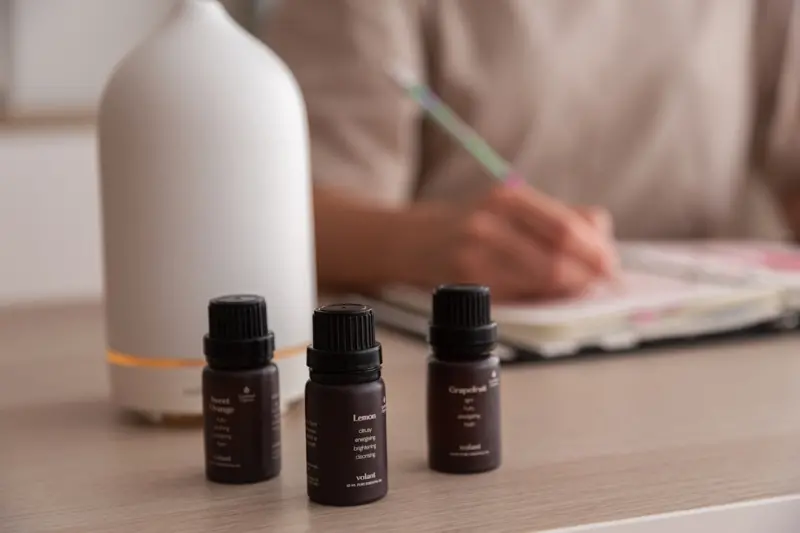
Scent‑Powered Productivity: How Aroma Shapes Your Work‑From‑Home Rhythm
Explore a practical, scent‑centric personal care routine that leverages aromatherapy to enhance focus, lower stress, and improve productivity for remote worke...Read More

When AI Becomes Your Strategic Co‑Pilot: Navigating Uncertainty with Real‑Time Insight
Learn how an AI strategic co‑pilot can augment decision‑making, offering real‑time insights, scenario planning, and ethical guardrails, while boosting bot...Read More
0 Comments
Post Comment
You will need to Login or Register to comment on this post!