
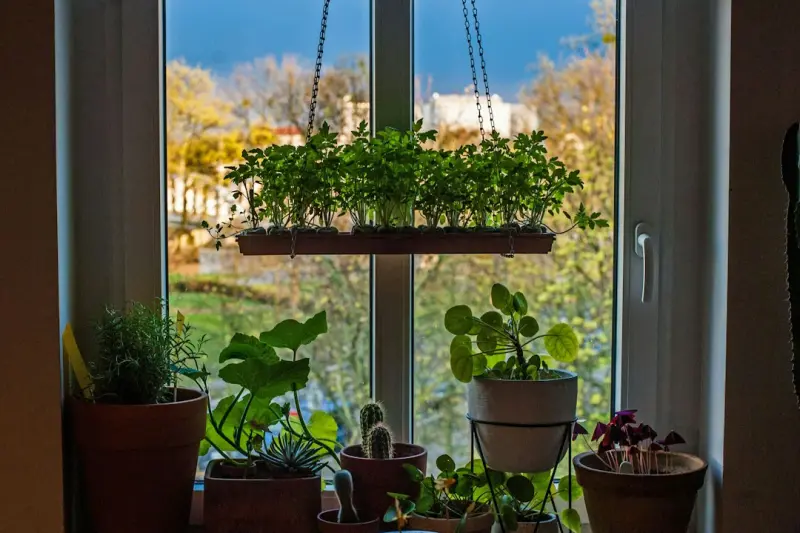
Why Your Front Yard Deserves a Bite of Edibility
When most homeowners think about curb appeal, the mental picture is usually a perfectly manicured lawn, a row of ornamental shrubs, and perhaps a splash of color from annual flowers. I’ve spent the better part of a decade turning my own driveway into a conversation starter, and what I’ve learned is that a front‑yard garden that produces food can be just as striking—if not more—than any purely decorative landscape. An edible front yard invites neighbors to pause, ask questions, and even share a taste, turning a simple stretch of pavement into a living, breathing community hub.
Breaking the Myth: Edible = Unsightly?
One of the biggest hurdles to planting vegetables or fruit trees where everyone can see them is the belief that food‑producing plants are inherently messy or unattractive. This myth stems from outdated garden aesthetics that separate “beauty” from “utility.” In reality, many edible plants have ornamental qualities that can be highlighted with thoughtful design. Think of the glossy leaves of kale, the delicate white blossoms of rosemary, or the glossy, ruby‑red berries of winterberries. When arranged with intention, these plants add texture, color, and structure that rival any ornamental shrub.
Choosing the Right Species for Street‑Side Success
Before you start digging, consider the micro‑climate of your street. Sun exposure, wind patterns, and even the reflective glare from nearby buildings can dramatically affect plant performance. Below are a few categories that tend to thrive in front‑yard conditions:
- Fruit‑Bearing Trees: Dwarf varieties of apple, pear, or plum can be trained against a wall or placed in a large container to keep the canopy low and manageable.
- Berry Bushes: Raspberries, blackberries, and currants produce vibrant foliage and seasonal color, plus they’re relatively low‑maintenance.
- Leafy Greens: Loose‑leaf lettuce, arugula, and mustard greens can be grown in shallow raised beds or even in decorative troughs.
- Herbs with Ornamental Appeal: Lavender, thyme, and sage provide fragrance, attract pollinators, and look great alongside more traditional plantings.
- Edible Perennials: Asparagus spears, rhubarb, and artichokes return year after year, offering a stable visual anchor in the landscape.
Choosing a mix of these plants ensures that there’s always something in bloom or ready to harvest, keeping the garden lively throughout the seasons.
Design Principles That Blend Harvest with Haute Couture
Here are three design strategies that allow you to keep the front yard polished while still producing a bountiful harvest:
1. Layered Planting for Depth
Just as a well‑curated gallery uses foreground, middle ground, and background elements, a front yard can benefit from vertical layering. Place low‑growing greens and herbs at the front, mid‑height fruit bushes in the center, and taller dwarf trees or espaliered vines along the perimeter. This approach creates visual interest and makes the garden feel spacious, even on a modest lot.
2. Use Architectural Forms
Training fruit trees to grow flat against a fence or a low wall (a technique known as espaliers) transforms a functional plant into a decorative screen. Similarly, trellised beans or peas can act as living art installations, their vines weaving a tapestry of green that complements nearby brickwork or siding.
3. Integrate Decorative Containers
When space is limited, attractive containers become the hero. Terracotta pots, reclaimed wooden barrels, or even repurposed metal drums can house herbs, lettuce, or dwarf strawberries. Not only do they keep the garden tidy, they also provide flexibility for seasonal swaps.
Seasonal Planning: From Sprouting to Harvesting
One of the most rewarding aspects of an edible front yard is watching the garden evolve with the seasons. Here’s a simple calendar to keep you on track:
- Spring: Plant early‑season greens (spinach, lettuce), set out strawberry runners, and begin training fruit trees.
- Summer: Harvest leafy greens, tend to berry canes, and add heat‑loving herbs like basil and oregano.
- Fall: Plant garlic cloves, root vegetables (radishes, carrots) in deeper beds, and prune fruit trees for next year’s growth.
- Winter: Use cold frames or cloches to extend the season for hardy greens, and focus on indoor propagation of herbs.
By rotating crops and staggering planting times, you ensure a continuous supply of fresh produce while keeping the garden aesthetically balanced.
Pollinator Power: A Bonus for Neighbors and the Ecosystem
Edible plants are a magnet for bees, butterflies, and hummingbirds. The nectar from fruit blossoms and the pollen from herb flowers support a healthy pollinator population, which in turn boosts the productivity of the garden itself. To maximize this benefit, intermix flowering herbs (like dill and cilantro) among your fruit bushes and sprinkle a few native wildflowers in the border. The result is a vibrant, buzzing ecosystem that adds motion and life to the streetscape.
Maintaining a Neat Appearance
Even though the garden is edible, it can still look immaculate with a few simple maintenance habits:
- Regular Pruning: Keep fruit trees and berry canes at a manageable height. A tidy shape not only looks good but also promotes better air circulation.
- Mulching: A layer of organic mulch (straw, wood chips, or shredded leaves) suppresses weeds, retains moisture, and gives the beds a finished look.
- Strategic Pathways: Define walkways with stepping stones or low‑profile edging. This guides visitors and protects tender plants from foot traffic.
- Seasonal Clean‑ups: Remove spent blooms and fallen fruit promptly to avoid a sloppy appearance and reduce pest attraction.
Community Benefits: From Conversation Starters to Shared Harvests
When neighbors see a garden that offers more than visual pleasure, curiosity naturally follows. I’ve found that a simple “What’s that plant?” can spark a dialogue that leads to seed swaps, shared recipes, or even collaborative garden projects. In neighborhoods where front‑yard edible gardens become the norm, a subtle shift toward sustainable living often emerges.
Smart Storage Solutions to Keep the Garden Tidy
Even the most disciplined gardener needs a place to stash tools, potting soil, and harvested produce. Clever storage ideas can hide clutter without compromising curb appeal. For inspiration, check out discreet storage hacks that blend seamlessly into any room. Applying similar principles outdoors—like a weather‑proof bench with hidden compartments or a decorative shed that doubles as a planter—keeps your front yard looking polished while providing practical space for everything you need.
Indoor‑Outdoor Air Quality: A Seamless Transition
While the primary focus is on outdoor aesthetics, the garden also influences the air you breathe inside your home. Plants that thrive at the street edge can help filter dust and pollutants before they drift onto your porch or entryway. To learn more about optimizing the air you inhale at home, read practical steps to improve indoor air quality. Pairing indoor plants with a thriving front‑yard garden creates a holistic environment where fresh air flows from the street right into your living spaces.
Budget‑Friendly Tips for Getting Started
Launching an edible front yard doesn’t have to break the bank. Here are a few cost‑saving strategies:
- Seed Swaps: Join local gardening clubs or online forums to exchange seeds and seedlings.
- Reclaimed Materials: Use old pallets for raised beds, repurpose mason jars as herb planters, or turn a broken fence into a trellis.
- Community Grants: Some municipalities offer small grants for urban gardening initiatives—check your city’s website for opportunities.
Remember, the goal is to create a garden that reflects your personal style while serving a functional purpose. Start small, experiment, and let the garden evolve with you.
Final Thoughts: Let Your Front Yard Tell a Story
When you blend edible plants with thoughtful design, your front yard becomes more than a visual statement—it becomes a narrative of sustainability, community, and personal pride. It invites passersby to pause, ask questions, and perhaps even taste a fresh strawberry plucked from a low‑lying bush. By treating the front yard as an extension of your kitchen and a canvas for creativity, you turn a simple stretch of land into a living showcase of what’s possible when beauty and bounty coexist.

Karen Edwards is a seasoned freelance writer with a passion for all things furry, feathered, and scaled. With a dedicated focus on pets, she brings a wealth of knowledge and a keen eye for detail to her writing.
Related Posts
DIY Upcycled Planters: Turning Household Waste into Garden Art
Learn to turn discarded items into eye‑catching planters, blend art with sustainability, and keep ... Read More

Why My Garden Desk Became the Heart of My Home
A personal journey from cubicle to garden desk reveals the health, creativity, and community benefit... Read More

Turning Your Backyard into a Reading Sanctuary: Gardens, Comfort, and Quiet
Create a tranquil backyard reading sanctuary using natural light, soothing plants, and simple DIY to... Read More
Top Posts

Tiny Moves, Big Impact: Reimagining Everyday Activity for Health
Steph Sanderson shares practical ways to integrate micro‑movements into daily life, explaining the science, benefits, and easy tools for a healthier, more ene...Read More

How to Turn Remote‑First Hiring Into Your Career Superpower
Learn to master remote‑first hiring by building a global brand, negotiating equity and perks, and creating a 30‑day action plan that positions you as the to...Read More

Career Crafting: How Employees Can Design Their Own Work Futures
In a shifting workplace, static job descriptions are giving way to career crafting—where employees map their own growth, align with outcome‑based goals, and...Read More
From Soil to Spreadsheet: How My Garden Is Redefining the Future of Employment
Jimmy Damon shares how his garden office transforms work, boosts output, and sets a sustainable standard for the future of employment.---...Read More
0 Comments
Post Comment
You will need to Login or Register to comment on this post!