
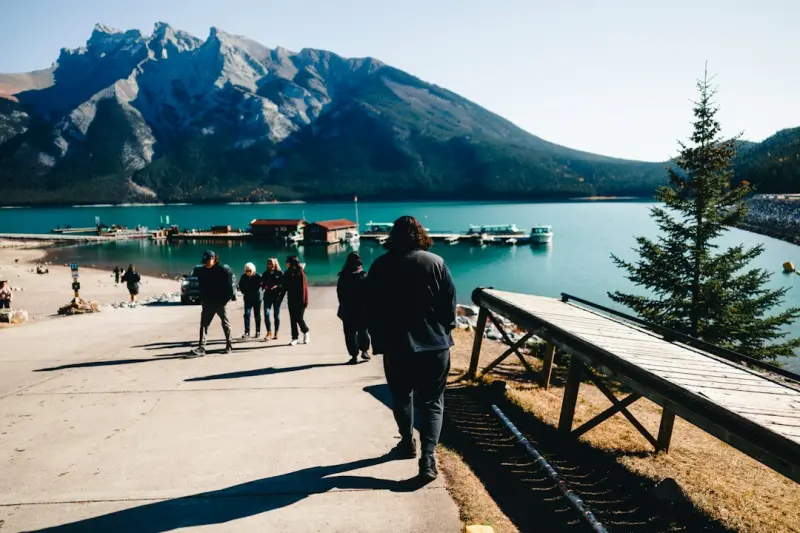
Why Travel Should Be a Classroom, Not Just a Vacation
When I first booked a trip to the highlands of Oaxaca, I wasn’t hunting for Instagram‑worthy sunsets or the perfect spot for a latte. I was hunting for a skill – the chance to knead traditional corn dough alongside a local tlayuda master. That moment shifted my entire travel philosophy. No longer was I a passive observer; I became a participant, a co‑creator of the experience. In this post, I’ll walk you through the why, the how, and the tangible benefits of turning every trip into a hands‑on learning adventure.
The Gap Between Sightseeing and Skill‑Based Travel
Traditional tourism has long been built on a checklist mindset: “Did I see the Eiffel Tower? Did I taste sushi in Tokyo?” While there’s undeniable joy in ticking boxes, the approach often reduces culture to a series of photo ops. Skill‑based travel flips the script. Instead of seeing a place, you do something that the locals do, immersing yourself in the rhythms that shape daily life.
Think of the difference between watching a documentary on traditional weaving versus sitting at a loom with a master weaver, feeling the tension of the fibers, and learning the subtle footwork that has been passed down through generations. The former informs; the latter transforms.
Choosing the Right Skill for Your Journey
Not every skill aligns with every destination, but the world is brimming with opportunities if you know where to look. Here are three lenses to help you decide:
- Culture‑Centric Skills: Cooking, pottery, dance, traditional medicine, or folk music. These are deeply rooted in regional identity.
- Nature‑Based Skills: Foraging, sustainable fishing, wildlife photography, or guided trekking.
- Modern‑Craft Skills: Coding bootcamps in Berlin’s startup hubs, graphic design workshops in Seoul, or renewable‑energy installations in Denmark.
Start by asking: What excites me about this destination beyond the postcard image? Then match that curiosity to a skill that lives there.
Finding Authentic Learning Opportunities
Authenticity is the currency of skill‑based travel. Here’s how to source genuine experiences:
- Local Community Boards: Many towns have notice boards at markets or community centers advertising workshops.
- Co‑Working & Co‑Living Spaces: These hubs often host skill swaps – a night of salsa in exchange for a coding tutorial.
- Non‑Profits and NGOs: Organizations focused on cultural preservation frequently welcome volunteers who want to learn while they help.
- Word of Mouth: Reach out to travel forums or social media groups dedicated to the destination. Locals love sharing their crafts.
When you discover a potential workshop, dig deeper. Ask about the instructor’s background, class size, and how the proceeds are used. Transparency ensures that your learning supports the community rather than exploits it.
Logistics: Packing for a Skill‑Centric Trip
Traditional packing lists need a tweak. If you’re heading to a pottery studio, pack a sturdy bag for clay tools. If you plan to learn surfboarding, bring a waterproof case for your phone and a lightweight change of clothes. Here’s a quick checklist:
- Core Gear: A versatile backpack, travel‑size notebooks, and a portable charger.
- Skill‑Specific Items: Small tools, protective gloves, or a language phrasebook.
- Health Essentials: Any specialized medication, sunscreen, and a small first‑aid kit.
- Backup Plans: A few offline activities (books, puzzles) in case a workshop is canceled.
Remember, the lighter you travel, the more room you have for new equipment you might acquire on the road – like a hand‑carved wooden spoon from a Mexican market.
Budgeting for Learning Adventures
Skill‑based travel can be cost‑effective if you plan wisely. Here are some budgeting hacks:
- Combine Learning with Volunteering: Many NGOs cover material costs if you give a few hours of your time.
- Group Discounts: Organize a small cohort of fellow travelers and negotiate a group rate.
- Barter: Offer a skill you have (digital marketing, photography) in exchange for lessons.
- Local Currency: Pay in local cash to avoid premium rates from tourist-oriented providers.
Investing in a learning experience often yields long‑term value: new competencies, deeper connections, and stories that outlive any souvenir.
Deepening Connection Through Language
Even a rudimentary grasp of the local tongue can turn a transactional workshop into a collaborative experience. Spend a few minutes each morning with a language app or flashcards, focusing on phrases that directly relate to your chosen skill. For example, if you’re learning to bake sourdough in San Francisco’s Mission District, mastering words like “masa,” “levadura,” and “hornear” will make the difference between a polite nod and a lively conversation about fermentation techniques.
From Tourist to Community Member: The Social Benefits
When you actively engage in a local practice, you naturally meet the people who keep that tradition alive. These relationships often extend beyond the classroom. A potter may invite you to a family dinner; a surf instructor might take you to a hidden beach that’s off the guidebook radar. These moments foster a sense of belonging and break down the “us vs. them” barrier that conventional tourism can reinforce.
Measuring Impact: How to Ensure Your Trip Leaves a Positive Footprint
It’s easy to get caught up in the thrill of learning and forget the broader impact. Here are three metrics you can track:
- Economic Contribution: Did a portion of the fee go directly to the instructor or community fund?
- Cultural Preservation: Are you helping to keep a fading craft alive?
- Personal Growth: What new skill did you acquire, and how will you integrate it into your life back home?
When you can answer “yes” to these questions, you know your travel was more than a vacation—it was an investment in humanity.
Case Study: From City Streets to Rural Workshops
Last year I swapped my usual conference circuit for a month‑long immersion in the vineyards of Georgia (the country, not the U.S.). I signed up for a Remote‑Ready Adventures program that offered a blend of remote work and local apprenticeship. Each morning, I logged into my client’s project, then spent afternoons learning the ancient art of qvevri winemaking. By the end of the stay, I could taste the subtle differences between a wine aged in clay versus steel, and I’d built a friendship with the winemaker that still results in monthly virtual tastings.
What surprised me most wasn’t the skill itself, but the shift in mindset. I stopped seeing travel as a break from work and started viewing it as an extension of my professional development—learning new processes, adapting to unfamiliar environments, and collaborating across cultures.
Integrating Skill‑Based Travel Into a Busy Schedule
For many professionals, the notion of taking an extended vacation feels unrealistic. Here’s how to weave learning trips into a packed calendar:
- Micro‑Retreats: A long weekend focused on a single skill (e.g., a three‑day photography workshop in Iceland).
- Hybrid Trips: Combine work duties with a local class in the evenings. Many co‑working spaces in Bali, for instance, host daily yoga sessions.
- Seasonal Sabbaticals: Negotiate a few weeks off during slower business periods to embark on a deeper immersion.
Even a short, focused experience can ignite a lifelong passion.
Technology’s Role: Enhancing, Not Replacing, Real‑World Learning
While the core of skill‑based travel is hands‑on practice, technology can amplify the experience. Record your sessions, upload short clips to a private channel for feedback, or use translation apps to bridge language gaps. Just remember that the device is a tool, not the teacher. The true value lies in the tactile, sensory engagement that only being physically present can provide.
Future Trends: Where Skill‑Based Travel Is Headed
The travel industry is beginning to recognize the demand for immersive learning experiences. Look out for:
- Certification Programs that partner with local guilds, offering recognized credentials for skills like traditional woodworking or marine conservation.
- Travel Packages curated by alumni of skill‑based trips, ensuring authenticity and quality.
- Impact‑Focused Platforms that match travelers with community‑run workshops, guaranteeing that a percentage of proceeds support cultural preservation.
These developments signal a shift from consumption to contribution, aligning travel with personal and societal growth.
Tips for Making the Most of Your Skill‑Based Journey
- Enter with Humility: You’re a guest. Listen more than you speak.
- Document, Don’t Distract: Capture key moments for reflection, but avoid turning every lesson into a photo shoot.
- Stay Open to Unexpected Paths: Your original skill may evolve into a related craft you hadn’t considered.
- Share Your Knowledge Back Home: Host a workshop, write a blog, or simply share stories with friends. The ripple effect amplifies impact.
Conclusion: Travel as a Catalyst for Lifelong Learning
When you trade the typical tourist itinerary for a workshop bench, a kitchen stove, or a community garden, you unlock a deeper layer of the world. You’re no longer just collecting stamps in a passport; you’re collecting competencies, relationships, and stories that stay with you long after you return home. So the next time you book a flight, ask yourself: “What will I learn on this trip?” The answer could transform not just your vacation, but the trajectory of your life.

Seth Samual is a name that's quickly becoming synonymous with compelling and insightful writing. As a freelance writer, Seth has carved a niche for himself by delivering high-quality content across a diverse range of subjects.
Related Posts

Travel That Gives Back: Designing Regenerative Adventures
A deep dive into creating travel experiences that leave a positive legacy, from community‑focused ... Read More

How Intentional Disconnect Transforms Your Travel Experience
A guide to purposeful travel that emphasizes digital detox, minimalist packing, and authentic local ... Read More
The Narrative Backpack: Crafting Stories That Outlast Your Trip
Discover a step‑by‑step guide to travel storytelling, from setting up a story bank before you de... Read More
Top Posts

Why Skill‑First Hiring Beats Degree‑First Recruiting
Skill‑first hiring replaces degree requirements with concrete ability assessments, unlocking a broader, more diverse talent pool and aligning talent with real...Read More

Tiny Movement Rituals to Supercharge Your Desk‑Day Health
Explore how tiny, intentional movement rituals can transform desk‑day wellness, improve posture, circulation, and focus, with easy cues and supportive environ...Read More

Rediscovering Heirloom Gardens: A Modern Homeowner’s Guide to Reviving Heritage Crops
Explore a step‑by‑step guide to reviving heritage crops, from sourcing authentic seeds and preparing soil to sustainable harvesting and seed saving, all whi...Read More

AI‑Powered Personal Knowledge Bases: Harnessing Your Digital Brain
AI‑powered personal knowledge bases turn chaotic digital notes into a living insight engine, helping professionals retrieve, connect, and act on information f...Read More
0 Comments
Post Comment
You will need to Login or Register to comment on this post!