
When I first walked into a boutique that smelled like fresh linen and citrus, I realized I was experiencing something far beyond a simple fragrance—it was a full‑body invitation to pause, breathe, and notice the tiny sensations that usually get lost in my day‑to‑day hustle. Personal care, for me, isn’t just about the products on the shelf; it’s an orchestrated dance of touch, temperature, and tiny rituals that tell my nervous system, “You’re safe, you’re seen, you matter.” In this post I’m sharing the three‑step “Sensory Sanctuary” framework that has transformed my morning and night routines into moments of genuine self‑connection.
Step 1: Grounding with Texture
Most of us think of texture in terms of clothing or furniture, but the skin is the ultimate tactile canvas. The moment you splash cool water on your face, you’re sending a subtle shockwave through the peripheral nerves, which triggers a cascade of calming neurotransmitters. I’ve experimented with a range of textures—silk pillowcases, bamboo washcloths, and even a soft, natural sea‑salt scrub that feels like a gentle tide rolling over my skin. Each material invites a different kind of focus:
- Silk offers a smooth glide that reduces friction and helps prevent sleep lines.
- Bamboo provides a light, breathable feel that’s perfect for a quick, invigorating cleanse.
- Sea‑salt scrub delivers a granular sensation that awakens the senses and preps the skin for deeper moisturization.
When you intentionally select textures that feel good, you’re creating a micro‑ritual that signals your brain to shift out of “autopilot” mode. This practice pairs nicely with the insights from Micro‑Movements, Macro Benefits, where even a 60‑second pause can spark measurable health improvements.
Step 2: Temperature as Therapy
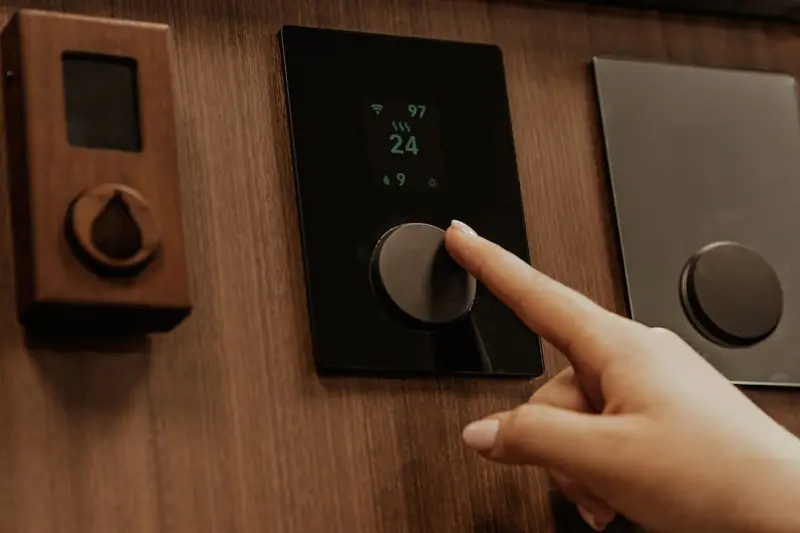
Heat and cold are the yin and yang of personal care. A warm shower loosens muscle tension and opens pores, while a quick splash of cold water or an ice roller can tighten skin, reduce puffiness, and give you an instant energy boost. I’ve turned this into a simple, repeatable routine: start with a 3‑minute lukewarm shower, then finish with a 30‑second burst of cool water aimed at the face and neck. If you’re short on time, a chilled jade roller (kept in the fridge) does wonders for a post‑workout glow.
Temperature also plays a role in emotional regulation. The thermoregulatory response—your body’s way of maintaining internal balance—releases endorphins when you expose yourself to controlled temperature shifts. This is why a warm cup of herbal tea after a cold splash feels especially soothing; the contrast deepens the sense of comfort.
Step 3: Aroma as a Subtle Anchor
We all know that a pleasant scent can lift our mood, but did you know that certain aromas can actually reinforce the tactile and thermal experiences you’re crafting? I love pairing my post‑shower routine with a dab of lavender‑infused oil or a spritz of eucalyptus mist. The key is to choose scents that complement rather than overwhelm the other sensory inputs.
If you’re curious about how fragrance can be strategically used beyond just smelling good, check out Scent as Strategy. That piece dives deeper into the science of how specific notes can sharpen focus, calm anxiety, or even boost confidence—all of which dovetail perfectly with a texture‑and‑temperature‑focused routine.
Building a Mini‑Sanctuary in Your Bathroom
Creating a dedicated “sensory corner” doesn’t require a full remodel. Start by clearing a small space on your vanity and adding three essential items:
- A bamboo washcloth or a set of soft, organic cotton towels.
- A temperature‑controlled device—such as a mini facial steamer or a small, insulated mug for hot tea.
- A scent diffuser or a set of essential oil rollers that you can swap out based on your mood.
When you step into this corner, the visual cue alone cues your brain that it’s time for a sensory reset. The practice becomes a habit after a week or two, and the benefits ripple outward—clearer skin, steadier focus, and a calmer mindset throughout the day.
The Science Behind Sensory Integration
Neuroscientists refer to the process of combining multiple sensory inputs as multisensory integration. When the brain receives simultaneous signals—like a cool splash (temperature) paired with a silky towel (texture) and a hint of lavender (smell)—it processes them in the thalamus, creating a richer, more cohesive experience. This integration boosts the release of dopamine and serotonin, the chemicals responsible for pleasure and well‑being.
In practical terms, this means that a well‑crafted personal care ritual can do more than just make you feel fresh; it can actually rewire your stress response pathways, making you more resilient to daily pressures.
Mindful Moments: Pairing With an Evening Routine
Many of us struggle to unwind after a long day, but the end of the day is the perfect time to reinforce your sensory sanctuary. I’ve found that pairing my sensory steps with a brief Evening Reset helps seal the calm into my sleep environment. After my texture‑temperature‑aroma routine, I spend five minutes dimming the lights, turning off electronic devices, and doing a gentle neck stretch. The combined effect signals to my nervous system that it’s time to transition into restorative mode.
DIY Sustainable Personal Care Products
When you create your own products, you control both the ingredients and the sensory profile. A simple, sustainable facial mist can be made with distilled water, a splash of rose water, and a few drops of chamomile essential oil. For a texture‑rich exfoliant, blend finely ground oatmeal with a spoonful of honey and a dash of cinnamon. Not only are these recipes kinder to the planet, but they also let you fine‑tune the tactile and aromatic aspects to match your personal preferences.
Remember to patch test any new ingredient, especially if you have sensitive skin. The goal is to enhance your sensory experience, not to irritate it.
Tracking Your Progress
Like any habit, measuring results helps maintain motivation. I keep a small journal next to my sink where I note:
- Which textures I used and how they felt.
- Temperature variations (warm, cool, cold) and any immediate physical reactions.
- Scents that resonated best and any shifts in mood.
- Overall skin condition and energy levels throughout the day.
After a month, I was surprised to see a noticeable reduction in morning puffiness, a steadier focus during meetings, and a subtle but consistent uplift in my mood. The data reinforced that these tiny sensory tweaks have a cumulative impact.
Adapting the Sanctuary for Travel
If you’re a frequent flyer or a remote worker who’s always on the move, portability is key. Pack a travel‑size silk eye mask, a collapsible bamboo washcloth, and a few mini essential oil rollers. Even in a cramped hotel bathroom, you can recreate the same texture‑temperature‑aroma sequence—just swap the full‑size steamer for a warm, damp washcloth and a quick splash of cold water from the faucet.
These portable elements ensure that you don’t lose the grounding benefits of your sanctuary, no matter where you are. Consistency across environments strengthens the neural pathways associated with calm and focus.
Bringing the Sensory Sanctuary to the Workplace
Office desks aren’t traditionally thought of as personal care zones, but a few strategic additions can bring a slice of your sanctuary to work. Keep a small, discreet diffuser with a calming scent like sandalwood, and a soft, reusable gel eye mask for mid‑day breaks. A quick, cool hand rinse at your desk can also serve as a temperature reset, helping you refocus without leaving your workspace.
These micro‑interventions align with the concept of “micro‑moments” championed in productivity circles—tiny, intentional pauses that yield outsized returns in mental clarity and emotional balance.
Wrapping Up: Your Personal Sensory Blueprint
The beauty of the Sensory Sanctuary is its flexibility. You can start with just one element—perhaps swapping your regular towel for a silk one—and gradually layer in temperature and aroma as you get comfortable. The key is intentionality: notice how each sense influences your state, and adjust accordingly. Over time, you’ll find that personal care becomes less about vanity and more about a profound, daily reconnection with your own body’s signals.
Give yourself permission to savor the feel of a soft fabric, the shock of cool water, and the whisper of a beloved scent. When you do, you’ll discover that personal care isn’t a chore—it’s a celebration of the self, one sensory experience at a time.

Jessica Gills is a freelance writer carving a niche for herself by empowering others through her words. With a focus on careers, self-development, and business, she helps readers navigate the complexities of the modern professional landscape.
Related Posts

Reinventing Personal Care: A Sensory‑First Ritual
Explore a fresh, sensory‑focused approach to personal care that blends temperature, sound, scent, ... Read More
The Transformative Power of Hand‑Crafted Body Scrubs
Explore the benefits of homemade body scrubs, from ingredient basics to sensory rituals, and learn h... Read More

Scent‑Powered Productivity: How Smell Shapes Your Personal Care Routine
Learn to harness specific scents at different times of day to improve focus, calm nerves, and create... Read More
Top Posts

Quiet Power: Hidden Home Hacks That Boost Daily Productivity
Learn how to master acoustic treatment, layered lighting, smart storage, and micro‑habits to turn your home into a low‑stress, high‑output environment....Read More

Micro‑Movement Magic: Tiny Workday Exercises That Transform Health
Micro‑movement introduces quick, purposeful exercises into the workday, counteracting the harmful effects of prolonged sitting. Karen Edwards outlines ten sim...Read More

Beyond the Airport: Crafting Meaningful Micro‑Journeys in a Connected World
Micro‑journeys offer a fresh travel mindset that prioritizes depth, sustainability, and personal growth through short, intentional trips. Learn how to design,...Read More

Seasonal Home Refresh: A Holistic Checklist for a Healthier, Brighter Space
A step‑by‑step seasonal checklist that covers air quality, natural lighting, storage, textiles, energy efficiency, and a dedicated reset zone, helping you m...Read More
0 Comments
Post Comment
You will need to Login or Register to comment on this post!