
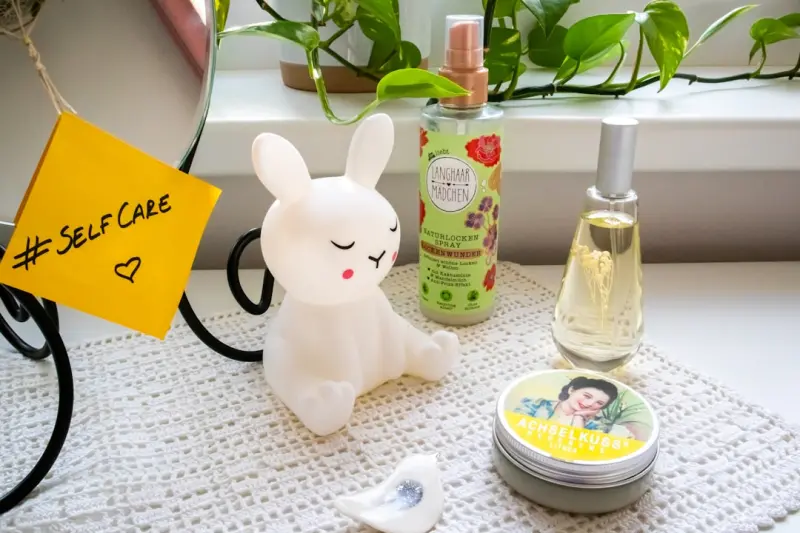
Rewiring Your Routine: Personal Care That Calms the Brain
When the day ends and the screen finally dims, most of us reach for a quick wash, a splash of toner, or a swipe of moisturizer—mechanical motions that signal “I’m done with work.” In my experience, those gestures have become reflexes rather than rituals, and the brain picks up on the lack of intention. I’ve spent the past few years dissecting why the act of caring for our bodies feels so detached, and I’ve built a new framework that treats personal care as a neuro‑supportive practice instead of a superficial chore. The goal? To transform everyday hygiene into a calibrated, sensory‑rich experience that quiets the nervous system, sharpens focus, and leaves you genuinely refreshed.
The Skin‑Brain Axis: More Than a Buzzword
Scientific research now confirms that our skin isn’t just a protective barrier; it’s a massive communication hub. Every time you touch your cheek, a cascade of signals travels through the strategic hydration pathways that affect cortisol, serotonin, and even the gut‑brain axis. Think of the skin as an antenna, picking up both external stimuli (temperature, pressure, scent) and internal states (stress hormones, inflammation). When we flood the skin with harsh chemicals or ignore its needs, we inadvertently amplify stress signals, creating a feedback loop that can keep the brain in “fight‑or‑flight” mode long after the workday ends.
Understanding this connection reframes the products we choose and the motions we perform. It also opens a space for intentional design—an opportunity to turn a quick rinse into a purposeful reset.
Designing a Sensory Sanctuary at Home
Before you even open a bottle, ask yourself: What does my nervous system crave right now? The answer might be warmth, coolness, a specific scent, or gentle vibration. My favorite approach is to create a “sensory sanctuary” that aligns with the time of day and my mental state. For example, after a high‑energy Zoom marathon, I dim the lights, run a diffuser with cedarwood, and use a warm, oil‑infused cleanser that feels like a brief massage. If it’s early morning, I reach for a citrus‑based scrub that awakens both skin and mind, pairing it with a burst of cool water to signal alertness.
These choices become more powerful when they’re part of a broader simple home rituals ecosystem. By layering scent, temperature, and texture, you train the brain to associate each step with a specific state—calm, focus, or invigoration—much like a Pavlovian cue but with far richer nuance.
Micro‑Movements: The Art of Self‑Massage
One of the most underappreciated tools in personal care is self‑massage. A few minutes of gentle pressure along the jawline, temples, or the tops of the shoulders can trigger the parasympathetic nervous system, lowering heart rate and cortisol. I’ve built a five‑minute “micro‑movement” routine that fits neatly between a shower and a coffee:
- Temple Glide: Using the pads of your index and middle fingers, trace small circles on each temple for 30 seconds.
- Jaw Release: Press the thumb gently into the hinge of the jaw, then slowly open the mouth wide, repeating five times.
- Neck Sweep: With the palms flat, slide down from the base of the skull to the collarbone, feeling the muscles soften.
- Forehead Tap: Lightly tap the center of the forehead with the fingertips, encouraging a subtle wave of relaxation.
- Hand Massage: Rub the palms together, then massage each finger individually—this boosts circulation and signals completion.
These micro‑movements are not about deep tissue work; they’re about creating a tactile anchor that tells the brain, “I’m safe, I’m present.” When paired with a soothing scent or a warm water splash, the effect compounds, leaving you ready for whatever comes next.
Tech‑Enabled Skin Monitoring: Data Meets Intuition
Personal care tech has leapt from fitness trackers to skin‑health devices. Modern wearables can measure hydration levels, UV exposure, and even pH balance in real time. I’ve been experimenting with a discreet patch that syncs to my phone, flashing a green light when my skin’s moisture drops below the optimal range. When the alert arrives, I pause my work, drink a glass of water, and apply a lightweight hyaluronic serum—turning a data point into an actionable ritual.
This feedback loop does two things: it prevents the “dry‑skin‑stress” cascade and it reinforces the habit of checking in with yourself before the stress builds. The technology isn’t a replacement for intuition; it’s a supportive layer that nudges you toward consistency.
Ritual Design: From Morning to Night
Below is a full‑day blueprint that weaves together the principles above. Feel free to remix the steps to match your schedule.
- Morning Wake‑Up (5 min): Splash cool water on the face, apply a citrus‑infused cleanser, and perform the “Neck Sweep.” Follow with a quick skin‑hydration check via your wearable.
- Mid‑Day Reset (3 min): After lunch, step away from the desk, spray a light mist of rose water, and practice the “Temple Glide.” This helps lower post‑meal fatigue.
- Afternoon Focus Boost (2 min): Use a minty toner, then do the “Forehead Tap” while inhaling a peppermint scent. The combination sharpens attention for the final work sprint.
- Evening Unwind (7 min): Dim the lights, start a cedarwood diffuser, and cleanse with a warm, oil‑based balm. Follow with the full micro‑movement routine and a brief skin‑moisture check.
- Pre‑Sleep Wind‑Down (5 min): Light a lavender candle, apply a thin layer of night cream, and practice a slow, deep‑breathing exercise while gently tapping the scalp. This signals to the brain that it’s time to transition to rest.
The key is consistency, not perfection. Even if you skip a step, the brain learns the overarching pattern and still receives a calming signal.
Integrating Playful Creativity for Long‑Term Engagement
One of the biggest pitfalls of personal care routines is boredom. When a practice feels like a chore, adherence drops. I turned to playful creativity to keep the experience fresh. This might mean switching up the scent palette each week, using a new textured sponge, or turning your bathroom mirror into a mini art studio by drawing gentle mandalas with a water‑based eyeliner (it washes away, but the act of drawing engages the mind).
Playful creativity doesn’t just keep you interested; it also activates the brain’s reward pathways, releasing dopamine that counteracts stress hormones. The result is a personal care routine that feels less like maintenance and more like a mini‑adventure.
Putting It All Together: A Personal Care Blueprint for the Modern Professional
At the end of the day, personal care is an invitation to step out of the relentless scroll and into a moment of intentional self‑connection. By honoring the skin‑brain axis, designing sensory sanctuaries, leveraging micro‑movements, and sprinkling in tech‑enabled feedback, you create a layered system that not only cleanses your skin but also recalibrates your nervous system.
Start small. Pick one micro‑movement and one scent, integrate a wearable cue, and watch how your brain begins to associate these signals with calm. Over weeks, expand the ritual, introduce new textures, and let simple home rituals become the backbone of your day. In doing so, you’ll discover that personal care is not an afterthought—it’s a powerful, neuro‑supportive practice that fuels productivity, creativity, and genuine well‑being.

Jim Pearse, a seasoned freelance writer, brings a wealth of knowledge and passion to the world of home and garden. From the intricacies of landscaping to the nuances of interior design, Jim delves into every aspect of creating comfortable, beautiful, and functional living spaces.
Related Posts
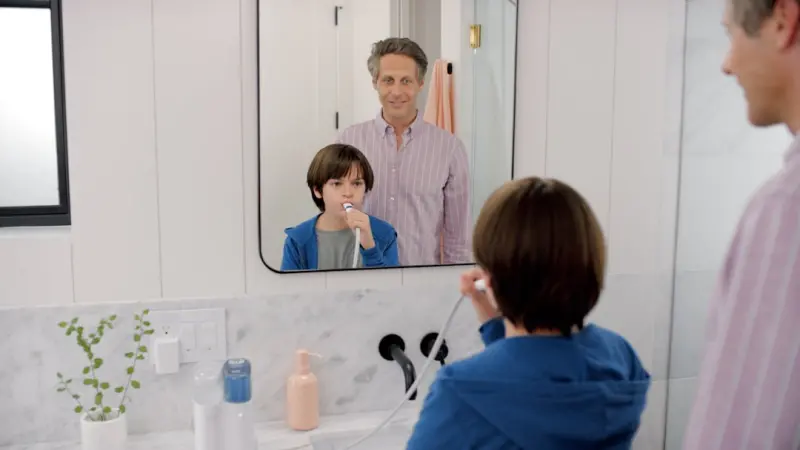
Micro‑Rituals: Redefining Personal Care in the Age of Distraction
Explore practical micro‑rituals—breathing, scent, movement, and tech cues—that transform brief... Read More
Scent, Sound, and Skin: Crafting a Multi‑Sensory Personal Care Routine for the Modern Professional
Learn to build a concise, multi‑sensory personal care routine that leverages aroma, audio, and tac... Read More

Minimalist Bathroom Makeover: Elevate Personal Care with Intentional Simplicity
A minimalist bathroom transforms personal care from a chaotic checklist into a calm, intentional rit... Read More
Top Posts

Cultivating a Year‑Round Outdoor Sanctuary for Mindful Living
Learn to create a dynamic, year‑round garden sanctuary that blends sensory design, sustainable methods, and personal touches, turning your outdoor space into ...Read More

Rain Gardens: Turning Stormwater Into a Backyard Bonus
Discover the step‑by‑step process to create a rain garden that transforms runoff into a vibrant, eco‑friendly landscape feature, offering beauty and envir...Read More
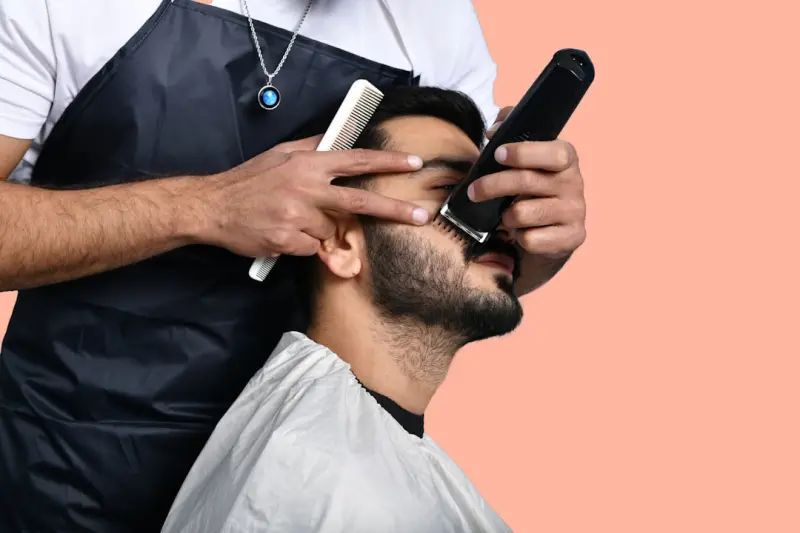
Smart Grooming: Tech Meets Personal Care
Discover how sensor‑enabled devices, AI‑driven insights, and micro‑biome‑friendly products are reshaping personal care for busy professionals, turning g...Read More

AI‑Powered Microlearning: Turning Knowledge Gaps into Growth Engines
AI‑powered microlearning transforms corporate training by delivering bite‑sized, context‑aware lessons exactly when needed, dramatically reducing time‑t...Read More
0 Comments
Post Comment
You will need to Login or Register to comment on this post!