
Why Personal Care Needs a Digital Upgrade
In the fast‑paced world of remote work, constant video calls, and endless notifications, grooming has become more than a routine—it’s a performance metric. You’re not just showing up for a meeting; you’re presenting a digital avatar that reflects competence, confidence, and health. The old “wash your face and brush your teeth” checklist feels inadequate when the same screen that shows your calendar also tracks your heart rate, monitors skin hydration, and even suggests the optimal razor angle based on micro‑vibrations. It’s time to treat personal care like any other productivity tool: data‑driven, adaptable, and seamlessly integrated into the workflow.
The Rise of Sensor‑Enabled Grooming Devices
Today’s smart mirrors, Bluetooth‑enabled toothbrushes, and skin‑analysis pads are no longer novelty gadgets; they’re becoming essential extensions of our daily rituals. A smart mirror can project your calendar while simultaneously analyzing your skin’s oil levels, recommending a lightweight serum before your next Zoom call. A connected electric razor can track pressure, angle, and even skin temperature, sending real‑time feedback to a mobile app that fine‑tunes the shave for minimal irritation.
These devices are powered by a convergence of low‑energy Bluetooth, AI inference on the edge, and cloud‑based analytics. The data they collect isn’t just for novelty—it fuels personalized recommendations that evolve as your environment changes. For example, a humidity sensor in your bathroom can adjust the moisturizer dosage automatically, ensuring that you never feel greasy in a humid office or dry in an air‑conditioned conference room.
Data‑Driven Skincare: From Guesswork to Precision
Traditional skincare has always been a blend of science and anecdote. You read a label, hope it works, and adjust based on trial and error. Modern tech replaces guesswork with precision. Wearable devices that monitor UV exposure, skin conductance, and even microbiome shifts can feed a AI‑powered personal care assistant that curates a daily regimen tailored to your unique physiology.
Imagine receiving a notification at 8 am: “Your skin’s moisture level dropped 12% overnight—apply the 2‑ml hydrating serum before coffee.” Later, during a high‑stress sprint, your wearable detects elevated cortisol and suggests a quick facial massage to stimulate lymphatic flow, reducing puffiness before that crucial client presentation.
Integrating Personal Care into Your Workflow
Most professionals think of personal care as a break from work, but the most productive teams treat it as a core component of performance. Here’s how you can embed grooming into your daily workflow without sacrificing focus:
- Micro‑Ritual Alerts: Set your calendar to trigger short, 2‑minute micro‑rituals. A quick breath‑focused face massage before a back‑to‑back meeting can reset your nervous system.
- Smart Bathroom Stations: Equip your bathroom with a zero‑waste bathroom strategy that includes refillable dispensers, a water‑temperature sensor, and a digital dashboard displaying your usage patterns. This not only reduces waste but also gives you actionable insights (e.g., “You’re using 15% more hot water on days with back‑to‑back video calls—consider a cooler rinse to avoid skin redness”).
- Unified Dashboard: Consolidate data from your toothbrush, razor, and skin sensor into a single health dashboard. This creates a holistic view of your personal care health, allowing you to spot trends—like a correlation between late-night coding sessions and increased skin oiliness.
Micro‑Biome Friendly Personal Care
While technology offers precision, it also poses a risk: over‑sanitization can disrupt the skin’s natural microbiome. The next generation of personal care products embraces “micro‑biome‑friendly” formulas that nurture beneficial bacteria while still delivering clean performance. Look for ingredients like prebiotic glycerin, fermented extracts (not to be confused with the DIY “fermented skincare” craze already covered elsewhere), and post‑biotic peptides. When paired with sensor data, you can fine‑tune the frequency of probiotic applications to keep the skin barrier resilient, especially during periods of high stress or travel.
The Psychology of a Smart Grooming Routine
Beyond the physical benefits, a data‑informed grooming routine can boost mental clarity. The act of checking a personal care dashboard creates a small, predictable ritual that grounds you in the present—much like a mindfulness pause but with the added advantage of measurable outcomes. This ritualized self‑care signals to your brain that you’re taking control, which in turn reduces anxiety and improves focus.
Studies show that even brief self‑care actions—like a 30‑second scalp massage—activate the parasympathetic nervous system, lowering heart rate and improving decision‑making speed. By embedding these moments into a digital schedule, you’re not just looking good; you’re performing better.
Traveling Professionals: Maintaining Grooming Consistency on the Road
For the frequent flyer or the digital nomad, consistency is the biggest challenge. Portable smart kits—compact versions of your home bathroom’s sensor suite—solve this problem. A travel‑size skin analyzer plugs into a USB‑C port, syncing with your phone to maintain the same data continuity. Smart travel cases with built-in temperature control ensure that your products stay stable, preventing the degradation that can happen when you expose serums to fluctuating climates.
Combine these tools with a digital detox strategy to prevent device fatigue. A short “offline grooming window” after landing lets you recalibrate both your skin and your mind before diving back into work, preserving the high‑performance state you cultivated at home.
Future Trends: AI‑Driven Grooming Coaches and Augmented Reality
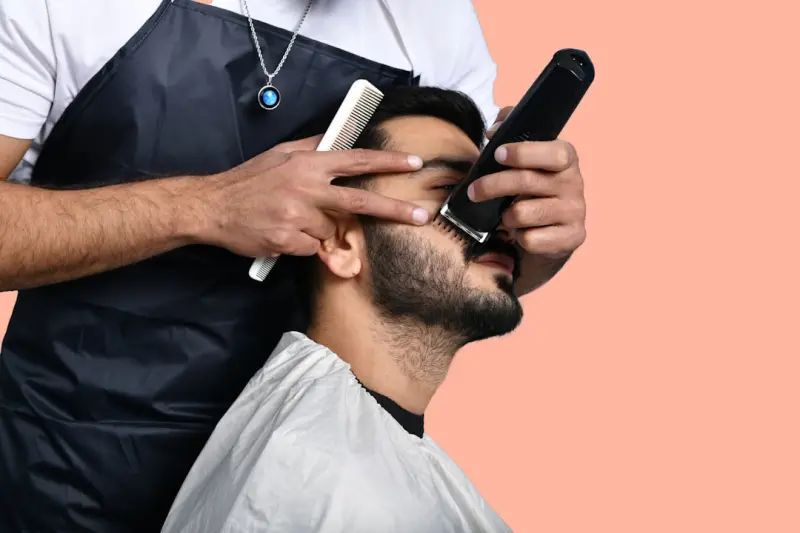
The next frontier is the AI grooming coach—a virtual assistant that watches your grooming technique via the smart mirror’s camera, offering real‑time corrections. Think of it as a personal trainer for your face. Early prototypes can detect uneven razor strokes, advise on pressure, and even suggest product swaps based on skin reactions logged over weeks.
Augmented reality (AR) overlays will soon let you preview how a new haircut or beard style looks before committing. By integrating with your calendar, the AR system can suggest the optimal timing for a trim—perhaps right after a major deadline when you have a natural confidence boost to showcase.
Building a Sustainable Tech‑Personal Care Ecosystem
Technology can sometimes feel at odds with sustainability, but a well‑designed ecosystem can achieve both. Refillable cartridges, solar‑powered chargers for bathroom devices, and AI that minimizes product over‑application all contribute to a greener routine. When you combine data‑driven precision with zero‑waste infrastructure, you not only reduce your environmental footprint but also cut down on unnecessary spending—a win‑win for both the planet and the bottom line.
Actionable Checklist for the Modern Professional
- Audit your current grooming tools: Identify which can be upgraded to smart versions.
- Set up a unified dashboard: Use a health app that aggregates data from toothbrushes, razors, and skin sensors.
- Incorporate micro‑ritual alerts: Schedule 2‑minute grooming pauses before high‑stakes meetings.
- Adopt micro‑biome‑friendly products: Choose formulas that support your skin’s natural flora.
- Invest in a portable smart kit: Ensure continuity when traveling.
- Leverage AI coaching: Start with a smart mirror that offers basic feedback and scale up as technology matures.
- Align with sustainability: Switch to refillable containers and enable auto‑dose features to avoid waste.
Conclusion
Personal care is no longer a peripheral task; it’s a strategic lever that can enhance productivity, confidence, and well‑being. By embracing sensor‑enabled devices, AI‑driven insights, and micro‑biome‑friendly formulations, today’s professionals can transform grooming from a chore into a high‑impact habit. The future belongs to those who treat their bodies with the same data‑centric rigor they apply to their projects—because when you look good, you think good, and your work reflects that synergy.

Tyler Johnson is a seasoned freelance writer with a keen eye for detail and a passion for crafting compelling narratives. His years of experience have honed his ability to adapt his style to suit diverse client needs and project requirements.
Related Posts
Adaptive Skincare Tech: Turning Routine Into Real‑Time Personal Care
Adaptive skincare technology transforms static personal care habits into responsive rituals, using s... Read More

Unplugged Grooming: Reclaiming Analog Rituals in a Hyper‑Connected World
The article details a step‑by‑step analog grooming routine, highlighting the benefits of removin... Read More
Storytelling Your Skin: Turning Daily Care into a Personal Narrative
Miranda Murphy shows how framing your grooming routine as a story—complete with protagonist, confl... Read More
Top Posts

Rediscovering the Art of Self‑Massage: A Simple Ritual for Busy Lives
A quick, equipment‑free self‑massage routine can relieve tension, improve focus, and boost mood, offering busy professionals a portable personal‑care tool...Read More
Beyond Automation: How AI Becomes a Strategic Partner in Business Innovation
This article reimagines AI as a strategic partner that augments decision‑making, embeds ethical guardrails, fuels creative collaboration, and builds resilient...Read More

Crafting a Daily At‑Home Spa: A Blueprint for Creative Calm
Discover a step‑by‑step guide to creating a calming at‑home spa that blends light, scent, sound, and sustainable practices, empowering you to reset, refoc...Read More

Edible Landscapes: How to Grow a Food Forest in Your Backyard
Learn to transform your yard into a thriving food forest with layered planting, smart water use, and low‑maintenance perennials, creating a beautiful, sustain...Read More
0 Comments
Post Comment
You will need to Login or Register to comment on this post!