
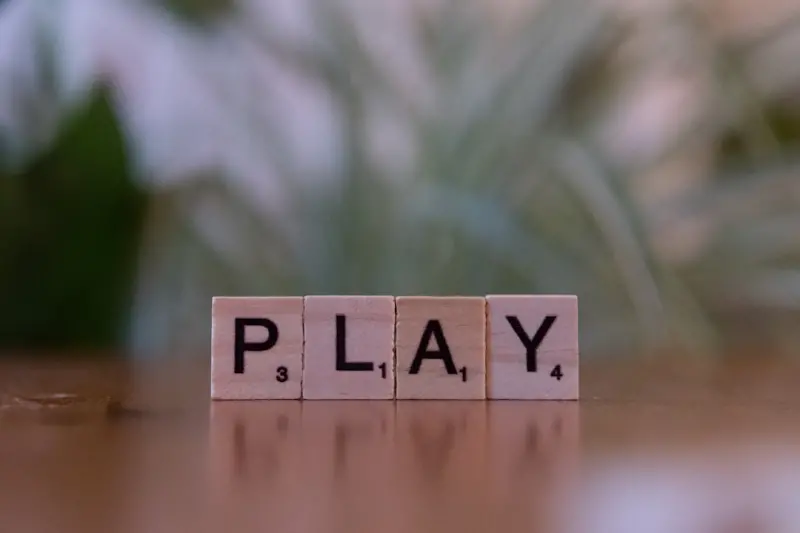
In a world that constantly pushes us to sprint, the most radical act we can take is to pause, tinker, and invite a little bit of play back into our day. I’m not talking about the kind of play that feels frivolous or child‑like; I’m talking about purposeful, creative experimentation that rewires our brain’s stress circuits and restores a sense of agency. When we deliberately carve out micro‑sessions of artistic or imaginative activity, we give our nervous system the chance to reset, and we build a mental buffer against the relentless tide of burnout.
Why “Playful Creativity” is More Than a Trend
For years, corporate wellness programs have championed yoga, meditation, or ergonomic chairs as the go‑to solutions for mental health. While those practices have undeniable value, they often operate on a “one‑size‑fits‑all” premise. Playful creativity, on the other hand, is inherently personal. It meets you where you are, using the tools you already have—whether that’s a sketchpad, a kitchen pantry, a spreadsheet, or a simple sticky note.
Neuroscience tells us that when we engage in novel, low‑stakes creation, the brain releases dopamine and endorphins, chemicals that counteract cortisol, the stress hormone that fuels anxiety and fatigue. This biochemical shift isn’t just a fleeting high; it strengthens the prefrontal cortex, the part of the brain responsible for focus, decision‑making, and emotional regulation. In short, playful creativity builds mental resilience from the inside out.
Getting Started: The “Creative Sprint” Blueprint
Below is a simple, repeatable framework you can embed into any workday, no matter how packed your calendar looks. Think of it as a sprint—not in the athletic sense, but as a short burst of focused, enjoyable activity that leaves you feeling refreshed.
- Set a Timer. Choose a 5‑ to 10‑minute window. The time constraint keeps the activity light and prevents perfectionism from creeping in.
- Select a Medium. Pick something you can access instantly—doodling on a napkin, arranging objects on your desk, writing a haiku, or even remixing a favorite song’s lyrics.
- Define a Tiny Goal. Instead of “draw something,” aim for “sketch one object I see in my office.” The specificity fuels momentum.
- Engage Fully. Put away notifications, close your email tab, and let your curiosity lead.
- Reflect Briefly. When the timer goes off, note how you feel. Do you feel lighter? More focused? Capture that insight in a quick journal entry.
This approach mirrors the principles of employee learning pods, but with a twist: instead of collective knowledge sharing, it’s an individual, improvisational workshop. The key is consistency. Just as you wouldn’t expect a single meditation session to transform your stress levels, you won’t see lasting change from a one‑off doodle. The magic happens when the habit compounds.
Choosing the Right Creative Outlet
Not every creative outlet resonates with every personality. Here’s a quick guide to help you match your natural inclinations with an activity that feels rewarding rather than forced.
- Visual Thinkers: Doodling, collage making, or sketching mind maps.
- Word Lovers: Poetry, micro‑fiction, or brainstorming absurd product ideas.
- Hands‑On Builders: Mini‑DIY projects, origami, or rearranging desk accessories into a new layout.
- Sound Explorers: Crafting a short beat, curating a mood playlist, or experimenting with voice‑over narration.
Experiment with a few options each week. The goal is to discover what makes you lose track of time—a hallmark of the flow state.
The Science Behind Play and Stress Reduction
When you engage in playful activity, your brain toggles from the default mode network (DMN)—the “rumination hub”—to the executive control network (ECN), which is responsible for problem‑solving and creative thinking. This shift reduces mental chatter and creates a mental “reset button.” Moreover, research on wearable biofeedback shows that pairing physical movement with creative tasks amplifies the calming effect, as the body receives simultaneous sensory input that reinforces the brain’s relaxation pathways.
In practice, this means that a 10‑minute sketch session can be as effective at lowering heart rate and perceived stress as a short meditation, especially for those who find stillness challenging.
Embedding Play into Remote and Hybrid Workflows
Remote work can feel isolating, and hybrid schedules often lead to “catch‑up” mode, where creativity is the first casualty. Here are three ways to weave playful creativity into distributed teams without adding extra meetings.
- Virtual “Idea Jams.”strong> Allocate a 5‑minute slot at the start of a weekly sync for team members to share something they made—be it a doodle, a metaphorical story, or a quick prototype. The purpose is to celebrate process over product.
- Creative “Office Hours.”strong> Offer an open‑door virtual room where anyone can drop in to sketch, brainstorm, or even build something with household items. No agenda, just shared creative energy.
- Play‑Based Recognition. Instead of “employee of the month,” highlight “most inventive break” or “best spontaneous prototype,” reinforcing that playful output is valued.
These tactics transform the workplace culture from a relentless output machine to a vibrant studio where innovation can thrive.
Measuring the Impact Without Numbers
Because playful creativity is inherently qualitative, traditional metrics like “hours logged” or “tasks completed” miss the subtle benefits. Instead, track these softer indicators:
- Emotional Check‑Ins. Use a simple emoji scale before and after your creative sprint to gauge mood shifts.
- Focus Duration. Notice if you can sustain concentration on core tasks longer after a playful break.
- Idea Flow. Keep a “spark notebook” where any new concept—no matter how wild—gets captured. Over time, you’ll see an uptick in original ideas.
When you start seeing a pattern of increased optimism, sharper focus, and richer idea pipelines, you’ll know the practice is paying off.
Overcoming Common Barriers
Many professionals dismiss creative play as a luxury. Here’s how to dismantle that myth:
- Time Scarcity. Remember that the biggest ROI comes from the smallest time investment. A 5‑minute doodle is less time than scrolling through email.
- Fear of Judgment. Keep your creations private or share them in a safe, non‑evaluative space. The goal is self‑service, not public performance.
- Perfectionism. Embrace the “bad‑is‑good” mindset. The purpose is movement, not mastery.
Real‑World Success Stories
Companies that have integrated play into their mental health strategies report a measurable drop in burnout rates. One tech startup introduced a weekly “Sketch‑Your‑Problem” session, where engineers drew a visual metaphor for a current challenge. Not only did this surface hidden assumptions, but it also sparked collaborative solutions that cut development cycles by 12%.
Another consulting firm encouraged consultants to keep a “creativity jar”—a collection of random prompts (e.g., “Design a chair for a cat”). When faced with a tight deadline, consultants would pull a prompt, spend five minutes on it, and return to work with renewed mental clarity. The practice became an informal antidote to the high‑pressure environment.
Scaling Play: From Individual to Organization
To institutionalize playful creativity, consider the following three‑step roadmap:
- Leadership Endorsement. Executives model the behavior by sharing their own creative moments in town‑halls or newsletters.
- Resource Allocation. Provide simple kits—colored pens, sticky notes, mini‑canvas—accessible to every employee.
- Feedback Loop. Create a low‑friction channel (e.g., a Slack thread) where staff can post quick reflections on how play impacted their day.
When the organization’s DNA includes play, mental health becomes a built‑in feature rather than an afterthought.
Conclusion: Make Play the New Normal
Burnout isn’t a sign of personal weakness; it’s a systemic signal that we’ve lost the playfulness that fuels our intrinsic motivation. By embedding short, purposeful bursts of creative activity into our daily rhythm, we give our nervous system the chance to recover, our minds the space to wander, and our work the spark of originality.
If you’re ready to experiment, start with a single creative sprint tomorrow. Grab a pen, set a timer, and let yourself be a little silly. Your future self—calmer, sharper, and more innovative—will thank you.

Jody Henderson is a passionate freelance writer, driven by a love for storytelling and a keen eye for detail. With a versatile skillset, she crafts compelling content across a variety of niches, from engaging blog posts to informative articles and persuasive marketing copy.
Related Posts

Micro-Meditations: Tiny Shifts for Big Mental Gains
Micro‑meditations are brief, intentional pauses that can reset the nervous system, boost focus, an... Read More

Cultivating Curiosity: A Hidden Ally for Workplace Mental Resilience
Curiosity isn’t just for kids; it’s a powerful mental‑health practice that can reduce stress, ... Read More
Micro‑Moments of Joy: Rewiring Stress with Tiny Positive Experiences
Learn to harness brief, positive moments throughout the day to rewire stress pathways, boost resilie... Read More
Top Posts

Turning Employment Gaps Into Strategic Career Accelerators
Discover why employment gaps aren’t career killers but opportunities to showcase growth, build portfolios, and future‑proof your professional journey....Read More
How to Turn Every Trip into a Two‑Week Skill‑Swap Sprint
Explore the concept of a skill‑swap sprint, where each journey is designed around learning a local craft or trade, fostering deep connections, personal growth...Read More

Traveling with All Five Senses: A New Way to Experience the World
Learn to craft travel itineraries that prioritize all five senses, using micro‑rituals and scent anchoring to turn ordinary trips into vivid, lasting experien...Read More

Garden to Office: Jimmy Damon’s Blueprint for a Home That Works and Grows
Jimmy Damon shares his hands‑on strategy for blending garden beauty with productive home office design, offering practical tips for a cozy, efficient living s...Read More
0 Comments
Post Comment
You will need to Login or Register to comment on this post!