
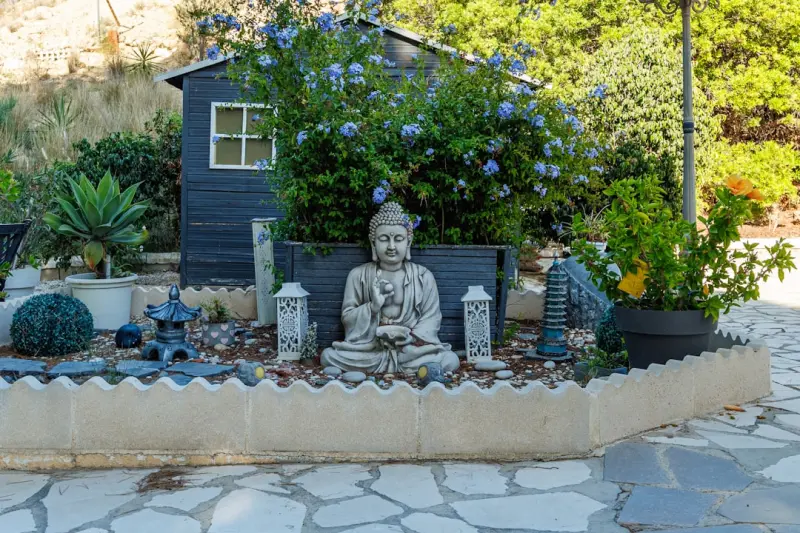
Why a Seasonal Sanctuary Matters
Creating a garden that shifts its character with each passing season offers more than aesthetic pleasure; it becomes a living backdrop for daily rituals, inviting you to pause and notice subtle changes that echo the rhythm of nature. When plants bloom, fade, and re‑emerge, they cue moments of reflection that can soften the noise of a busy household, turning ordinary chores into opportunities for quiet observation. To capture these fleeting transformations, consider keeping a visual diary or even linking your garden’s timeline to a personal memory archive that celebrates each petal and leaf.
Choosing Plants That Thrive Year‑Round
Selecting a palette of resilient species is the foundation of a garden that feels alive in winter, spring, summer, and fall, and it starts with understanding hardiness zones and micro‑climates within your own yard. Incorporate evergreen shrubs for structure, late‑blooming perennials for autumn color, and hardy bulbs that push through the cold to herald spring’s arrival, ensuring that there is always something worth noticing. By pairing these choices with native grasses that sway in the wind, you create a dynamic tableau that offers both stability and surprise throughout the year.
Layered Textures for Visual Interest
Texture is the secret language of a garden, speaking through the rustle of ferns, the smooth sheen of stone, and the delicate feathering of ornamental grasses, each element adding depth that can be felt as well as seen. When you arrange plants in layers—groundcover, mid‑height foliage, and towering accents—you invite the eye to travel and the mind to linger, discovering new details with each walk. This tactile richness also encourages wildlife, drawing pollinators and birds that further animate the space.
Water Features That Whisper
A subtle water element, such as a shallow pebble basin or a quietly bubbling fountain, introduces a soothing acoustic layer that can mask urban din and create a tranquil sanctuary for meditation or casual conversation. Position the feature near seating to amplify the calming effect, allowing the gentle splash to become a backdrop for reading, sipping tea, or simply breathing in the scent of nearby blossoms. By using reclaimed stones and low‑flow pumps, you also keep the installation environmentally responsible.
DIY Seating Nooks
Crafting intimate corners for rest and reflection doesn’t require a professional landscaper; reclaimed wooden pallets, repurposed barrels, or simple stone steps can transform an overlooked patch into a welcoming retreat. When you design these nooks, consider ergonomics—think of the principles outlined in posture reset guides—to ensure that cushions and backrests support a relaxed yet supportive posture for longer stays. Adding weather‑resistant cushions in muted tones invites you to linger with a book or a cup of coffee, turning the garden into an extension of your living room.
Sustainable Practices for the Eco‑Conscious Gardener
Embracing sustainability in the garden means selecting rain‑water harvesting systems, mulching with organic waste, and composting kitchen scraps to nourish the soil, creating a closed‑loop ecosystem that reduces reliance on external inputs. By planting a diversity of species, you build resilience against pests and disease, minimizing the need for chemical interventions and fostering a healthier habitat for beneficial insects. These practices not only protect the environment but also deepen your connection to the land, reinforcing the garden’s role as a living classroom.
Integrating Indoor‑Outdoor Flow
Seamlessly blending the interior of your home with the garden outside expands living space and encourages a continuous dialogue between indoor comfort and outdoor vitality. Large sliding doors, glass walls, or simple folding panels can dissolve boundaries, allowing natural light, fresh air, and the scent of blooming roses to permeate your living room. Complement this transition with indoor plants that echo the exterior palette, creating visual continuity that makes the entire property feel cohesive and intentional.
Personal Touches That Tell Your Story
Infusing the garden with elements that reflect your personal history—hand‑painted ceramic pots, heirloom seed varieties, or a reclaimed family bench—turns the space into a narrative tapestry that celebrates your journey. These bespoke details act as conversation starters for guests and reminders of cherished moments for you, fostering a deeper emotional bond with the surroundings. To elevate the sensory experience, draw inspiration from sensory‑first rituals, incorporating fragrant herbs, textured pathways, and soft lighting that engage sight, smell, touch, and sound.
Maintaining the Magic Through the Seasons
Regular care is the ritual that keeps the garden’s magic alive, and it begins with a seasonal calendar that outlines pruning, feeding, and planting tasks aligned with each plant’s natural cycle. Set aside time each month to walk the space, assess soil moisture, and remove spent blooms, allowing new growth to flourish without competition. By treating maintenance as a mindful practice rather than a chore, you ensure that the garden remains a vibrant, ever‑changing sanctuary that continues to nurture both body and spirit.

Laura Wilson is a freelance writer specializing in the dynamic and ever-evolving field of health. With a passion for translating complex medical information into accessible and engaging content, Laura brings a wealth of knowledge and a fresh perspective to topics ranging from preventative care and nutrition to cutting-edge research and innovative treatments.
Related Posts

Edible Landscaping: How to Grow a Beautiful, Productive Garden That Feeds Your Table
A fresh look at turning your outdoor space into a thriving edible landscape that’s as stunning as ... Read More
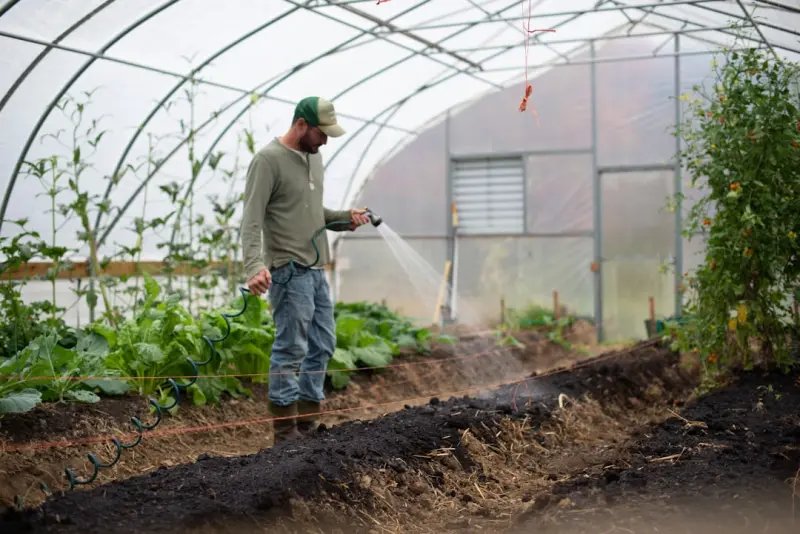
Cultivating Climate‑Smart Gardens: Small‑Space Strategies for a Resilient Home
Discover how to turn any balcony, yard, or rooftop into a climate‑smart garden using native plants... Read More
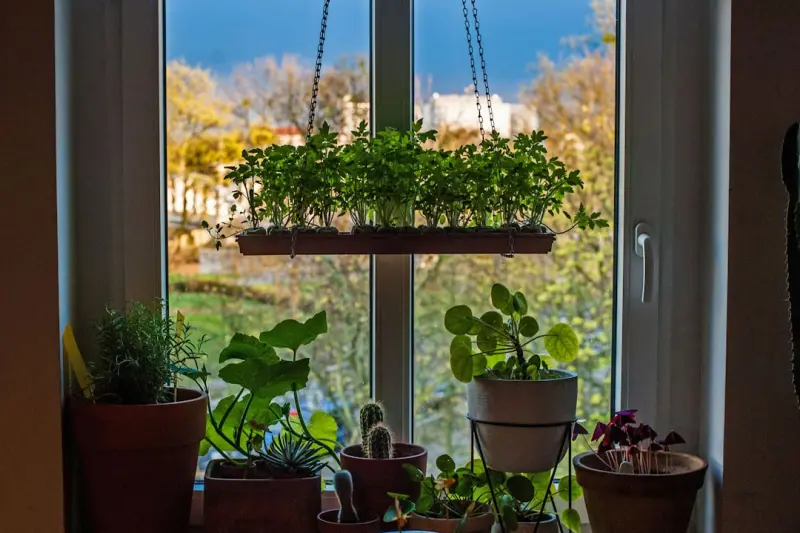
Vertical Gardens: Transforming Small Spaces into Lush Living Walls
Learn step‑by‑step how to create a living wall in compact spaces—covering plant selection, DIY... Read More
Top Posts

Why the No‑Mow Lawn Is the Next Big Thing for Sustainable Homeowners
A no‑mow lawn swaps high‑maintenance grass for resilient groundcovers, offering eco‑friendly, water‑saving, and aesthetically pleasing yards that requir...Read More

Strategic Sabbaticals: Turning Time Off into Talent Gains
A deep dive into why strategic sabbaticals are becoming essential for modern employers, outlining benefits, implementation steps, and real‑world success stori...Read More

Silent Allies: Harnessing Scent and Sound for a Healthier Home
Learn how to turn ordinary rooms into purpose‑driven spaces by using scent layering and acoustic tweaks, boosting focus, creativity, and calm without expensiv...Read More

Unlocking Mental Resilience Through Soundscapes and Storytelling
Explore the science behind soundscapes and storytelling as powerful, low‑tech tools for mental health, with practical routines and community ideas to enhance ...Read More
0 Comments
Post Comment
You will need to Login or Register to comment on this post!