
Why a Minimalist Bathroom Is the Secret Weapon for Modern Personal Care
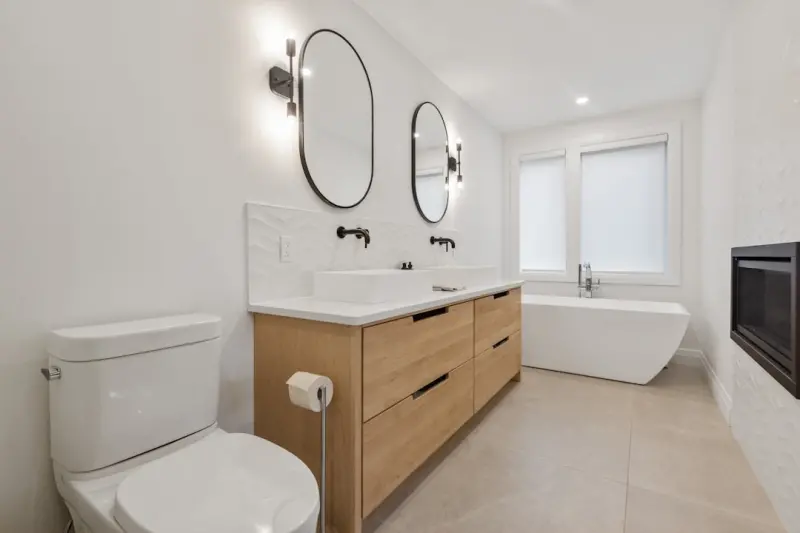
When I first stood in a bathroom that looked like a showroom—clean lines, neutral tones, and only the essentials on the counter—I felt an unexpected wave of calm. The space didn’t shout for my attention; instead, it whispered, “Take a breath, enjoy this moment.” That whisper turned into a daily ritual that reshaped how I approach everything from skincare to morning stretches. In a world saturated with gadgets, fragrances, and endless product choices, a minimalist bathroom forces you to strip away the noise and focus on the core of personal care: you.
The Psychology Behind Space and Self‑Care
Our environment subtly influences our habits. A cluttered sink can trigger stress, while an open, airy vanity invites mindfulness. Research shows that visual simplicity reduces cortisol levels, allowing the brain to shift from “survival mode” to “self‑care mode.” When the bathroom becomes a sanctuary rather than a storage unit, every brushstroke and splash feels intentional.
It’s not just about aesthetics; it’s about creating a functional canvas for the rituals that keep us grounded. Think of the bathroom as a stage where you are both the performer and the audience. The set design—your fixtures, lighting, and storage—determines how gracefully you can move through each act of your routine.
Step 1: Declutter with Purpose
Before you buy a new faucet or install floating shelves, start with a purge. Ask yourself:
- Do I use this product daily, or does it sit untouched for months?
- Can two items be combined into one (e.g., a 2‑in‑1 cleanser and moisturizer)?
- Is the packaging recyclable or reusable?
Instead of following the Zero‑Waste Personal Care playbook to the letter, use it as a mindset: keep only what serves a purpose or brings genuine joy.
Pro tip: Store discarded containers in a dedicated recycling bin inside the bathroom. When the bin fills, you’ve got a natural cue to reassess what truly belongs on the counter.
Step 2: Curate the Essentials
Identify the core trio of any personal care routine: cleansing, treatment, and protection. For skin, that might be a gentle cleanser, a serum, and a moisturizer with SPF. For hair, a sulfate‑free shampoo, a conditioning mask, and a leave‑in serum. By limiting yourself to three well‑chosen products per category, you reduce decision fatigue and free up space for what matters most—consistent use.
When you’ve narrowed your lineup, place each item where it will be used most efficiently. A sleek glass dispenser by the sink for daily cleanser, a small tray on the vanity for weekly treatments, and a hanging rack for towels ensure that every motion feels fluid.
Step 3: Choose Fixtures That Speak Calm
Modern minimalist fixtures prioritize clean lines and tactile comfort. Look for:
- Matte black or brushed brass finishes that hide water spots.
- Soft‑close drawers that eliminate the “slam” noise, preserving a tranquil atmosphere.
- Wall‑mounted faucets that free up counter space, turning the sink into a runway for your morning routine.
Even lighting matters. Instead of harsh fluorescent bulbs, opt for smart lighting that mimics natural sunrise in the morning and a warm amber glow at night. The gentle transition cues your body’s circadian rhythm, making it easier to wake up refreshed and wind down peacefully.
Step 4: Integrate Thoughtful Storage Solutions
Every item needs a home, but not every home needs a visible shelf. Consider the following storage ideas that keep the bathroom looking airy while remaining functional:
- Floating wall shelves—perfect for small jars, brushes, and a weekly face mask.
- Hidden cabinets beneath the vanity for bulkier items like towels and extra toiletries.
- Magnetic strips on the back of the door for metal tools (e.g., tweezers, nail clippers).
- Clear acrylic organizers that let you see what’s inside without opening every drawer.
When you can see everything at a glance, you’re less likely to over‑purchase “just in case.” The visual clarity also reduces the mental load of hunting for a misplaced brush or bottle.
Step 5: Add a Sensory Anchor, Not a Sensory Overload
A minimalist bathroom doesn’t have to be sterile. Introduce one or two sensory anchors that signal the start and end of your routine:
- A small indoor plant—a succulent or air‑plant thrives on minimal care and adds a touch of green.
- A ceramic diffuser with a single drop of essential oil (e.g., eucalyptus) for a subtle scent.
- A bamboo or stone soap dish that feels cool to the touch, grounding you each time you wash your hands.
The key is to keep these elements simple and purposeful. If you find yourself adding more and more “nice‑to‑have” items, you risk diluting the minimalist ethos.
Step 6: Create a Ritual Flow
Now that the space is set, map out a flowchart of your routine. The goal is to minimize back‑and‑forth movement. For instance:
- Start at the sink: cleanse, tone, and moisturize.
- Move to the shower: quick 5‑minute steam to open pores, followed by a brief exfoliation.
- Return to the vanity for post‑shower serum and sunscreen.
- Finish with a brief stretch by the mirror, inhaling the scent from your diffuser.
This choreography turns a series of tasks into a smooth, almost meditative dance. The fewer steps you have to think about, the more mental space you free up for genuine relaxation.
Step 7: Reflect and Refine Quarterly
Minimalism isn’t a one‑time project; it’s a habit loop. Every three months, revisit your bathroom with the same questions you asked during the initial purge. Seasonal changes might prompt you to swap a cooling mist for a richer night cream, but the core principle—keep only what serves you—remains unchanged.
If you notice that a product is gathering dust, consider a “trial period”: use it for one week, then decide. This prevents the “buy‑and‑forget” cycle that many of us fall into when we’re tempted by shiny packaging or limited‑time offers.
Case Study: From Chaos to Calm
I recently helped a friend, Maya, who owned a small boutique consulting firm. Her bathroom resembled a mini‑pharmacy: multiple shampoos, five facial cleansers, and a shelf of half‑used masks. The clutter made her morning routine feel like a chore, and she often skipped skincare altogether.
We applied the minimalist framework:
- Reduced her product list from 20 items to 9, focusing on multi‑use formulas.
- Installed a floating shelf and magnetic strip to free up counter space.
- Replaced harsh fluorescent lighting with a warm LED fixture that adjusted throughout the day.
- Added a single eucalyptus diffuser as a calming anchor.
After two weeks, Maya reported a 30% reduction in time spent prepping for work, and she began looking forward to her “5‑minute mirror moment.” Her skin also cleared up, proving that fewer, better‑chosen products can outperform a cluttered arsenal.
Her story underscores a larger truth: a minimalist bathroom isn’t just an aesthetic choice—it’s a catalyst for better health, sharper focus, and a heightened sense of self‑respect.
Integrating Tech Thoughtfully (Without Over‑Tech‑ing)
While the minimalist ethos champions simplicity, certain low‑impact technologies can enhance the experience without overwhelming the space:
- Bluetooth‑enabled toothbrushes that track brushing duration and pressure.
- Water‑saving shower heads with adjustable flow settings.
- Smart mirrors that display humidity levels and suggest optimal skin‑care steps based on real‑time data.
These tools should serve the ritual, not dominate it. If you find yourself scrolling through apps while brushing your teeth, you’ve crossed the line from helpful to distracting.
Looking Beyond the Bathroom: The Whole‑Home Personal Care Ecosystem
A minimalist bathroom works best when the rest of your home follows suit. For instance, the hidden potential of a well‑organized hallway can set the tone for an organized bathroom. A clear entryway, a tidy laundry room, and a decluttered bedroom all reinforce the habit of mindful self‑care.
When every touchpoint in your daily flow feels intentional, your bathroom becomes the centerpiece of a larger, harmonious routine.
Final Thoughts: Embrace the Beauty of Less
Personal care isn’t about accumulating the newest serum or the flashiest gadget; it’s about creating a space where you can show up for yourself every day. A minimalist bathroom offers a canvas that strips away distractions, allowing you to focus on the moments that truly matter.
By curating your essentials, choosing calm‑inducing fixtures, and building a seamless ritual flow, you transform a functional room into a sanctuary for the body and mind. In the quiet of a tidy bathroom, the whisper you once heard becomes a clear call to nurture yourself—one intentional step at a time.

Lauren Miller is a true outdoors enthusiast who has found her passion in the trades. When she's not working hard on the job, you can find her writing, camping, fishing, and exploring all that nature has to offer. A dedicated partner to her wife Beth, Lauren loves nothing more than spending quality time together and experiencing the great outdoors side by side.
Related Posts

Syncing Skincare with Your Body’s Natural Clock: A Rhythm‑Based Routine
Learn how timing your skincare steps to your body’s natural clock can boost product efficacy, enha... Read More

Smart Personal Care: How Connected Devices Are Redefining Our Daily Routines
Laura Wilson shares her hands‑on experience with smart mirrors and connected grooming tools, revea... Read More
Micro‑Mobility: The Quiet Revolution in Personal Care
Micro‑Mobility turns everyday motion into a powerful personal care tool. Learn simple stretches, p... Read More
Top Posts

Travel as a Personal Branding Expedition: Crafting Your Professional Narrative on the Road
A fresh look at travel, this post shows how journeys can be leveraged to shape your personal brand, build authentic connections, and turn experiences into caree...Read More
Cultivating Productivity: How Garden Desks Transform Home Life
A garden desk isn’t just furniture; it’s a lifestyle upgrade that merges work, wellness, and the outdoors into one inspiring home hub....Read More
Why Outdoor Workspaces Are Changing the Way We Work
Explore the shift from cubicles to garden desks, the science behind nature‑driven productivity, and practical steps to create a backyard office that transform...Read More

Beyond the Itinerary: Crafting Community‑Centric Travel Experiences
Discover a fresh travel model that transforms trips into collaborative, purpose‑driven experiences, fostering professional growth and authentic local connecti...Read More
0 Comments
Post Comment
You will need to Login or Register to comment on this post!