
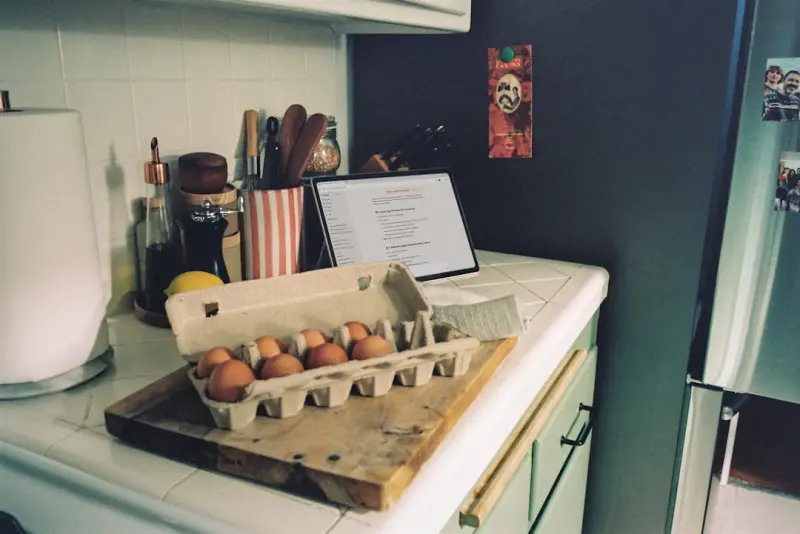
Rewire Your Home’s Atmosphere: Practical Hacks to Boost Mood, Focus, and Energy
When I first moved into a cramped downtown loft, I thought a fresh coat of paint and a few plants would magically turn the space into a sanctuary. Spoiler alert: they helped, but the real transformation happened when I started treating my home like a living, breathing organism—one that could be tuned to support the way I feel and work each day. Below is the playbook I’ve built from trial, error, and a dash of curiosity. These are actionable home tips you can implement this weekend, no interior‑designer degree required.
1. Light It Right: The Science of Illumination
Light does more than help you find the TV remote. It regulates circadian rhythms, influences hormone production, and can even sharpen cognitive performance. Here’s how to harness it:
- Layered Lighting. Combine ambient (general ceiling fixtures), task (desk lamps, under‑cabinet lights), and accent lighting (LED strips, floor‑lamps) to create zones that match the activity. A bright, cool‑white task lamp for reading or work, and a warm, dimmable fixture for winding down.
- Embrace Natural Light. Position workstations near windows. If privacy is a concern, sheer curtains diffuse the sunlight while preserving privacy. In rooms without windows, consider a daylight‑simulating LED panel that mimics the sun’s spectrum.
- Control Color Temperature. Use smart bulbs that shift from 5000 K (energizing) in the morning to 2700 K (relaxing) after sunset. This simple switch can reduce the need for caffeine and improve sleep quality.
Pro tip: Install a timer or use voice assistants to automate the transition. You’ll feel the difference before you even notice the change in hue.
2. Color Your Mood: Strategic Paint Choices
Color psychology is not a new buzzword, but it’s often misunderstood. Rather than painting the entire house teal because it’s “calming,” match hues to the purpose of each room:
- Productivity Zones. Soft blues and muted greens reduce anxiety and promote concentration. A light aqua accent wall in a home office can create a “focus field” without feeling sterile.
- Relaxation Areas. Warm neutrals, soft pinks, or muted lavender help lower heart rate. In the bedroom, a gentle rose quartz tone can signal your brain that it’s time to unwind.
- Social Spaces. Vibrant corals, sunny yellows, or rich terracotta foster conversation and energy. A bold accent wall in the living room can become a conversation starter—both visually and socially.
When choosing paint, opt for low‑VOC (volatile organic compounds) formulations. They’re better for indoor air quality and align with the conscious air movement gaining traction in urban homes.
3. Sound Management Without Soundscaping
While soundscaping is a great strategy, there are low‑tech ways to tame noise that don’t require a full acoustic overhaul:
- Soft Furnishings. Thick rugs, upholstered chairs, and heavy curtains absorb echo. A simple 6‑foot rug in a high‑traffic hallway can cut reverberation by up to 30%.
- White Noise Alternatives. A small tabletop fountain creates gentle water sounds that mask street noise while adding humidity—a win‑win for comfort.
- Door Sweeps & Weatherstripping. Seal gaps around doors and windows. It’s a cheap fix that dramatically reduces outside traffic noise and drafts.
4. Declutter With Purpose: The “One‑In‑One‑Out” Rule
Clutter is the silent energy drain in most homes. Instead of a full‑blown Marie‑Kondo purge, try the “One‑In‑One‑Out” rule: for every new item you bring home, remove an existing one. This habit keeps accumulation in check without the guilt of massive sorting sessions.
Apply it strategically:
- Kitchen. If you buy a new gadget, donate an older one you rarely use.
- Closet. When you add a seasonal piece, set aside an item you haven’t worn in the past year for donation.
- Home Office. Swap out an old notebook for a digital note‑taking app, then recycle the paper stack.
Result? A lighter visual environment that naturally feels more spacious and less stressful.
5. Biophilic Touches Without a Garden
Bringing nature indoors does more than improve aesthetics; it can lower blood pressure and boost creativity. If you don’t have a backyard, try these low‑maintenance biophilic hacks:
- Air‑Purifying Plants. Snake plants, ZZ plants, and pothos thrive in low light and filter pollutants.
- Living Walls. A small vertical planter with succulents adds texture without eating floor space.
- Nature‑Inspired Textiles. Linen curtains, jute rugs, and wooden furniture echo natural materials and create a grounded vibe.
For a deeper dive into using nature to stimulate creativity, check out The 7 Hidden Ways Your Home Can Work for Your Creativity—a companion read that explains the science behind these choices.
6. Energy Efficiency That Saves Money and Mood
Energy‑hungry homes often create an invisible stressor: rising utility bills. A few small adjustments can dramatically improve efficiency:
- Smart Thermostats. Program them to lower the temperature a few degrees at night and when you’re out. Many models also learn your schedule and adjust automatically.
- Seal & Insulate. Weatherstrip doors, add door sweeps, and seal window frames with caulk. A well‑sealed home maintains temperature, reducing HVAC strain.
- LED Lighting. Swap out incandescent bulbs for LEDs; they use up to 80% less energy and last longer, freeing up maintenance time.
When your home runs more efficiently, you’ll notice a calmer atmosphere—no frantic trips to the utility office, just a steady sense of control.
7. Flexible Furniture for Multi‑Purpose Living
Even if you’re not living in a tiny space, flexibility can transform how you experience your home. Consider these dual‑purpose pieces:
- Fold‑Down Desk. Mount a wall‑mounted desk that folds away when not in use, freeing floor space for yoga or dance.
- Ottoman with Storage. Acts as a footrest, extra seating, and a hidden stash for blankets or toys.
- Modular Sofa. Rearrange sections to create a lounge, a guest bed, or an informal meeting area.
These pieces keep rooms adaptable, allowing you to shift from work mode to relaxation with a single move.
8. Scent as a Subtle Mood Modifier
While we won’t dive into the full “scent‑driven personal care” trend, a light, strategic use of aroma can reinforce the atmosphere you’re trying to create:
- Citrus for Energy. A lemon or orange essential oil diffuser in the morning can boost alertness.
- Lavender for Calm. Place a lavender sachet near the bedside to encourage relaxation.
- Eucalyptus for Clarity. A few drops in the bathroom during a shower can open up sinuses and sharpen focus.
9. Digital Declutter: Taming the Virtual Clutter
Physical organization is only half the battle. Screens, notifications, and endless tabs create a mental fog. Apply a “digital declutter” routine:
- Inbox Zero. Allocate 15 minutes each evening to archive or delete non‑essential emails.
- Tab Limiter. Use a browser extension that caps open tabs at five; anything beyond goes to a “Read Later” folder.
- Device Zones. Designate phone‑free zones (dining table, bedroom) to encourage face‑to‑face interaction.
When your digital space mirrors the calm of your physical home, the overall sense of wellbeing amplifies.
10. Personal Rituals That Anchor Your Day
Finally, embed tiny rituals that signal transitions between activities. A simple habit—like lighting a candle before you start work or stretching for two minutes after dinner—creates mental bookmarks that help you shift gears without feeling scattered.
These micro‑rituals don’t need a grand stage; they’re most effective when paired with the physical changes above. The synergy between environment and habit is what truly re‑engineers your home’s impact on your life.
Putting It All Together: A Sample Day
To illustrate, here’s how a typical weekday could flow with these tips in action:
- Morning Light Boost. Open curtains, let natural light flood the bedroom, and switch your smart bulbs to a cool 5000 K setting.
- Focused Work. Sit at a fold‑down desk bathed in soft blue paint, with a plant on the windowsill and a citrus diffuser humming quietly.
- Midday Reset. Close the laptop, stretch in the living area, and swap to a warm 2700 K lamp as you enjoy a quick lunch.
- Evening Wind‑Down. Dim the lights, light a lavender candle, and tuck away the desk, revealing a yoga mat for a brief session.
- Nighttime Calm. Lower the thermostat, switch all LEDs to a warm glow, and let a gentle white‑noise fountain lull you to sleep.
The result? A home that works with you, not against you—enhancing mood, sharpening focus, and conserving energy.
Ready to start? Pick one of the hacks above, set a timer for 15 minutes, and make the change. Small steps compound into a home that truly feels like a personal sanctuary.

Shawn DesRochers is a certified Microsoft technician and Programmer with 30+ year's experience. He has written many reviews on computer related products, software, and SEO related topics. When he's not writing reviews he can be found at one of the Oldest Directories Online Blogging Fusion Business Directory which he is the CEO of.
Related Posts

Creating Calming Nooks: Low‑Tech Strategies for Home Focus
A practical guide to crafting low‑tech calming corners in your home, using everyday items and mind... Read More

Turning Your Home into a Sensory Sanctuary: Small Tweaks, Big Comfort
Explore how subtle changes in texture, aroma, lighting, and sound can turn any space into a soothing... Read More
The Home Power Grid: Turning Every Room Into a Productivity Hub
Learn how to map energy zones, wire your space with smart tools, and design a flexible home power gr... Read More
Top Posts
From Trash to Treasure: Upcycling Everyday Items into Garden Art and Function
Learn practical, budget‑friendly ways to turn discarded objects into beautiful, functional garden features, from DIY water installations to upcycled porch mak...Read More

From Drab to Fab: Transform Your Balcony into a Lush Vertical Garden
Discover step‑by‑step tips to convert your balcony into a vibrant vertical garden that feeds your kitchen and delights the senses....Read More

Designing a Rain Garden: Beauty, Function, and Climate Resilience
Discover the art and science of rain gardens—turn stormwater into a thriving oasis that enhances beauty, supports wildlife, and boosts climate resilience in y...Read More
Why My Garden Desk Became My Best Employee Perk
A personal look at how swapping a cubicle for a garden desk transforms productivity, mental health, and workplace culture—plus practical tips to start your ow...Read More
0 Comments
Post Comment
You will need to Login or Register to comment on this post!