

Why a Calming Nook Deserves a Spot in Your Home
In a world where every room seems to be competing for our attention—smart TVs, endless notifications, and open‑plan chaos—it’s easy to feel mentally crowded. I’ve learned, through years of trial and error, that the most powerful productivity boosters aren’t always the newest gadgets. They’re often the quiet, intentional spaces we carve out for ourselves. A calming nook is a deliberately modest corner where the visual, auditory, and tactile elements work together to lower stress and sharpen focus. It’s not a luxury; it’s a strategic home‑based habit that can improve both personal well‑being and professional output.
The Core Principles of a Low‑Tech Nook
Before we dive into the specifics, let establish three guiding principles that keep the design grounded, affordable, and sustainable:
- Simplicity Over Sophistication – Choose items that serve a purpose beyond decoration. A simple wooden stool can be a seat, a plant stand, and a reminder to stay grounded.
- Nature Integration – Even if you live in an apartment, a touch of greenery or natural material introduces a subtle, calming rhythm.
- Intentional Boundaries – The nook should feel separate from the rest of the room. Visual cues like a different rug or a low bookshelf create that boundary without walls.
Step‑by‑Step Blueprint for Building Your Nook
Below is a practical, step‑by‑step approach that anyone can follow, regardless of square footage or budget.
1. Spot the Sweet Spot
Identify a corner that gets natural light, even if it’s just a sliver from a window. If sunlight is scarce, a lamp with a warm‑white bulb can emulate daylight. The key is to avoid high‑traffic zones—think away from the kitchen doorway or the TV stand.
2. Define the Floor Space
A small area rug (about 3×5 feet) instantly signals a distinct zone. Choose a texture that feels good underfoot—jute, low‑pile cotton, or a soft felt. The rug also helps absorb sound, making the nook quieter.
3. Choose a Seating Solution
Don’t overthink the chair. A floor cushion or a low‑profile pouf works wonders. If you prefer a higher seat, an old wooden crate turned on its side can serve as a sturdy, rustic stool. The goal is comfort without the need for an ergonomic office chair.
4. Add a Light Touch
A single source of warm light—like a soft amber lamp—creates a soothing atmosphere and reduces eye strain. Avoid harsh fluorescents; they signal “work” rather than “relax.”
5. Integrate Natural Elements
Plants are the unsung heroes of focus. A pothos, snake plant, or even a small herb garden on the windowsill adds oxygen, a dash of color, and a reminder of growth. If you lack a green thumb, a vase of dried lavender or eucalyptus still provides a subtle natural scent.
6. Curate Minimalist Décor
Only keep items that spark joy or serve a purpose. A small stack of your favorite books, a journal, and a ceramic mug can become the essential trio. Avoid clutter—each object should have a clear reason to exist in that space.
7. Personalize with Senses
Touch: A soft throw blanket invites you to settle in.
Sound: A tiny wind chime or a small Bluetooth speaker set to nature sounds can mask background noise.
Smell: A diffused essential oil (like peppermint for alertness or chamomile for calm) adds an olfactory layer that reinforces the nook’s purpose.
8. Set a Usage Routine
Designating the nook for a specific activity—reading, journaling, meditation, or quick brainstorming—creates mental conditioning. When you sit down, your brain automatically shifts into that mode.
Low‑Tech Tools That Supercharge Your Nook
Even without high‑tech gadgets, a few simple tools can make the experience richer.
- Analog Timer – A kitchen timer or sandglass helps you practice focused intervals (e.g., the Pomodoro method) without a phone’s distractions.
- Paper Planner – The tactile act of writing tasks on paper reinforces memory and reduces digital fatigue.
- Whiteboard or Chalkboard – A small, wall‑mounted board lets you jot quick ideas, to‑do lists, or inspirational quotes.
How a Calming Nook Enhances Professional Life
Working from home often blurs the line between personal and professional spaces. A dedicated nook provides a clear mental “switch.” Studies show that even brief periods of low‑stimulus environments can improve concentration, reduce cortisol levels, and increase creative output. By stepping into your nook for 10‑15 minutes before a video call or a deep‑work session, you signal to your brain that it’s time to transition into focus mode.
Integrating the Nook into a Larger Home‑Wellness System
While the nook stands on its own, it works beautifully with other home‑wellness practices. For instance, pairing a calming corner with a sustainability mindset means you might choose recycled furniture or upcycled décor, reinforcing an eco‑friendly narrative throughout your living space.
Common Pitfalls and How to Avoid Them
- Over‑Decorating – More isn’t always better. A cluttered nook defeats its purpose. Stick to a “three‑item rule” (seat, light, nature element) and add extras only if they truly enhance the experience.
- Neglecting Light – Dark corners feel uninviting. If natural light is limited, invest in a quality lamp with a dimmer.
- Ignoring Maintenance – Dust, wilting plants, or a stale scent can erode the nook’s benefits. Schedule a quick weekly tidy‑up to keep the space fresh.
Real‑World Success Stories
Here are a couple of anecdotes from readers who transformed tiny corners into powerful productivity hubs:
- Emily, a freelance writer turned a narrow hallway corner into a “word‑cave” with a floor cushion, a small desk lamp, and a potted rosemary plant. She reports a 30% increase in daily word count because the space signals “write now.”
- Mark, a remote software engineer used a reclaimed wooden pallet as a low table for his laptop and placed a sand timer on top. The ritual of flipping the timer before each coding sprint has helped him stay on task without checking his phone.
Future‑Proofing Your Nook
Even a low‑tech space can evolve with your needs. Consider these adaptable ideas:
- Modular Storage – Stackable cubes let you add or remove shelves as your collection of books or tools grows.
- Seasonal Swaps – Rotate scents, blankets, and plant varieties to keep the environment fresh and aligned with your mood.
- Digital Detox Hours – Schedule “no‑screen” periods in your nook to reinforce its low‑tech identity.
Final Thoughts: The Power of Intentional Simplicity
Creating a calming nook isn’t about buying the latest smart device or redesigning your entire home. It’s about recognizing that even the smallest, most modest corner can become a sanctuary for focus, creativity, and mental reset. When you approach the space with intentional simplicity, you give yourself a tangible tool for navigating the relentless pace of modern life.
Start today—pick a corner, add a cushion, a lamp, and a plant. In just a few minutes, you’ll have a personal haven that quietly supports your professional aspirations and personal well‑being.

Armed with a degree in English Literature, Jill’s journey into the digital space wasn't just a career move; it was a natural extension of her lifelong love affair with storytelling. While some writers view search engine optimization (SEO) as a rigid constraint, Jill sees it as a creative puzzle. She understands the delicate art of balancing the algorithmic demands of search engines with the human desire for resonance, emotion, and value. To Jill, keywords aren't just targets to hit; they are the breadcrumbs that lead eager readers straight to the answers they’ve been searching for.
Related Posts

Turn Your Bathroom into a Budget Spa Retreat
Discover step‑by‑step tips to create a budget‑friendly spa‑inspired bathroom, from lighting ... Read More
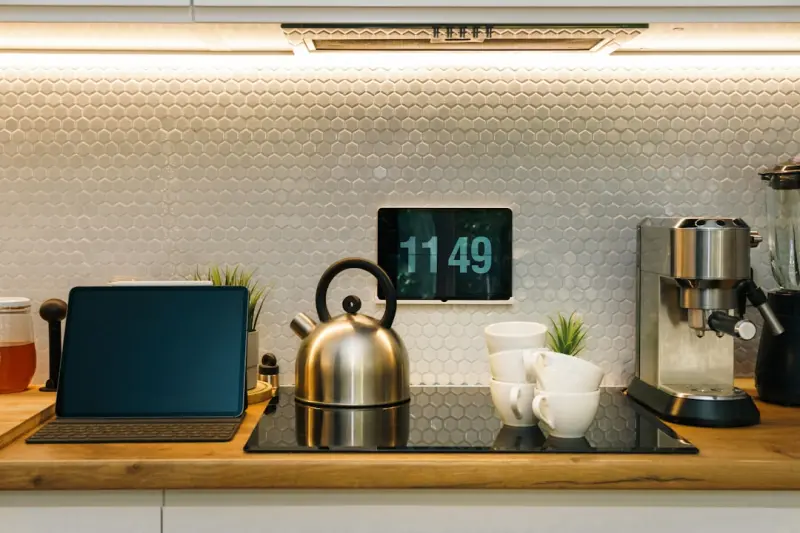
Smart Home Energy Hacks for Everyday Comfort
Learn practical, low‑cost home energy hacks—from natural light tricks to smart thermostat secret... Read More
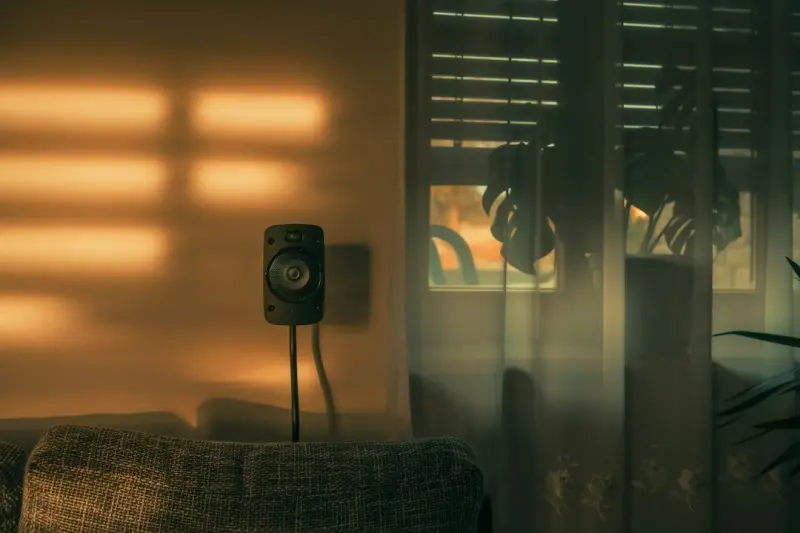
Silence at Home: Practical Acoustic Hacks for Every Room
Learn how to transform any room into a quieter, more comfortable space with simple acoustic upgrades... Read More
Top Posts

How Employee Resource Groups Can Supercharge Your Career
Explore the untapped power of Employee Resource Groups as strategic career accelerators, offering networking, skill development, and promotion pathways....Read More

Taste the Journey: A Food‑First Approach to World Travel
Explore travel through the palate, learning to map flavors, shop smart at local markets, and savor authentic dishes while staying light on luggage and heavy on ...Read More
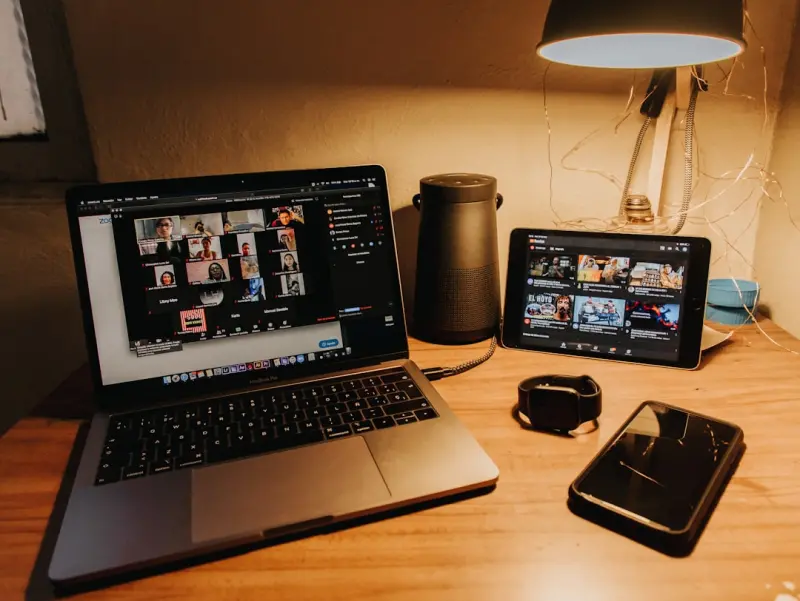
Why Remote‑First Hiring Hubs Are Redefining the Talent Landscape
Explore the rise of remote‑first hiring hubs, where geography fades, culture thrives, and performance metrics shift to value‑driven outcomes, unlocking glob...Read More

Traveling with Your Ears and Nose: Crafting a Sensory Diary on the Road
Discover a fresh travel approach that uses sound and scent to build lasting memories, with practical tips, tools, and inspiring examples for creating your own s...Read More
0 Comments
Post Comment
You will need to Login or Register to comment on this post!