

Balcony Transformation Basics
Standing on my cramped city balcony with a mug of cold brew, I realized that the only thing missing was a burst of life that could survive the wind‑blown concrete and still feel like a private oasis; this epiphany sparked a mission to turn a forgettable slab of stone into a thriving vertical herb garden that feeds both the palate and the soul, and I’m here to spill the exact steps that turned my modest ledge into a green‑fingered showcase without a single trip to a nursery. The plan was simple yet daring: leverage every inch of vertical space, choose plants that love the sun‑drenched micro‑climate, and embed low‑maintenance solutions that let me water once a week and still reap a bounty of fresh flavor for my kitchen creations.
Assessing Light, Wind, and Space
The first move was to map out the balcony’s sun exposure hour‑by‑hour, because a garden that gets six to eight bright hours will reward me with robust growth, while shady corners become perfect spots for shade‑loving ferns or ornamental grasses that add texture without competing for light; I taped a sunny‑spot chart on the rail, noted the wind corridors, and marked the exact inches where railings could hold hanging pots without risking a tumble. With this data in hand, I selected a mix of narrow‑width railing planters, wall‑mounted pocket modules, and a few sturdy, reclaimed wooden pallets that could double as a living wall, ensuring that each vertical tier catches a slice of sunlight while the lower tier remains sheltered from gusts. This strategic placement not only maximizes the growing area but also creates a layered visual effect that feels expansive, even on a balcony no larger than a studio bedroom.
Choosing the Right Soil and Watering System
Because balcony containers dry out faster than ground beds, I blended a lightweight, well‑draining mix using coconut coir, perlite, and a dash of compost to retain just enough moisture for the roots while preventing soggy conditions that invite rot; the secret is a “sandwich” approach—layering coarse gravel at the bottom for drainage, a middle layer of the soil blend, and a thin top layer of mulch to slow evaporation and keep the soil temperature stable during hot afternoons. To simplify watering, I installed a drip‑feed line that hooks onto a small rain barrel placed on the balcony floor, delivering a slow, consistent trickle that mimics natural rain, which means I can set a timer and walk away knowing the plants receive the precise amount of hydration they need without overwatering—a common pitfall for balcony growers.
Plant Selection for Flavor and Pollinators
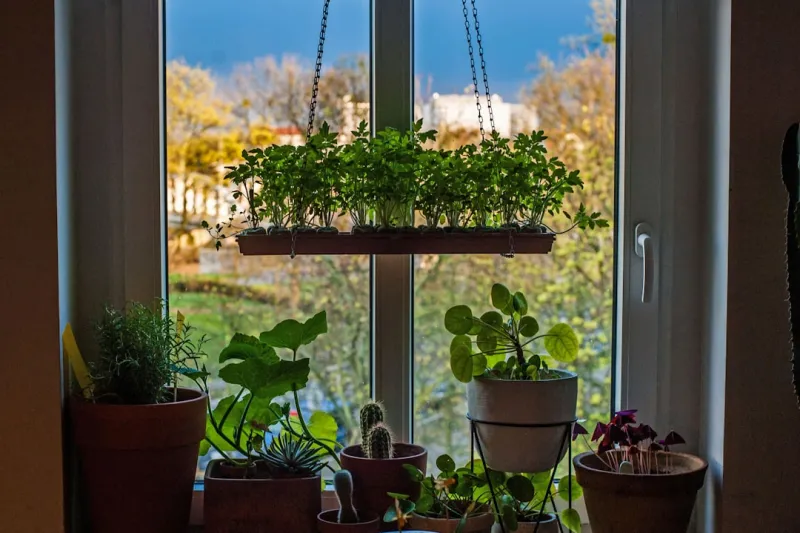
My plant roster reads like a chef’s pantry crossed with a pollinator’s dream: basil, thyme, and oregano sit beside bright‑colored nasturtiums that not only add a peppery kick to salads but also lure bees and butterflies, while compact dwarf tomatoes and chilies thrive in deep containers, delivering fresh produce at arm’s reach; I also included low‑maintenance succulents like sedum and hens‑and‑chicks to provide texture and serve as a drought‑tolerant backdrop that doesn’t compete for nutrients. The key is to choose varieties that stay compact, have shallow root systems, and can handle occasional wind, ensuring the garden stays tidy and productive without sprawling into a chaotic jungle that overwhelms the limited railing space.
Building a Vertical Planter with Upcycled Materials
To bring the garden vertical, I repurposed an old wooden pallet I rescued from a demolition site, sanding it down and treating it with a natural sealant to resist the elements, then I drilled strategic drainage holes and attached a series of landscape‑fabric sleeves that act as pockets for soil and plants; this DIY vertical planter became the centerpiece of my balcony, and the process reminded me of the satisfaction of Upcycled furniture ideas that turn discarded items into functional art. The pallet’s slats create natural shadows that protect delicate herbs during scorching afternoons, while the open back allows wind to pass through, reducing the risk of waterlogging and giving the whole structure a breezy, lightweight feel that blends seamlessly with the urban backdrop.
Seasonal Rotation and Maintenance Calendar
Keeping a balcony garden thriving year‑round requires a simple yet disciplined schedule: in early spring I swap out cool‑season herbs like parsley for warm‑season favorites such as rosemary, then I prune aggressively after the first harvest to encourage bushier growth, and in late summer I introduce a few late‑blooming flowers like marigolds to extend the pollinator window and add a splash of color before the chill sets in; each month I check the moisture meter, trim any leggy stems, and rotate the containers a few inches to ensure even light exposure, turning maintenance into a ritual rather than a chore. By aligning plant cycles with the calendar, I avoid the disappointment of wilted leaves and enjoy a continuous harvest that feels like a celebration of every season, no matter how compact the growing area.
Adding Personality with Light and Décor
Once the green carpet was in place, I turned to atmospheric touches that elevate the balcony from a functional garden to a relaxing retreat: solar‑powered LED string lights drape across the rail, casting a warm glow that highlights the foliage after dusk, while a set of weather‑proof cushions in earthy tones invite lazy afternoons of reading and sipping tea amidst the scent of fresh basil; a few handcrafted terracotta lanterns, repurposed from old coffee mugs, add a rustic charm that echoes the reclaimed pallet’s story, and a small water feature—just a miniature fountain powered by a USB pump—creates a gentle murmur that masks city noise. These elements, while modest, transform the space into a multisensory haven where visual beauty, aromatic herbs, and soothing sounds converge.
Harvest, Harvest, and Share the Joy
The true payoff of this balcony experiment is the daily ritual of snipping fresh herbs straight into a sizzling pan, feeling the sun‑kissed leaves crumble between my fingers, and knowing that the same garden that feeds my meals also supports buzzing pollinators that flutter between the blossoms; this synergy between food, nature, and design reinforces the idea that even the smallest outdoor nook can become a powerhouse of sustainability, flavor, and calm. If you’re inspired to reclaim your own balcony, start small, experiment boldly, and let the garden grow with you—because the only thing better than a home‑grown tomato is the pride of watching it sprout from a reclaimed pallet on a city ledge.

Jimmy Damon loves to right on a large scale of topics with all things Canadian as this Montreal die hard loves hockey. fishing and sports.
Related Posts

Harvesting Harmony: Modular Garden Strategies for Urban Dwellers
Discover a step-by-step guide to building modular garden systems that adapt to city living, maximize... Read More
How a Garden Desk Became My Home’s Heartbeat
A personal look at how turning a backyard into a garden desk reshaped work habits, sparked creativit... Read More

The Secret Garden Desk: Transforming Home Life and Productivity
Explore the magic of garden desks—where work meets nature—to boost focus, enhance home value, an... Read More
Top Posts

Rediscovering Personal Care Through the Power of Touch, Temperature, and Aroma
A fresh take on personal care shows how mindful engagement of touch, temperature, and scent can boost skin health, reduce stress, and create a more intentional ...Read More

Finding Stillness in the City: A Sensory Approach to Mental Wellness
Learn how to use grounding, breath, soundscapes, and playful curiosity to transform city stress into a resilient, mindful mental‑health practice....Read More

The Unexpected Ally: How Generative AI Is Redefining Creative Collaboration
Generative AI is evolving from a tool to a creative ally, helping B2B SaaS teams brainstorm, prototype, and validate ideas faster while keeping human authentici...Read More

Transparent Pay: The Secret Weapon for Talent Retention
When salaries stay hidden, trust erodes. Learn why transparent pay structures are reshaping workplaces and how leaders can implement them without breaking the b...Read More
0 Comments
Post Comment
You will need to Login or Register to comment on this post!