
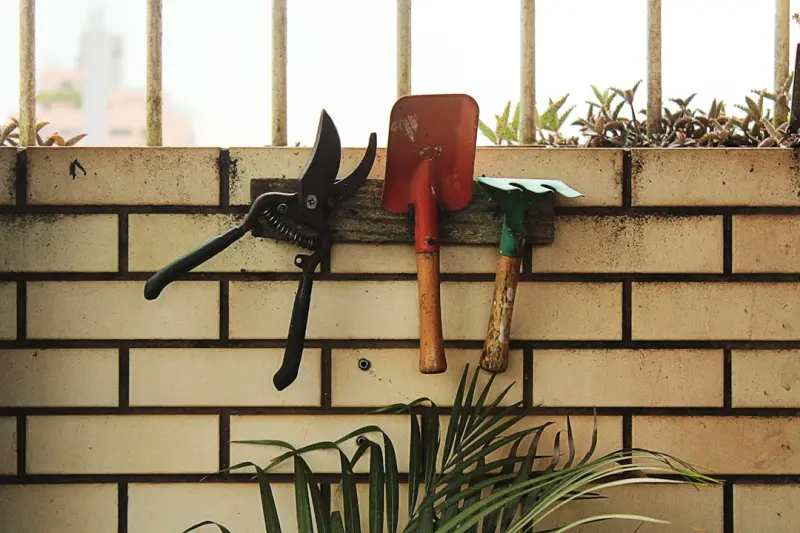
Why Vintage Garden Tools Matter
There’s a quiet charm in the weight of a well‑forged steel trowel, the patina on a wooden-handled fork, and the satisfying click of a brass‑hinged pruning shear. While modern gadgets promise speed, the tools our grandparents trusted have a durability and tactile feedback that no battery‑powered device can match. In my own backyard, I’ve discovered that bringing these classics back to life isn’t just a nostalgic hobby—it’s a practical strategy for sustainable, mindful gardening.
The Hidden Treasure in Your Shed
Most of us store a jumble of rusted implements in a corner, assuming they’re beyond rescue. In reality, a little elbow grease and the right know‑how can transform a forgotten relic into a reliable workhorse. Start by pulling everything out and sorting into three piles: keep, repair, and retire. The “keep” pile includes tools that still feel solid and perform their function without wobble. The “repair” pile may need cleaning, sharpening, or part replacement. Anything beyond repair can be recycled or repurposed for garden art.
Step‑by‑Step Restoration Guide
- Assessment: Examine each piece for rust, cracks, and loose joints. A simple tap with a hammer can reveal hidden fractures.
- Cleaning: Soak metal parts in a solution of warm water and dish soap. For stubborn rust, apply a paste of baking soda and water, let it sit, then scrub with a brass brush.
- Degreasing: Use mineral spirits on wooden handles to remove old oil and grime. Wipe dry and let the wood breathe for a few hours.
- Repair: Tighten loose bolts, replace missing screws, and if a wooden handle is cracked, consider a backyard gardening secrets approach: glue the crack with epoxy and sand smooth.
- Sharpening: A flat file or a sharpening stone can restore edge to pruning shears. Keep the angle consistent—usually around 20° for garden shears.
- Finishing: Apply a light coat of boiled linseed oil to wooden handles to protect against moisture. For metal, a thin layer of rust‑inhibiting oil will keep future oxidation at bay.
Integrating Vintage Tools into Modern Gardening
Once restored, these tools become the backbone of a low‑impact garden. Their longevity reduces waste, and their ergonomic designs often promote better posture and reduced strain. Pair a classic hand trowel with a modern composting system, and you have a synergy that honors tradition while embracing current sustainability goals.
Case Study: A Vintage Hand Fork in a Raised‑Bed Garden
In my own raised‑bed vegetable plot, I swapped a cheap plastic fork for a 70‑year‑old hand fork with a forged steel head. The difference was immediate: the soil turned over more cleanly, roots were less disturbed, and the fork’s weight meant fewer repetitive motions. Over a season, I harvested 15 % more lettuce, simply because the tool let me work more efficiently and with less fatigue.
Pairing Old Tools with New Practices
Restored implements shine brightest when combined with contemporary gardening methods:
- Companion Planting: Use a vintage hand rake to gently loosen soil around companion pairs without damaging delicate seedlings.
- Mulching: A sturdy old spade can spread organic mulch evenly, preserving soil moisture and suppressing weeds.
- Seasonal Plant Swaps: When you join a local indoor plant swap community, bring along a beautifully restored potting spade as a conversation starter—and perhaps a trade item!
Maintenance: Keep Your Classics Working
Restoration isn’t a one‑time event. Regular maintenance prolongs life:
- Wipe metal after each use to prevent moisture buildup.
- Re‑oil wooden handles quarterly, especially after rainy seasons.
- Store tools in a dry, ventilated space—ideally a dedicated cabinet with a silica‑gel pack.
Beyond Tools: A Holistic Vintage Garden Aesthetic
Reviving tools can spark a broader appreciation for vintage garden aesthetics. Consider adding reclaimed wooden planters, antique watering cans, or a weathered metal wheelbarrow repurposed as a potting bench. These elements create a cohesive story, turning your garden into a living museum where every piece has purpose and history.
Connecting With the Community
Sharing your restoration journey can inspire neighbors and fellow gardeners. Host a “tool‑swap” afternoon where participants bring old tools for collective cleaning and repair. Pair the event with a front porch ideas workshop, encouraging attendees to showcase their revived implements on a welcoming porch display. Such gatherings build community spirit, echoing the timeless notion that gardens grow best when cultivated together.
Eco‑Friendly Benefits
Choosing to restore rather than replace aligns with several environmental advantages:
- Reduced Resource Extraction: Fewer new tools mean less mining for steel and less manufacturing emissions.
- Less Waste: Extending the life of existing tools cuts down on landfill contributions.
- Lower Carbon Footprint: Shipping new tools from overseas adds transport emissions; local restoration eliminates that impact.
Final Thoughts: A Garden’s Soul Lives in Its Tools
When you hold a revived hand fork, you’re not just gripping metal—you’re connecting to generations of gardeners who tended the soil with patience and care. By breathing new life into vintage tools, you honor that lineage while equipping yourself with reliable, sustainable gear for today’s gardening challenges. So dig out that dusty toolbox, roll up your sleeves, and let the stories of old steel and seasoned wood guide your next planting season.

Karen Edwards is a seasoned freelance writer with a passion for all things furry, feathered, and scaled. With a dedicated focus on pets, she brings a wealth of knowledge and a keen eye for detail to her writing.
Related Posts

Year‑Round Outdoor Living: Build a Backyard Room That Works in Every Season
Discover how to transform your patio into a year‑round outdoor living room, blending smart structu... Read More

Scent‑Driven Garden Design: Crafting Aromatic Spaces for Home Wellness
Explore the art of designing a fragrant garden that nurtures mental health, supports pollinators, an... Read More

Edible Elegance: Designing a Beautiful Food‑First Garden
Learn step‑by‑step how to create an edible‑first garden that blends striking design with fresh... Read More
Top Posts

Mapping Memory: How Curating Souvenirs Turns Travel into a Personal Archive
Explore the art of purposeful souvenir collecting, turning each trinket into a tangible memory anchor that enriches travel narratives, supports sustainable prac...Read More
Unlocking the Hidden Potential of Your Attic: From Clutter to Chic
Discover how to turn an underused attic into a stunning, functional space—whether a home office, reading nook, or creative studio—through strategic design, ...Read More

Scent‑Driven Self‑Care: How Aromatherapy Can Upgrade Your Daily Routine
Aromatherapy isn’t just a luxury; it’s a functional tool for modern professionals. Learn how specific scents can sharpen focus, reduce stress, and seamlessl...Read More

Transform Your Small Balcony into a Year‑Round Green Retreat
Discover practical steps to convert a modest balcony into a vibrant, year‑round green sanctuary using modular planters, seasonal plant swaps, sustainable prac...Read More
0 Comments
Post Comment
You will need to Login or Register to comment on this post!