
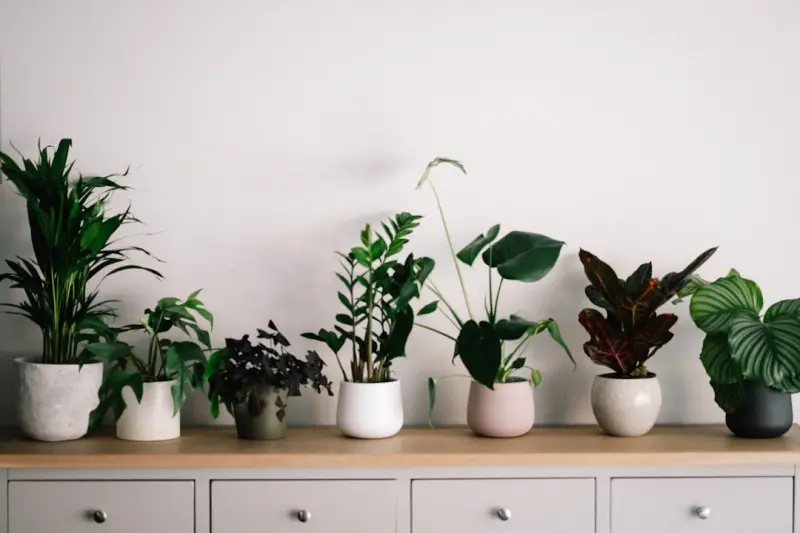
Why a Seasonal Plant Swap Is the Secret Weapon for a Living Home
When I first moved into my cramped city loft, I thought a few succulents on the windowsill would be enough to keep me grounded. Six months later, that tiny green crew was looking a little droopy, and I realized my indoor garden needed more than a one‑size‑fits‑all approach. That’s when I stumbled on the idea of a seasonal plant swap—a ritual where you rotate, replace, and revitalize your indoor foliage in sync with the calendar. It’s not just about aesthetics; it’s a lifestyle tweak that sharpens your senses, boosts air quality, and turns your living space into a dynamic ecosystem.
Understanding the Rhythm of Light and Temperature
The first rule of any plant‑lover’s playbook is to respect the natural dance of light and temperature. In winter, daylight hours shrink, and the sun’s angle drops, casting a softer, cooler glow. In summer, the opposite happens: long, bright days bring heat that can scorch leaves that thrive in shade.
Instead of fighting this rhythm with artificial lights (which, let’s be honest, can become an electricity nightmare), I let the seasons dictate which plants get the prime real estate and which move to the back‑room corners. For example, I keep ZZ plants and Snake Plants front‑and‑center during the darker months because they tolerate low light like champs. When summer rolls in, I swap them out for sun‑loving Fiddle Leaf Fig cuttings or a bold Monstera deliciosa that revels in bright, indirect light.
Crafting a Plant Calendar: Your Blueprint for Swaps
To avoid the guesswork, I drafted a simple calendar. It’s essentially a spreadsheet with three columns: Month, Plants to Promote, and Plants to Relocate. Here’s a snapshot of my go‑to schedule:
- January–March: Promote shade‑tolerant foliage; relocate sun‑hungry vines to brighter spots.
- April–June: Introduce blooming annuals like African Violets and rotate medium‑light plants to the front.
- July–September: Shift heat‑resistant succulents to the sunny windowsill; move tropicals to cooler, indirect zones.
- October–December: Bring back low‑light champions; store excess water‑loving plants in a humid corner.
What I love about this system is its flexibility. If a sudden cold snap hits, I can simply pull a tropical from the front and tuck it into a bathroom’s steamy sanctuary. The calendar isn’t a rigid rulebook; it’s a living document that adapts as your home evolves.
Choosing the Right Containers for Easy Swaps
Container choice can make or break the swap experience. I opted for lightweight, breathable pots—think fabric grow bags or thin terracotta with a built‑in saucer. These allow you to lift a plant with minimal effort, preventing root disturbance. For larger, more permanent specimens, I use stylish, modular planters that slide on a rail system. The modular approach means you can slide a plant out, replace it, and the whole arrangement stays tidy.
Another pro tip: label each pot with a “Season” tag. A simple paper tag clipped to the pot rim reminds you at a glance which plants belong where, reducing the chance of accidental misplacements during a busy week.
Watering Strategies That Align With Seasonal Needs
Water is the silent hero (or villain) of indoor gardening. In winter, most plants enter a semi‑dormant state, needing less water—often just a light mist once a week. Summer, however, calls for deeper, less frequent watering to avoid root rot while accommodating faster growth.
My technique involves a “finger test” combined with a moisture meter for the larger pots. Stick a finger an inch into the soil; if it feels dry, it’s time to water. For plants in high‑humidity rooms (like the kitchen), I cut back a little, trusting the ambient moisture. This nuanced approach prevents the common pitfall of over‑watering, which can be fatal for indoor foliage.
Feeding the Green: Seasonal Fertilizer Hacks
Fertilizer timing is another subtle art. I reserve a balanced, liquid fertilizer for the growing season—roughly April through September. A quarter‑strength dosage every two weeks keeps the plants thriving without overwhelming them. In the dormant months, I switch to a low‑nitrogen, high‑phosphorus formula to encourage root development rather than leaf growth. The result? Stronger, more resilient plants ready to burst into life when the light returns.
Integrating the Swap Into Your Home Aesthetic
Beyond the horticultural benefits, seasonal swaps can be a design statement. Each quarter, I treat the swap as a mini‑refresh of my interior palette. Winter calls for deeper, earthy tones—think dark green Philodendron leaves paired with copper planters. Spring introduces pastels; a blush‑pink Calathea alongside woven macramé hangers lifts the mood. Summer brings bold, tropical hues, while autumn sees warm, amber tones with terracotta pots.
When you think of your home as a canvas, the plants become dynamic brushstrokes that evolve with the seasons. It’s a low‑cost way to keep your décor feeling fresh without buying new furniture.
Health Perks: Air Quality and Mental Well‑Being
There’s a solid body of research showing that indoor plants can scrub volatile organic compounds (VOCs) and increase oxygen levels. By rotating plants, you ensure a continuous cycle of air purification. For instance, Spider Plants excel at removing formaldehyde, while Peace Lilies tackle benzene. By swapping these into high‑traffic areas during the months they’re most active, you maximize the health benefits.
On a personal level, I’ve noticed that the ritual itself—checking light levels, moving pots, adjusting water—acts as a mindfulness break. It’s a tactile, grounding activity that pulls me away from screen time and anchors me in the present moment.
Addressing Common Concerns
“What if I forget the schedule?” – Set calendar reminders on your phone. A quick 10‑minute session each month is all it takes.
“My space is tiny; can I still do swaps?” – Absolutely. Even a single tabletop can host a rotating trio of plants. Use wall‑mounted shelves that allow you to slide pots forward or backward as the seasons change.
“I’m not a plant expert—what if I pick the wrong species?” – Stick to beginner‑friendly varieties at first. The urban forest bathing article provides a great primer on low‑maintenance greenery that thrives in indoor environments.
Bringing the Outdoors In: A Long‑Term Vision
My ultimate goal is to create a seamless transition between my indoor and outdoor spaces. By the time I step onto the balcony in summer, the indoor plants I’ve nurtured will echo the outdoor garden’s color scheme, creating a visual bridge that extends my living area. The seasonal swap is the first step toward that harmonious integration.
Getting Started: A Simple 4‑Step Plan
- Audit Your Current Collection: List each plant, its light needs, and its water preferences.
- Map Out Light Zones: Identify the brightest, medium, and low‑light spots in each room.
- Draft a Swap Calendar: Use the template above as a guide, customizing for your specific space.
- Execute the First Swap: Pick a weekend, gather your pots, and rotate the first batch. Take photos before and after to track progress.
After you’ve completed your first rotation, you’ll notice the immediate difference: fresher air, brighter corners, and a sense of accomplishment that fuels the next swap. Trust me—once you get into the rhythm, it becomes a beloved part of your home‑maintenance routine.
Conclusion: The Power of a Living, Breathing Home
In a world that often feels static—think endless Zoom calls and static home décor—bringing a seasonal plant swap into your routine injects a pulse of life into your surroundings. It’s a low‑tech, high‑impact strategy that blends design, health, and mindfulness into a single, satisfying practice. So, set that calendar, dust off those pots, and let your indoor garden tell the story of the seasons—one leaf at a time.

Paul Flynn is a versatile freelance writer equipped with a diverse skillset and a portfolio that reflects his wide-ranging interests and expertise. From crafting compelling website copy and engaging blog posts to delivering in-depth articles and meticulously researched reports, Flynn demonstrates a remarkable ability to adapt his writing style to suit various audiences and purposes.
Related Posts
Edible Landscaping: Turning Your Yard into a Living Pantry
Learn the art of edible landscaping—combine aesthetics and harvestable plants for a stunning, sust... Read More

Transform Your Backyard into a Captivating Night Garden
Discover how to turn your garden into a luminous nightscape with layered lighting, nocturnal plants,... Read More

Designing Climate‑Resilient Gardens: A Practical Guide for Homeowners
A step‑by‑step guide to building a garden that conserves water, supports biodiversity, and stays... Read More
Top Posts

Employee‑Led Innovation Labs: Turning Everyday Talent into Corporate Superpowers
Employee‑led innovation labs empower front‑line talent to prototype solutions, driving revenue, efficiency, and engagement while turning everyday employees ...Read More
How a Garden Desk Can Transform Your Home & Garden Lifestyle
Explore the rise of garden desks, learn design tips, and see how this outdoor office can elevate your productivity, mental health, and eco‑friendly lifestyle....Read More

Why My Garden Desk Became the Heart of My Home
A personal journey from cubicle to garden desk reveals the health, creativity, and community benefits of working outdoors, plus practical steps to start your ow...Read More

Storytelling as a Mental Fitness Regimen
A fresh look at mental health: using personal storytelling as a daily practice to rewire stress, build resilience, and foster a supportive team culture....Read More
0 Comments
Post Comment
You will need to Login or Register to comment on this post!