

Why Fragrance Matters More Than You Think
When you walk through a garden, the first thing you notice isn’t the color of the roses or the shape of the hedges—it’s the scent that greets you. A well‑curated aromatic landscape does more than please the nose; it can calm a frazzled mind, spark creativity, and even influence how you move through your home. In an age where we’re constantly bombarded by digital noise, the natural perfume of a garden becomes a silent, powerful ally for mental reset.
Choosing the Right Aromatic Palette
Just as a chef selects herbs to balance a dish, a scent‑driven garden requires careful selection of plants that complement each other throughout the seasons. Below is a quick guide to building a layered fragrance profile:
- Spring Awakening: Plant early bloomers like lily of the valley, forsythia, and hyacinth. Their fresh, sweet notes signal the start of new growth.
- Summer Warmth: Introduce midsummer staples such as lavender, garden mint, and sweet basil. These herbs release their aroma when the sun is at its peak, perfect for outdoor cooking spaces.
- Autumn Comfort: Incorporate earthy scents with chrysanthemums, sage, and sweet woodruff. Their warm, grounding aromas help transition the home into cozier evenings.
- Winter Whisper: Even in colder months, you can enjoy fragrance by planting ever‑greens like cedar and pine, or adding potted eucalyptus and rhododendron to sun‑lit windowsills.
Mixing these plant groups ensures there’s always something fragrant, no matter the calendar date.
Strategic Placement: Where Scent Meets Function
Location matters as much as plant choice. Think about the flow of traffic in your home and garden, and place aromatic plants where they’ll have the greatest impact.
- Entryways: A small border of rosemary and thyme can greet guests with a herbaceous welcome, setting an inviting tone from the moment they step onto your porch.
- Outdoor Living Rooms: Cluster lavender and sage near seating areas. As people settle, the calming scent encourages lingering conversation and relaxation.
- Kitchen Gardens: Plant basil, mint, and coriander just a stone’s throw from your cooking space. Fresh herbs not only season dishes but also fill the air with appetizing aromas that stimulate the senses.
- Bedroom Borders: Place jasmine or night‑blooming gardenias at the foot of the bed. Their sweet, soothing fragrance can improve sleep quality without the need for artificial diffusers.
Enhancing Scent with Garden Design Techniques
Beyond plant selection, the way you design your garden can amplify fragrance. Consider these proven techniques:
- Vertical Layers: Use trellises or arbors to grow climbing scented vines like honeysuckle or wisteria above lower‑lying herbs. This creates a “scent ceiling” that releases perfume as you walk beneath.
- Reflective Surfaces: Incorporate stone, water, or polished metal near fragrant beds. Reflective surfaces bounce scent particles, dispersing them more widely across the space.
- Wind Corridors: Plant taller, denser shrubs to act as windbreaks, then position aromatic perennials in the sheltered lee. This ensures the scent remains concentrated rather than being blown away too quickly.
- Seasonal Rotation: Swap out a few key plants each season to keep the olfactory experience fresh. Even a modest rotation of three to four species can prevent scent fatigue.
Integrating Scent with Sustainable Practices
Fragrance doesn’t have to come at the cost of sustainability. Many aromatic plants are low‑maintenance, drought‑tolerant, and beneficial to pollinators. For instance, lavender and sage thrive in well‑drained soil and require minimal watering once established, aligning perfectly with the principles of Native Plant Landscaping: A Low‑Maintenance Blueprint for Busy Professionals. By selecting native, fragrant species, you support local ecosystems while enjoying a garden that smells as good as it looks.
From Garden to Home: Capturing Scent Indoors
When the weather turns or you simply want a whiff of your garden inside, there are several low‑tech ways to bring those fragrances indoors:
- Pot Transfers: Move potted herbs onto windowsills during colder months. A sunny spot will keep them thriving and aromatic.
- Dry Bundles: Harvest sprigs of rosemary, lavender, or sage, tie them into small bundles, and hang them in closets or above the stove. Their scent slowly releases as the air circulates.
- DIY Scent Diffusers: Fill a glass jar with carrier oil (like jojoba) and add a handful of fresh or dried aromatic leaves. Place a reed stick in the jar; the oil will travel up the reed, gently perfuming the room.
These simple tricks let you enjoy garden aromas year‑round without relying on synthetic candles or sprays.
Measuring the Impact: How to Know Your Garden Is Working
While fragrance is inherently subjective, there are a few tangible ways to gauge its effectiveness:
- Stress Metrics: Notice if you feel calmer after spending time in a scented corner. Many studies link lavender and bergamot to reduced cortisol levels.
- Time Spent Outdoors: Track how often you choose to sit or work in your garden. A fragrant environment naturally draws you back.
- Guest Feedback: Pay attention to compliments about “the wonderful smell” when friends visit. Positive reactions often indicate a successful aromatic design.
Case Study: A Small Urban Balcony Transformed
Take the example of a 10‑square‑meter balcony in a bustling city. The homeowner wanted a personal oasis without sacrificing space. By installing a vertical trellis, they grew climbing jasmine along the railing, placed dwarf lavender in shallow containers, and kept a few basil pots near the cooking area. The result? A balcony that feels like a private greenhouse, with scent pathways that guide the homeowner from a morning coffee ritual to an evening meditation session. The project illustrates how even limited footprints can become powerful scented sanctuaries.
Integrating Technology (Without Over‑Complicating)
While the heart of a scent‑driven garden is organic, a subtle touch of technology can enhance the experience. Smart soil moisture sensors can alert you when fragrant herbs need watering, ensuring they stay healthy and aromatic. For those who love data, pairing a garden’s fragrance schedule with a wellness app can help you align scent exposure with stress‑relief goals. If you’re curious about how technology can deepen other aspects of home life, check out the insights from Dynamic Room Zoning: Boost Home Comfort & Efficiency.
Final Thoughts: Make Fragrance Your Home’s Signature
Creating a scent‑driven garden is an act of intentional hospitality—both to yourself and to anyone who steps onto your property. It’s a low‑cost, high‑reward strategy that blends aesthetics, sustainability, and well‑being. By selecting a thoughtful aromatic palette, placing plants where they’ll be most impactful, and integrating simple sustainable practices, you can turn any outdoor space into a fragrant refuge that supports mental clarity and emotional balance.
Ready to start? Begin with one or two favorite herbs, observe how they change the atmosphere, and expand from there. Your garden’s perfume is a living invitation to pause, breathe, and reconnect with nature—right at home.

Amanda is a passionate writer exploring a kaleidoscope of topics from lifestyle to travel and everything in between.
Related Posts

Backyard Vermiculture: Turning Scraps into Soil Gold
Discover the step‑by‑step process of setting up a worm bin, maintaining healthy composting worms... Read More
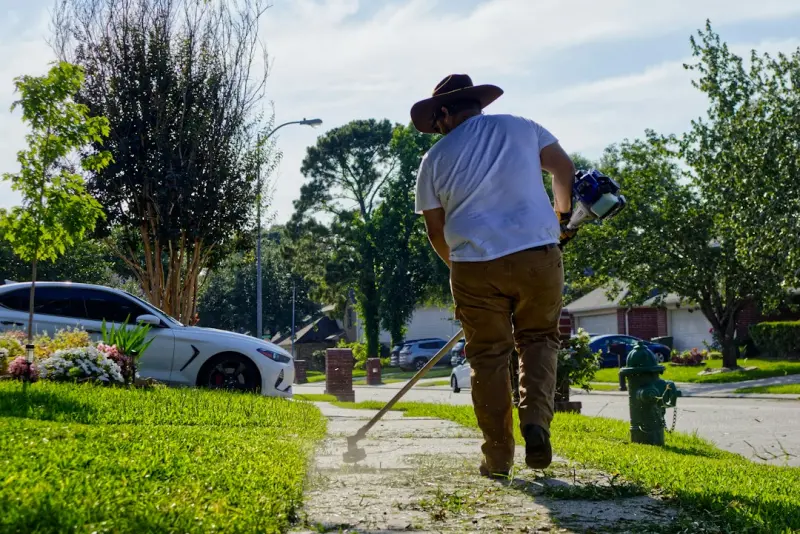
Harvesting Curb Appeal: A Practical Guide to Edible Front Yards
A step‑by‑step guide to converting your front yard into a beautiful, food‑producing garden, co... Read More
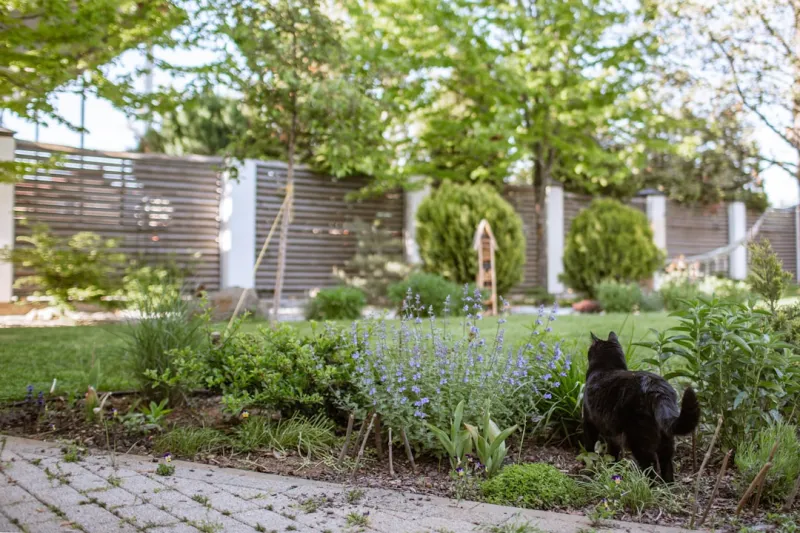
From Backyard to Boardroom: Transforming Work with a Garden Desk
Explore the rise of garden desks, where nature meets productivity, and learn how to create a stylish... Read More
Top Posts

Living in Motion: Turning Your Home Into a Flexible Wellness Hub
Learn practical steps to make your living space adapt to your daily rhythm, from movement audits to seasonal décor swaps, and turn your home into a flexible we...Read More

Travel as a Living Museum: Curating Sensory Adventures on the Road
A fresh take on travel encourages explorers to treat each destination as a living museum, using a sensory map to capture sounds, tastes, textures, and aromas fo...Read More
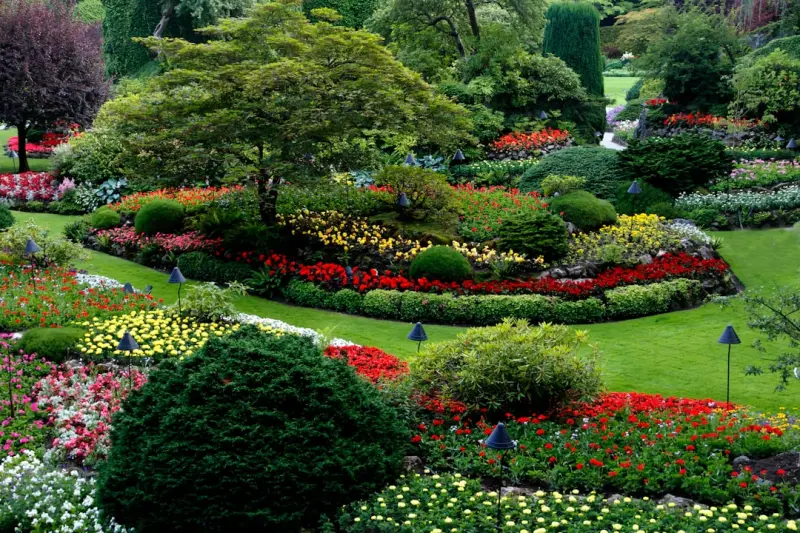
Edible Landscaping: How to Grow a Beautiful, Productive Garden That Feeds Your Table
A fresh look at turning your outdoor space into a thriving edible landscape that’s as stunning as it is sustainable....Read More

Skill‑Swap Travel: Learn While You Roam
Skill‑swap travel transforms ordinary trips into collaborative workshops, letting you teach a skill while learning a new one from locals—creating meaningful...Read More
0 Comments
Post Comment
You will need to Login or Register to comment on this post!