

When the day feels like an endless sprint, I’ve learned that the most powerful tool isn’t a grand retreat or a massive overhaul—it’s a handful of micro‑resets that fit into the cracks of ordinary life. These tiny rituals aren’t about “finding time” (as if it ever truly exists); they’re about reshaping the moments you already have so they become pockets of calm, clarity, and emotional resilience.
The Science of the Mini‑Pause
Neuroscience tells us that the brain thrives on brief interruptions. A single, purposeful pause can trigger the release of neurotransmitters that reduce cortisol, the stress hormone, while boosting dopamine, the feel‑good messenger. This isn’t a myth; it’s a physiological response that happens in seconds, not hours.
What makes micro‑resets so effective is their accessibility. You don’t need a dedicated space, a special app, or a lengthy routine. You simply need a cue—a sigh, a stretch, a glance at a calming visual—and a commitment to stay present for the next 30‑seconds to a minute.
Three Micro‑Resets You Can Deploy Anywhere
- The Breath Anchor – Close your eyes and inhale through the nose for a count of four, hold for two, then exhale slowly for six. Repeat three times. This pattern stimulates the parasympathetic nervous system, instantly lowering heart rate and sharpening focus.
- The Sensory Scan – Open your eyes and locate five things you can see, four you can touch, three you can hear, two you can smell, and one you can taste. By engaging all five senses, you pull your mind out of the rumble of thoughts and anchor it in the present moment.
- The Gratitude Glimpse – Keep a small card on your desk. Each time you glance at it, jot down one thing you’re grateful for that day. Over weeks, this simple habit rewires neural pathways toward positivity, making stressors feel less overwhelming.
These practices are designed to be invisible to others—no one will notice you stepping away for a minute, but the impact on your mental well‑being will be profound.
Embedding Micro‑Resets Into Your Physical Environment
Our surroundings shape our mental state more than we realize. You don’t have to redesign your entire office or home; subtle tweaks can turn everyday zones into mental sanctuaries.
Consider a corner of a work desk that houses a small succulent or a smooth stone. The act of looking at a living organism or a tactile object triggers a grounding response, reminding the brain that you’re safe and present. If you have a hallway that leads to a conference room, place a low‑light lamp or a framed nature photograph there. The soft glow becomes a visual cue that signals it’s time for a brief reset before you walk into the next meeting.
Even the bathroom, often dismissed as purely functional, can serve a different purpose. By adding a scented candle or a tiny jar of aromatic herbs, you can transform a quick visit into a calming interlude. discover how a bathroom can become a mental reset zone and see how this subtle shift can cascade into greater focus throughout the day.
Digital Detours: Reframing the Screen Experience
We all know that scrolling mindlessly through feeds can drain mental energy. Rather than a blanket ban on screens, try strategic detours. For instance, set a timer for five minutes every two hours, during which you switch to a non‑interactive visual—perhaps a nature wallpaper or a simple animation of a wave. This visual break gives the brain a chance to reset without cutting you off from necessary tasks.
When you need to check email or messages, adopt a “single‑task” stance: open one tab, address one message, then close it before moving on. This prevents the brain from entering a state of constant partial attention, which is a known driver of anxiety. learn how brief tech pauses can rewire your brain and turn your device from a stressor into a supportive tool.
Organizational Strategies That Support Micro‑Resets
On a larger scale, companies can nurture a culture that respects these tiny interventions. Here are three actionable ideas for leaders:
- Scheduled “Reset Windows” – Allocate two 5‑minute blocks per day where meetings are discouraged. Employees can use this time for any of the micro‑resets discussed, fostering a collective sense of well‑being.
- Resource Libraries – Provide a digital repository of short guided breathwork audios, calming visuals, and printable gratitude cards. When resources are readily available, employees are more likely to engage.
- Physical Touchpoints – Install small “pause stations”—a bench with a soft cushion, a plant, or a simple sculpture—in high‑traffic areas. These stations act as visual reminders that it’s okay to step back briefly.
When an organization normalizes these practices, the ripple effect is measurable: reduced burnout, higher creativity, and improved collaboration.
From Micro‑Reset to Macro‑Wellness
Micro‑resets are not an end in themselves; they are the building blocks of a broader wellness architecture. Over time, the cumulative effect of daily pauses can lead to lasting changes in stress perception, emotional regulation, and even physical health. Think of each pause as laying a brick; individually they may seem small, but together they construct a sturdy foundation.
In my own journey, I started with the breath anchor during a particularly hectic project. Within a week, I noticed that my irritability levels dipped, and my decision‑making felt clearer. Adding the sensory scan during lunch breaks amplified this benefit, turning my midday slump into a revitalizing experience. The gratitude glimpse, placed on my laptop lid, became a quiet celebration of small wins, reinforcing a positive mindset even when deadlines loomed.
Practical Checklist for the First Week
Use the following checklist to embed micro‑resets into your routine. Tick each item as you integrate it; consistency is key.
- ☐ Set an hourly alarm labeled “Reset” on your phone or computer.
- ☐ Keep a small card with the breath anchor steps on your desk.
- ☐ Place a tactile object (smooth stone, small plush) within arm’s reach.
- ☐ Add a calming scent or a tiny plant to your bathroom for a quick mental pause.
- ☐ Schedule two 5‑minute “reset windows” in your calendar for the week.
- ☐ Download one short guided breathing audio and use it during a reset window.
- ☐ Write down one gratitude item each day on the card.
At the end of the week, reflect on any shifts you notice—perhaps a calmer reaction to emails, a smoother transition between tasks, or simply a feeling of being “more present.” These observations are the first data points showing how micro‑resets are reshaping your mental landscape.
Conclusion: Tiny Actions, Tremendous Impact
In a world that glorifies hustle, the most radical act is often the smallest one: pausing, breathing, and anchoring yourself in the present. Micro‑resets are the antidote to perpetual overload, offering a sustainable, science‑backed pathway to emotional balance. By weaving these brief rituals into your day, you’re not just surviving the rush—you’re thriving within it.
Remember, the power lies not in massive transformations, but in the consistency of tiny, intentional moments. Start with one breath anchor, one sensory scan, or one gratitude glimpse today, and watch how those seconds expand into a more resilient, focused, and joyful you.
For those looking to deepen the practice, explore additional resources such as organize your space to free mental bandwidth and discover how a tidy environment can amplify the benefits of your micro‑resets.

Miranda Murphy: Experienced freelance writer with a decade of storytelling expertise. Let's create something amazing together!
Related Posts
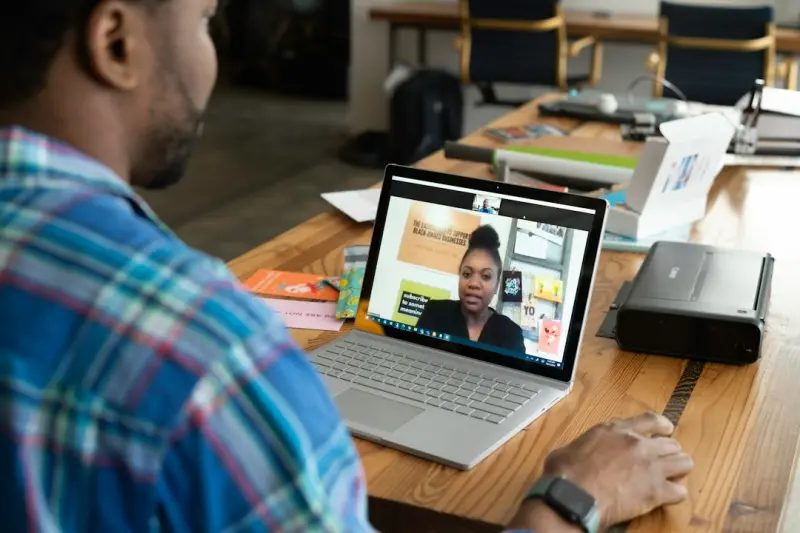
The Video Call Fatigue Paradox: Protecting Your Mind in a Screen‑Driven World
Endless video conferences are silently draining our mental health. This article explores why video c... Read More

The Unexpected Power of Play: Reclaiming Joy to Boost Mental Health in High‑Pressure Careers
Play isn’t a luxury—it’s a mental‑health tool. This article explores science‑backed ways t... Read More

When Your Mind Takes a Guided Wander: Structured Daydreaming for Better Mental Health
Discover the power of intentional reverie: a simple, science‑backed practice that transforms mindâ... Read More
Top Posts

Smart Lighting Hacks to Boost Mood & Productivity
Explore practical smart lighting strategies—from layering fixtures to syncing with your sleep cycle—that transform any space into a mood‑enhancing, energy...Read More
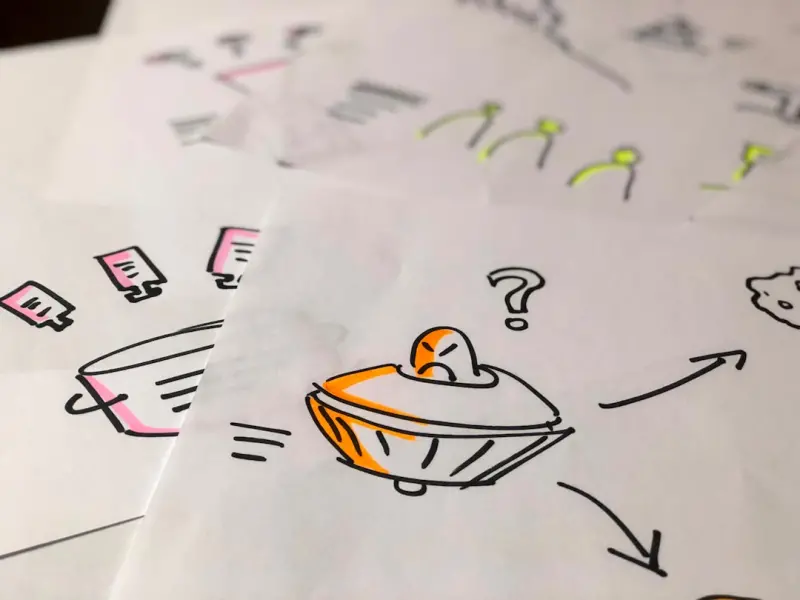
Designing Micro‑Escapes: How Tiny Trips Can Recharge Your Creative Engine
Micro‑escapes, brief trips close to home, can deliver the same cognitive lift as long vacations. Learn a structured sprint‑style framework, tech‑enabled p...Read More

Pop‑Up Co‑Living Pods: Rethinking City Travel for Shared Living Experiences
Pop‑up co‑living pods turn vacant city spaces into vibrant, short‑term homes where travelers share kitchens, workspaces, and stories, offering a fresh, co...Read More

Beyond Annual Reviews: Crafting a Real‑Time Feedback Culture
The article argues that traditional annual reviews are outdated and proposes a real‑time feedback culture, highlighting micro‑feedback tools, skill swaps, e...Read More
0 Comments
Post Comment
You will need to Login or Register to comment on this post!