
The Quiet Revolution: Rewiring Your Brain with Intentional Digital Breaks
When I first swapped my morning scroll for a five‑minute breathing ritual, I thought I was just cutting out a habit. What I didn’t anticipate was the cascade of neuro‑chemical shifts that followed—a subtle, yet profound, recalibration of my attention system. In an era where notifications feel like a second pulse, the act of stepping back has become a strategic health intervention. This isn’t a vague “take a break” mantra; it’s a science‑backed protocol for bolstering cognitive resilience, emotional balance, and even physical well‑being.
Why “Digital Fatigue” Is a Real Medical Concern
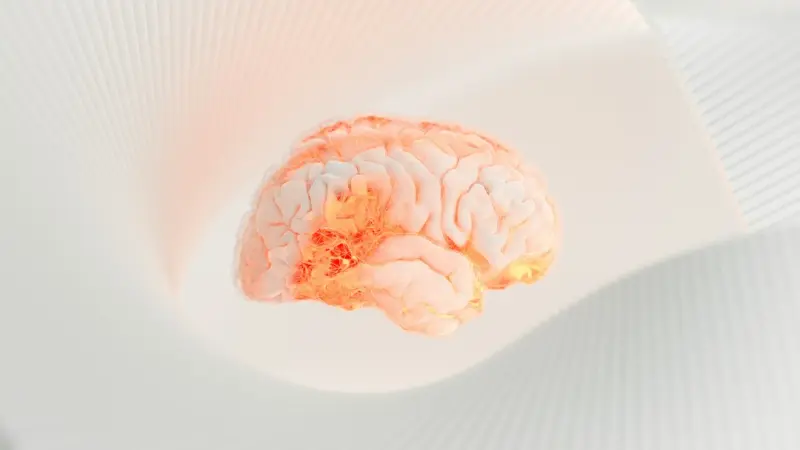
Neuroscientists now describe the constant barrage of alerts as information overload, a state that triggers the brain’s stress axis (the HPA axis) and releases cortisol in a pattern similar to chronic stress. Over time, this can erode the prefrontal cortex—the region responsible for executive functions like decision‑making, impulse control, and working memory. The result? Decreased productivity, mood swings, and a heightened risk of anxiety disorders.
Recent studies using functional MRI have shown that participants who engaged in scheduled digital detoxes displayed restored connectivity between the dorsolateral prefrontal cortex and the anterior cingulate cortex—areas essential for focus and emotional regulation. In plain English, your brain actually re‑wires when you give it the space to reset.
Micro‑Detox: The Power of Tiny, Structured Breaks
Full‑day unplugging feels daunting for most professionals. The secret, however, lies in “micro‑detoxes”: deliberate pauses of 5–10 minutes every hour, followed by a longer 30‑minute window each workday. Here’s a step‑by‑step framework that I’ve refined over the past year:
- Trigger Identification: Pinpoint the cue that forces you to reach for your phone—often it’s a notification sound or an idle moment.
- Timed Interruption: Use a simple timer (even a kitchen timer works) to enforce a 5‑minute offline window.
- Grounding Activity: Replace scrolling with a grounding habit—deep breathing, a quick stretch, or a glance at a natural object like a plant.
- Reflective Log: Jot down how you felt before and after the break. This data point becomes a personal metric for improvement.
When you repeat this loop, the brain begins to associate “idle moments” with restorative practices rather than reflexive screen checks. Over weeks, you’ll notice sharper focus, fewer impulsive email replies, and a calmer nervous system.
Leveraging Data Without Becoming a Slave to It
In the quest for measurable health, many of us turn to wearables and health dashboards. While these tools can illuminate patterns, they can also become another source of anxiety if not used wisely. The key is to adopt a metric‑light approach: choose one or two signals that truly matter to your digital well‑being, track them, and let the rest fade into the background.
For instance, Personal Care Metrics: How Data Can Elevate Your Daily Routine outlines how a simple “screen‑free minutes” counter can be more enlightening than a step count when your goal is mental clarity. Pair this with a subjective mood rating—on a scale of 1‑10—right after each micro‑detox. Over a month, you’ll see a correlation between increased screen‑free time and higher mood scores, giving you a concrete feedback loop without drowning in numbers.
The Role of AI in Guiding Your Breaks
Artificial intelligence isn’t just for automating tasks; it can act as a compassionate nudge. Emerging apps use machine learning to detect patterns in your notification flow and suggest optimal break intervals, essentially becoming a digital “empathy coach.” If you’re curious about how this works, the piece AI as an Empathy Coach: Harnessing Algorithms for Human Insight dives deep into the psychology behind algorithmic prompts that feel personal rather than intrusive.
Imagine an AI that learns you’re most vulnerable to distraction after a long video call. It could automatically dim your screen, play a brief nature sound, and remind you to stand, stretch, and breathe. Over time, this adaptive guidance reinforces healthy habits without you having to constantly monitor your own behavior.
Creating a Physical Sanctuary to Support Digital Calm
Our environment heavily influences our ability to detach. While you might think a minimalist desk is enough, research shows that incorporating elements of nature—known as biophilic design—can dramatically lower heart rate and improve focus. A Miniature Indoor Forest on your workspace shelf, even a single potted fern, can signal to your brain that it’s safe to unwind.
Combine this with soft ambient lighting and a scent of lavender or cedar, and you’ve built a “digital‑detox zone.” When you step into this space for a micro‑detox, your senses receive a multi‑sensory cue that the brain interprets as a reset button. It’s a cheap, high‑impact hack that doesn’t require a full home renovation.
From Micro‑Detoxes to Macro Health Benefits
Over months, the cumulative effect of these intentional pauses mirrors the outcomes of traditional health interventions. Here are some measurable benefits reported by early adopters:
- Improved Sleep Quality: Reduced evening screen exposure leads to a 20% increase in deep‑sleep phases.
- Enhanced Immune Function: Lower cortisol levels correlate with fewer sick days per quarter.
- Higher Creative Output: Brain scans reveal increased activity in the default mode network—a region linked to imagination—after regular digital breaks.
- Weight Management: Mindful eating improves when you’re not distracted by notifications, reducing unconscious snacking.
These outcomes reinforce the notion that digital health is inseparable from physical health. The modern body is a complex system where screens act as a new class of environmental stressor; managing them is just as vital as managing diet or exercise.
Practical Toolkit: Getting Started Today
Ready to experiment? Here’s a starter kit that costs less than a coffee:
- Timer App: Set a recurring 5‑minute alarm on your phone (or use a kitchen timer) to signal micro‑detoxes.
- Grounding Props: Keep a small stone, a scented candle, or a breathing guide card at your desk.
- Analytics Dashboard: Use a free health app to log screen‑free minutes and mood scores.
- AI Nudge Tool: Try a trial version of a focus‑assistant app that learns your work rhythm.
- Nature Element: Add a low‑maintenance plant—like a snake plant—to your workspace.
Commit to a 21‑day trial. The brain’s plasticity operates on a similar timeline; after three weeks, the new habit pathways become the default, making future digital breaks feel natural rather than forced.
Conclusion: The Quiet Power of Intentional Unplugging
We often celebrate the hyper‑connected world for its productivity gains, yet we rarely pause to ask at what cost. By treating digital overload as a health risk and counteracting it with structured, data‑informed micro‑detoxes, we reclaim not only focus but also the deeper well‑being that fuels sustainable performance. The quiet revolution isn’t about abandoning technology; it’s about redefining the relationship—turning screens from stressors into tools that serve a well‑rested, resilient mind.
So the next time your phone buzzes, ask yourself: “Is this a call to action, or a call for a break?” The answer could be the difference between a frantic day and a day lived with clarity.

Jimmy Anand is a content creator that gets inspired by many aspects of life, internet or whatever inspires him at that moment. When he's not online he's gaming and when he is not gaming he is online trolling discussion boards.
Related Posts

Breathing Your Way to Peak Performance: A Remote Professional’s Guide
Discover practical breathing techniques, integrate them into your remote work routine, and see measu... Read More
Micro-Movements: The Tiny Exercise Revolution Redefining Daily Wellness
Micro‑movements, the practice of short, frequent activity bursts, can dramatically improve circula... Read More

Power Naps, Light, and Focus: A Professional’s Blueprint for Peak Health
A detailed guide shows how to design a nap-friendly environment, time your rest, and integrate postâ... Read More
Top Posts
When Your Steps Count More Than Your Emails: Harnessing Community Walking for Remote Well‑Being
A deep dive into why coordinated walking boosts mental and physical health for remote teams, with actionable steps to launch a sustainable community walking cha...Read More

Cultivating Career Success: How a Garden Desk Can Transform Your Employment Journey
Explore why swapping a traditional office for a garden desk can revitalize your work life, sharpen focus, and accelerate career growth—all while enjoying the ...Read More
When AI Becomes Your Quiet Coach for Everyday Work
A deep dive into how a subtle, “quiet coach” AI can enhance daily workflows, nurture empathy, and empower human judgment—offering a fresh, low‑noise app...Read More

Urban Forest Bathing: Reclaiming Calm in the Concrete Jungle
Learn how to weave the calming benefits of forest bathing into a hectic urban schedule with simple daily micro‑sessions, sensory techniques, and easy-to‑imp...Read More
0 Comments
Post Comment
You will need to Login or Register to comment on this post!