
Pop‑Up Co‑Living Pods: Rethinking City Travel for Shared Living Experiences
When I first stepped off the train in a bustling metropolis, my suitcase felt like a tiny, solitary island floating amid a sea of strangers. I was there for a conference, a quick networking sprint, and a handful of sightseeing stops. The usual hotel lobby, with its polished brass key‑card machines and sterile décor, felt efficient but emotionally distant. I left the next morning with a stack of business cards, a few blurry photos, and a lingering sense that I had missed something essential about the city’s rhythm.
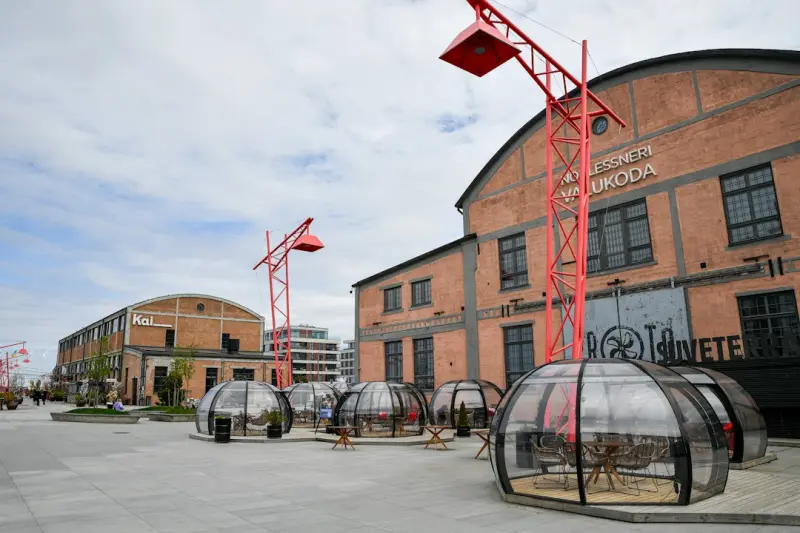
That feeling has been the catalyst for my latest travel obsession: pop‑up co‑living pods. These are temporary, modular living spaces that appear in under‑utilized urban pockets—think vacant storefronts, repurposed parking garages, or even empty rooftops. They’re fully furnished, tech‑enabled, and designed for short‑term stays ranging from a weekend to a few months. But the magic isn’t just in the physical structure; it’s in the social architecture they foster.
Unlike traditional hotels that compartmentalize guests behind locked doors, pop‑up pods encourage communal interaction without forcing it. Residents share kitchens, lounges, and co‑working zones, while still retaining private sleeping capsules. The result is a living environment that feels simultaneously personal and collective, offering travelers a chance to experience the city as a resident, not a tourist.
Why Pop‑Up Pods Are Gaining Traction
There are three primary forces converging to make pop‑up co‑living a compelling alternative to hotels, hostels, or Airbnb rentals:
- Urban Density Meets Flexibility: Cities worldwide are grappling with skyrocketing real‑estate prices and vacant commercial spaces. Pop‑up pods turn these idle assets into revenue‑generating, community‑building hubs.
- Shift Toward Experience‑Centric Travel: Modern travelers crave authentic immersion over passive observation. A shared living environment offers spontaneous cultural exchanges, language practice, and insider tips that guidebooks can’t provide.
- Hybrid Work Lifestyle: The rise of remote and freelance work means professionals are staying in cities for weeks or months, seeking environments that blend work‑friendly amenities with a sense of belonging.
These trends echo the broader shift we’ve seen in the talent marketplace ecosystem, where flexibility and community are no longer optional perks but essential components of a sustainable career.
The Anatomy of a Pop‑Up Pod
While the concept varies by city and operator, most pods share a core set of design principles:
- Modular Construction: Prefabricated units that can be assembled and disassembled in days, allowing operators to respond quickly to demand spikes—think music festivals or major conferences.
- Smart Infrastructure: Integrated IoT sensors monitor temperature, air quality, and occupancy, automatically adjusting lighting and ventilation for comfort while conserving energy.
- Shared Amenities: Communal kitchens stocked with basic utensils, co‑working desks equipped with high‑speed internet, and lounges that double as event spaces for workshops or local art shows.
- Local Partnerships: Many pods collaborate with nearby cafés, gyms, or cultural institutions, offering residents discounted memberships or exclusive access.
- Sustainable Practices: From reclaimed wood furniture to low‑flow fixtures, sustainability is baked into the design, aligning with the growing traveler demand for eco‑friendly options.
These elements create an environment where you can work, rest, and play without feeling like you’re moving between disjointed spaces. The seamless flow encourages a more mindful travel experience—one that respects both personal boundaries and the collective energy of the group.
How Pop‑Up Pods Transform the Travel Narrative
Travel writing has long celebrated the lone explorer, the backpacker with a battered journal, or the luxury jet‑setter with a private concierge. Pop‑up co‑living pods rewrite that narrative by placing the traveler in a shared story. Here’s how:
1. Serendipitous Connections
When you cook dinner in a shared kitchen, you might find a fellow traveler from Brazil who recommends a hidden samba bar, while a local designer offers a quick sketching session. These organic interactions create a tapestry of perspectives that enrich your understanding of the city.
2. Collaborative Learning
Many pods host micro‑workshops—think a quick lesson in traditional tea ceremonies, a crash course in street photography, or a guided meditation focused on urban soundscapes. These sessions echo the philosophy behind Listening to the Land, where sound becomes a gateway to deeper immersion.
3. Dynamic Storytelling
Because you’re living among a rotating cast of characters, your travel journal becomes a collage of voices. Instead of a single‑author narrative, you capture a chorus of experiences, making your post‑trip reflections richer and more nuanced.
Practical Tips for First‑Time Pod Dwellers
If you’re intrigued but hesitant, here are five practical steps to ease your transition into pop‑up pod living:
- Research the Operator’s Reputation: Look for reviews that specifically mention community vibe, cleanliness, and responsiveness of staff. A well‑managed pod will have clear guidelines on shared space etiquette.
- Pack Light, Pack Smart: Since most pods provide essential kitchenware and work equipment, prioritize personal items that enhance comfort—like a favorite pillow, a compact yoga mat, or a portable espresso maker.
- Set Personal Boundaries: Define “quiet hours” for yourself and respect communal norms. If you need focused work time, use the designated co‑working zone; if you crave solitude, retreat to your private capsule.
- Engage Early: Attend the welcome session (often a quick meet‑and‑greet) to learn about scheduled activities, local partnerships, and emergency procedures.
- Embrace the Analog: While the pods are tech‑savvy, it’s wise to incorporate analog breaks—like a paper journal or a sketchpad—to counter digital fatigue. The principles from Rebooting Your Body apply here, helping you maintain mental clarity.
Case Studies: Pop‑Up Pods in Action
Tokyo’s “Kumo Capsule”
Located in a former convenience‑store building near Shibuya, Kumo Capsule offers 30‑person pods with a rooftop garden, a tea‑ceremony corner, and a weekly “Sushi Swap” where residents trade homemade rolls. Guests report a 40% increase in local cultural interactions compared to traditional hotels.
Berlin’s “Neukölln Nest”
Set up in a vacant art gallery, Neukölln Nest blends co‑living with a rotating exhibition space. Artists stay as residents, offering impromptu workshops. The pod’s smart lighting adjusts to natural daylight, promoting circadian health—a subtle nod to wellness trends.
Mexico City’s “Azúcar Loft”
In a repurposed textile factory, Azúcar Loft focuses on culinary immersion. The shared kitchen is stocked with local spices, and nightly “Market Tours” guide residents to nearby mercados. Guests leave with a newfound confidence to cook authentic Mexican dishes at home.
Potential Challenges and How to Navigate Them
No concept is without its growing pains. Here are common concerns and strategies to address them:
- Noise Levels: Shared spaces can be lively. Establish clear “quiet zones” and schedule communal events during designated times.
- Privacy Concerns: While pods are designed for openness, ensure you have a lockable capsule and personal storage.
- Hygiene Standards: Choose operators with rigorous cleaning protocols, especially in kitchens and bathrooms.
- Cultural Sensitivity: Be mindful of local customs and the diverse backgrounds of fellow residents. Simple gestures—like greeting in the local language—go a long way.
The Future of Pop‑Up Co‑Living
As urban planners and hospitality innovators continue to experiment, we can expect pop‑up pods to evolve in exciting ways:
- Hybrid Mobility: Some operators are testing pod‑on‑wheels—mobile units that relocate based on seasonal demand, bringing the concept to coastal towns during summer and back to city centers in winter.
- AI‑Curated Community Matching: Leveraging data, platforms could match travelers with similar interests, fostering deeper connections from day one.
- Eco‑Feedback Loops: Sensors could provide real‑time data on resource consumption, encouraging residents to collectively reduce waste.
These innovations promise a travel ecosystem where flexibility, sustainability, and community converge, redefining what it means to be a “traveler” in the modern age.
Final Thoughts: Embrace the Pod, Embrace the Journey
Travel has always been about stepping out of your comfort zone, but comfort doesn’t have to be sacrificed. Pop‑up co‑living pods offer a middle ground—structured enough to feel safe, yet fluid enough to spark unexpected adventures. By staying in a pod, you gain a front‑row seat to the city’s daily life, an instant network of fellow explorers, and the chance to co‑create a shared narrative that lasts long after you’ve checked out.
If you’ve ever felt that the hotel lobby was too impersonal, or the hostel too chaotic, consider the pod as your next home base. Pack a sense of curiosity, a willingness to connect, and maybe a favorite playlist for those quiet moments in your private capsule. The city will unfold in front of you—not as a series of sights to tick off, but as a living, breathing story you help write.

Mei Chen is a dynamic professional who brings a unique blend of skills to Blogging Fusion. As a key contributor to the Blogging Fusion platform, she leverages her writing expertise to create engaging content that resonates with our audience.
Related Posts

Beyond the Tourist Trail: Crafting Deep‑Dive Cultural Moments on Every Journey
Discover practical strategies to move beyond typical sightseeing and create meaningful, sensory‑ri... Read More

Beyond the Itinerary: How Sensory Storytelling Redefines Modern Travel
Travel isn’t just about sights; it’s about the full sensory experience. Discover a framework for... Read More

Taste, Tales, and Timeless Paths: Redefining How We Travel
A new travel approach puts flavor and story at the forefront, guiding you to savor local dishes, cap... Read More
Top Posts

Beyond the Ladder: How Lateral Moves are Redefining Career Growth
Lateral moves, not just promotions, are reshaping modern career development. Learn how building a career lattice can boost engagement, retention, and business i...Read More
Crafting a Sensory Narrative: Personal Care as Storytelling
Learn to transform everyday personal care routines into a sensory narrative, using scents, textures, and consistent cues to enhance mood, concentration, and ove...Read More

Quiet Corners: Mastering Home Acoustics for Calm Living
Learn how to assess, reduce, and manage noise in every room with budget‑friendly fabrics, DIY acoustic panels, smart placement of furniture, and tech‑enable...Read More

How to Refresh Your Home Every Season Without Breaking the Bank
Discover practical, low‑cost strategies to give your home a fresh look each season, from swapping textiles and lighting to DIY accents and scent rotations, al...Read More
0 Comments
Post Comment
You will need to Login or Register to comment on this post!