
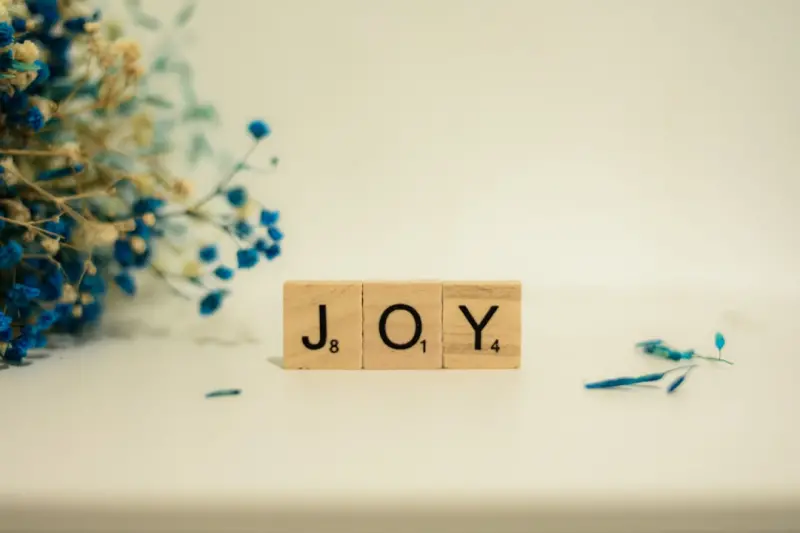
When I was a teenager, the word “play” felt like a secret code for anything that wasn’t schoolwork, chores, or the looming anxiety about the future. Fast‑forward to my 30s, and I’m still chasing that same feeling—only now it’s cloaked in the language of “well‑being,” “mental resilience,” and “performance optimization.” The paradox is striking: the very environments that demand our highest cognitive output—tight deadlines, perpetual connectivity, relentless innovation—are also the places where we most need to let go and simply play.
Why Play Matters More Than Ever in the Modern Workplace
Play isn’t just a nostalgic nod to childhood; it’s a neurochemical catalyst. When you engage in activities that feel effortless, your brain releases dopamine, serotonin, and endorphins—natural mood‑boosters that also sharpen focus and creativity. Research shows that brief periods of playful interaction can reset the brain’s default mode network, the system responsible for mind‑wandering and stress accumulation. In other words, a well‑timed game break can be the mental equivalent of a power‑up in a video game.
In high‑pressure careers—especially within fast‑moving SaaS and tech ecosystems—the cultural script often glorifies “grind” and “hustle.” Yet, the most innovative teams I’ve observed are the ones that schedule intentional moments of fun, whether that’s a quick doodle challenge, an impromptu improv session, or a friendly office competition. These micro‑play experiences create psychological safety, encourage risk‑taking, and ultimately lead to breakthroughs that pure analysis alone can’t achieve.
The Science Behind Play‑Induced Resilience
Play triggers the release of brain‑derived neurotrophic factor (BDNF), a protein that supports neuronal growth and synaptic plasticity. Higher BDNF levels are associated with improved mood regulation and reduced susceptibility to anxiety and depression. Moreover, playful activities often involve physical movement, which elevates heart rate variability (HRV)—a reliable indicator of the body’s capacity to handle stress.
Beyond the chemistry, play also reshapes cognitive patterns. When you’re immersed in a game or creative task, the prefrontal cortex (responsible for executive function) relaxes, allowing the brain’s more intuitive, associative regions to take the lead. This shift fosters lateral thinking and problem‑solving that feels fresh, not forced.
Play as a Mental Health Tool: From Theory to Practice
Integrating play into your day doesn’t require a redesign of your entire workflow. Think of it as a series of strategic “mental resets.” Here are three proven frameworks:
- Micro‑Play Intervals: 5‑minute bursts of lighthearted activity every 90 minutes. This aligns with the ultradian rhythm, which naturally cycles between periods of high focus and low energy.
- Playful Collaboration: Replace a routine meeting with a collaborative sketch‑storm or a rapid prototyping game. The shift from a formal agenda to a playful format lowers status barriers and encourages all voices.
- Scheduled “Fun‑Days”: Dedicate a quarterly half‑day to a team‑wide playful challenge—think escape rooms, hackathons with silly constraints, or a “no‑email” scavenger hunt.
These approaches are not about abandoning productivity; they’re about re‑engineering it. By weaving play into the fabric of work, you cultivate a buffer against burnout and create a culture where mental health is protected through joy, not just through policies.
Integrating Play Without Disrupting Your Flow
One of the biggest myths about play is that it’s a distraction. In reality, when scheduled thoughtfully, it can enhance flow. Here’s how to make it work:
- Identify Natural Lulls: Scan your calendar for back‑to‑back meetings or long stretches of deep work. Insert a micro‑play interval just before you feel mental fatigue setting in.
- Choose Play That Complements Your Role: Engineers might benefit from a quick Lego‑style building challenge to stimulate spatial reasoning. Marketers could try a word‑association game to spark fresh copy ideas.
- Leverage Technology: Use collaboration tools that support quick games—virtual whiteboards for doodling, chat bots for trivia, or shared playlists for spontaneous dance breaks.
Remember, the goal isn’t to replace your core responsibilities but to enrich them. When you return from a playful intermission, you’ll often find yourself more alert, more creative, and better equipped to tackle complex tasks.
Real‑World Examples: Play in Action
At a mid‑size SaaS firm I consulted for, the leadership team instituted a “Friday Fun Sprint.” Every Friday at 2 p.m., the entire staff gathered for a 15‑minute improv session. The result? Over a six‑month period, the company saw a 12 % increase in cross‑team idea generation and a measurable dip in reported stress levels on internal surveys. The improv exercises also helped junior employees practice public speaking in a low‑stakes environment, boosting confidence across the board.
Another client, a remote‑first tech startup, introduced a weekly “Game‑Hour” where small groups played cooperative video games. The shared experience reduced feelings of isolation among remote workers and built a sense of camaraderie that translated into smoother project handoffs.
Practical Tips to Get Started Today
Ready to bring more play into your life? Try these starter steps:
- Curate a Play Toolbox: Keep a physical or digital collection of quick games—card decks, puzzle apps, doodle prompts. Having options at hand removes friction.
- Pair Play with Existing Rituals: Combine a daily stand‑up with a 2‑minute “ice‑breaker” that’s purely fun, like “show a weird object from your desk.”
- Use Play to Reinforce Learning: Turn onboarding sessions into interactive challenges. For example, create a scavenger hunt for new hires to discover company resources.
- Measure Impact: Track mood and productivity before and after implementing play intervals. Simple pulse surveys can reveal trends and justify continued investment.
- Seek Inspiration from Related Practices: If you’re curious about how a balanced mental diet can amplify the benefits of play, explore the concept of information diet and see how limiting mental clutter can make play feel even more restorative.
- Design Your Environment: Even a modest, well‑defined “play corner” can signal to your brain that it’s time to shift gears. For ideas on setting up spaces that foster focus—and now, fun—check out functional focus zones.
- Consider the Gut‑Brain Connection: Pair playful breaks with mindful snacks that support mood, like nuts or dark chocolate. The synergy between nutrition and play can further boost mental clarity (gut‑brain connection).
Overcoming Common Barriers
“I’m too busy.” Play isn’t a time sink; it’s an efficiency multiplier. A 5‑minute micro‑play session can prevent a 30‑minute mental block later.
“Play feels unprofessional.” Professionalism isn’t about constant seriousness; it’s about delivering sustainable results. A culture that embraces joy signals confidence and adaptability.
“I don’t know what to play.” Start simple. A quick sketch, a word association game, or a 2‑minute dance to your favorite song can do the trick. The key is consistency, not complexity.
Conclusion: Reclaiming Joy as a Core Mental‑Health Strategy
In a world that constantly asks us to optimize, innovate, and out‑perform, the most radical act you can take for your mental health is to deliberately make space for play. It’s not a frivolous indulgence; it’s a scientifically backed, high‑impact practice that fuels resilience, creativity, and emotional balance. By weaving playful moments into the cadence of your day, you not only protect your own well‑being but also model a healthier, more sustainable way of working for those around you.
So the next time you feel the weight of a looming deadline, pause, take a breath, and ask yourself: “What’s one small, fun thing I can do right now?” The answer might just be the spark that turns pressure into performance.

When it comes to the world of blogging and writing, Rose DesRochers is a name that stands out. Her passion for creating quality content and connecting with her audience has made her a trusted voice in the industry. Aside from her skills as a writer and blogger, Rose is also known for her compassionate nature.
Related Posts
The Quiet Power of Micro‑Journaling for Mental Resilience
Micro‑journaling offers a bite‑sized, habit‑forming approach to mental health, turning brief d... Read More
Inbox Zero: The Surprising Mental Health Boost of a Clean Digital Space
A cluttered inbox spikes stress and drains mental energy. Learn a step‑by‑step Inbox Zero method... Read More

Transforming Inner Dialogue: The Healing Power of Narrative Journaling
Explore the therapeutic benefits of narrative journaling, learn step‑by‑step techniques, and see... Read More
Top Posts

The Hidden Power of Employee Skill Swaps in Today's Workplace
Skill swaps—brief, reciprocal knowledge exchanges between employees—are a low‑cost, high‑impact strategy that enhances agility, boosts morale, and drive...Read More

AI’s Quiet Revolution: Turning Everyday Friction into Creative Fuel
Explore the subtle power of AI as a micro‑assistant that smooths daily friction, fuels creativity, and aligns with personal values, offering practical steps t...Read More

DIY Upcycled Planters: Turning Household Waste into Garden Art
Learn to turn discarded items into eye‑catching planters, blend art with sustainability, and keep your garden fresh all year with creative upcycling ideas....Read More

Why My Garden Desk Is the Hottest Home & Garden Trend of 2024
Jimmy Damon shares his personal journey turning a backyard into a productivity‑boosting garden desk, highlighting design tips, plant choices, and the future o...Read More
0 Comments
Post Comment
You will need to Login or Register to comment on this post!