

Why My Gut Became My Unexpected Wellness Coach
When I first noticed that a bland, “just‑food‑to‑keep‑me‑alive” diet was leaving me foggy, irritable, and constantly craving a caffeine fix, I blamed the endless Zoom meetings. After a few weeks of restless nights, I decided to dig deeper—right into my gut. What started as a personal experiment quickly turned into a habitual investigation of the microscopic world living inside me and its surprising influence on mood, energy, and even creativity.
The Gut‑Brain Highway: More Than a Metaphor
Science now tells us the gut and brain converse through a two‑way street of neural, hormonal, and immune signals. The vagus nerve acts like a telephone line, while short‑chain fatty acids produced by friendly bacteria whisper to the brain’s reward centers. When the balance tilts toward “bad” microbes, inflammation can rise, serotonin production drops, and the whole system feels off‑kilter.
In practice, this means that a bloated stomach after lunch might not just be indigestion—it could be a sign that your microbiome is sending stress signals to your brain. Conversely, a thriving gut can boost serotonin (about 90 % of it is made in the intestines), leaving you calmer and more focused.
Three Pillars to Cultivate a Gut‑Friendly Lifestyle
1. Feed the Friends: Fermented Foods & Fiber
My pantry makeover began with a simple rule: add at least one fermented food and one high‑fiber plant each day. The goal is to provide both live cultures and the pre‑biotic fuel they need.
- Kefir, kombucha, or sauerkraut—a quick spoonful or sip introduces lactobacilli that can outcompete harmful strains.
- Legumes, oats, and leafy greens—rich in soluble fiber, they break down into short‑chain fatty acids that nourish the gut lining.
- Seasonal fruit—especially berries and apples, which contain polyphenols that act like antioxidants for your microbiome.
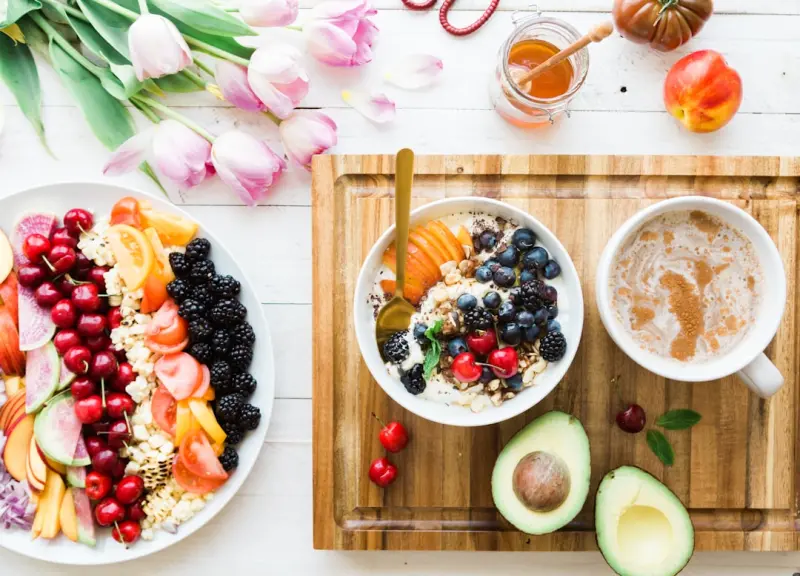
When I first swapped sugary snacks for a morning bowl of oat‑flax porridge topped with fermented berries, my afternoon slump evaporated within days. The gut felt calmer, and my mental clarity sharpened.
2. Move Like a Molecule: Gentle Activity for Digestion
Even modest movement can stimulate the gut’s motility. I found that a 10‑minute walk after lunch—no high‑intensity interval needed—helps keep food moving and reduces bloating.
For those glued to a desk, consider a hydration strategy that pairs water intake with short stretch breaks. Staying hydrated not only supports digestion but also helps the intestinal lining stay supple, preventing leaky gut symptoms.
3. Mindful Eating: Slow Down, Tune In
Rushing meals sends stress hormones straight to the gut, compromising the barrier that keeps unwanted microbes out. I adopted a “one‑bite‑at‑a‑time” mantra:
- Put the fork down between bites.
- Chew each mouthful at least 20 times.
- Notice texture, flavor, and temperature.
This simple practice turns eating into a meditation, lowering cortisol and giving beneficial bacteria a calmer environment to thrive.
When Creativity Meets Gut Health
It may sound odd, but a flourishing microbiome can spark creative breakthroughs. I noticed that on days when my gut felt “balanced,” ideas flowed without the usual mental static. Researchers link short‑chain fatty acids to enhanced neuroplasticity—the brain’s ability to form new connections.
So, the next time you’re stuck on a project, consider a quick gut‑friendly snack: a handful of walnuts (omega‑3s plus fiber) with a spoonful of kimchi. Your gut gets a boost, and your brain may reward you with fresh perspectives.
Tracking Your Progress Without Obsessing
While it’s tempting to log every bite in a spreadsheet, a lighter approach works better for long‑term consistency:
- Morning Check‑In: Rate your gut comfort on a 1‑5 scale. Note any bloating, gas, or urgency.
- Energy Snapshot: Jot down three words that describe your energy level before and after lunch.
- Mood Log: Use a simple emoji or color code to capture emotional tone throughout the day.
After a week, review patterns. If you notice that days with a fermented snack align with higher scores, you’ve found a personal gut‑mood connection.
Common Pitfalls and How to Sidestep Them
- Over‑reliance on Supplements: Probiotics can help, but they’re not a substitute for a fiber‑rich diet.
- Going Cold‑Turkey on Sugar: Sudden elimination can cause withdrawal symptoms; taper gradually while adding gut‑friendly foods.
- Ignoring Sleep: Poor sleep disrupts circadian rhythms that regulate gut bacteria. Aim for 7‑8 hours of uninterrupted rest.
Putting It All Together: A Sample Day
Here’s a realistic snapshot of how I integrate gut‑centric habits into a busy work‑from‑home routine:
- 7:00 am – Warm water with a splash of lemon; kefir smoothie with spinach and chia seeds.
- 9:30 am – 5‑minute breathing pause (yes, a quick nod to the breath biofeedback trend, but without the gadget).
- 12:00 pm – Quinoa bowl with roasted veggies, a dollop of sauerkraut, and a side of mixed berries.
- 12:15 pm – 10‑minute walk around the block, sipping water from a reusable bottle.
- 3:00 pm – Handful of almonds + a piece of dark chocolate (rich in polyphenols).
- 6:00 pm – Grilled salmon, steamed broccoli, and a small serving of kimchi.
- Evening – Light stretching, journal notes on gut comfort, and a tech‑free hour before bed.
This routine isn’t a rigid checklist; it’s a flexible framework that honors both my professional commitments and my gut’s needs.
Final Thoughts: Trust Your Inner Ecosystem
When we think about health, we often focus on the obvious—exercise, cardio, calorie counting. Yet the most influential organ for mood and vitality might be the one we barely notice: the gut. By feeding it wisely, moving gently, and honoring the act of eating, you give yourself a silent but powerful ally. Your brain will thank you with clearer thoughts, steadier energy, and perhaps even a spark of creativity you didn’t know was waiting to emerge.
So, the next time you reach for a mid‑afternoon snack, ask yourself: “What will my gut think of this?” The answer could be the key to unlocking a healthier, more vibrant you.

In the world of freelance writing, where creativity and adaptability are paramount, Michelle Fisher stands out as a dedicated and versatile professional. With a passion for crafting compelling narratives and a keen eye for detail, Michelle has established herself as a trusted voice.
Related Posts

Why Desk Movement Bursts Are the New Wellness Frontier
Short, intentional movement bursts at your desk can combat sedentary stress, improve focus, and elev... Read More

Unlocking the Power of Your Body Clock: A New Playbook for Peak Health
Learn practical, science‑backed strategies to sync your daily routine with your internal clock, im... Read More

The Wild Prescription: How Forest Bathing Boosts Modern Health
Forest bathing, rooted in Japanese shinrin‑yoku, offers measurable health benefits—from reduced ... Read More
Top Posts

How a Garden Desk Became My Home’s Creative Hub
A garden desk can turn any backyard into a thriving workspace, blending nature with productivity for a healthier, more creative home life....Read More

When Algorithms Meet Empathy: Harnessing AI for Human‑Centric Decision‑Making
Artificial intelligence can be a powerful decision‑making partner, but only when it’s grounded in human values. This post outlines a three‑pillar framewor...Read More
Breathing Your Way to Peak Performance: A Remote Professional’s Guide
Discover practical breathing techniques, integrate them into your remote work routine, and see measurable gains in focus and wellbeing....Read More

Turn Your Backyard Into a Pollinator Powerhouse: Step‑by‑Step Blueprint
Discover a hands‑on guide to converting any backyard into a thriving pollinator sanctuary, featuring native plant picks, water‑saving tips, and low‑mainte...Read More
0 Comments
Post Comment
You will need to Login or Register to comment on this post!