
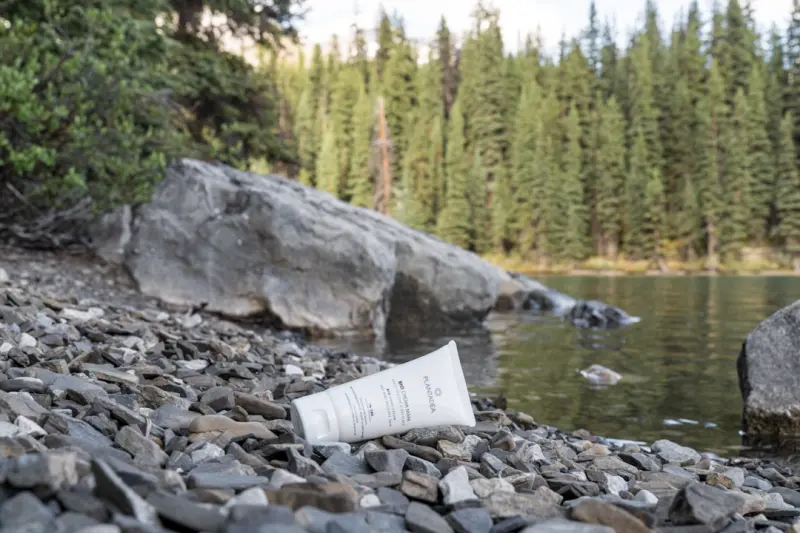
Imagine stepping into a cathedral of green, where the canopy overhead filters sunlight into a mosaic of gold and the air hums with the subtle chorus of leaves. This isn’t a scene from a fantasy novel—it’s the reality of forest bathing, a practice rooted in Japan’s shinrin‑yoku tradition that is rapidly gaining scientific validation as a potent health booster for our hyper‑connected lives.
What Is Forest Bathing, Really?
Forest bathing isn’t a hike, a jog, or a wilderness survival test. It’s a mindful immersion in nature that engages all five senses, encouraging the body and mind to recalibrate. The goal isn’t to conquer a summit or burn calories; it’s to slow down and let the forest’s subtle stimuli do the work.
The Science Behind the Green Prescription
Recent studies from universities across the globe have revealed measurable physiological changes after just a few hours among the trees. Here are the most compelling findings:
- Reduced cortisol levels: Cortisol, the stress hormone, can drop by up to 20% after a 2‑hour forest immersion.
- Lowered blood pressure and heart rate: The parasympathetic nervous system kicks in, promoting a state of relaxation similar to meditation.
- Enhanced immune function: Exposure to phytoncides—volatile organic compounds released by trees—boosts the activity of natural killer (NK) cells, which target viruses and cancerous cells.
- Improved mood and cognition: Participants report higher scores on mood questionnaires and better performance on attention‑related tasks.
These outcomes are not merely anecdotal; they’re backed by peer‑reviewed research that links forest exposure to measurable health markers. For busy professionals, the data offers a compelling case: a short, intentional walk in the woods can be as effective as a cup of coffee for mental clarity—without the jittery side effects.
Why Modern Lifestyles Need a Dose of Green
Our daily routines are dominated by screens, artificial lighting, and indoor climates. This creates a sensory mismatch: our bodies evolved to respond to natural cues, but we constantly feed them synthetic ones. The result is “nature deficit disorder,” a term coined by author Richard Louv to describe the erosion of our innate connection to the environment.
When we deny ourselves the restorative signals that forests provide, we inadvertently amplify stress, disrupt circadian rhythms, and weaken immune defenses. Forest bathing serves as a corrective measure—a natural antidote to the chronic overstimulation of urban life.
How to Practice Forest Bathing Without Being an Expert
Getting started is easier than you might think. Here’s a step‑by‑step guide that fits into even the busiest schedule:
- Choose Your Forest: Look for local parks, nature reserves, or even a tree‑lined urban trail. The key is foliage density—not the size of the forest.
- Leave Distractions Behind: Turn off notifications, leave the phone in your bag (or at home), and resist the urge to check your watch.
- Engage Your Senses:
- Notice the colors of leaves and bark.
- Listen for the rustle of wind, bird calls, or distant water.
- Feel the texture of bark, moss, or the soil beneath your feet.
- Smell the earthy aroma of pine or fresh rain.
- If you’re comfortable, taste a safe edible leaf or sip water from a clean spring.
- Move Gently: Walk slowly, pausing frequently to take in your surroundings. Avoid rushing or exercising intensely; the goal is contemplation, not cardio.
- Practice Breath Awareness: Inhale slowly through the nose, letting the forest’s scent fill your lungs, then exhale fully. This simple technique amplifies the calming effect of the environment.
- Stay for 30–90 Minutes: Research suggests that a minimum of 30 minutes yields measurable benefits, while longer sessions deepen the impact.
Remember, forest bathing is a practice, not a performance. The emphasis is on presence, not progress.
Integrating Forest Bathing with Other Wellness Habits
Forest bathing can be the missing link that ties together various health rituals you may already be practicing. For example, after a session, you might:
- Journal about the sensations you experienced, reinforcing mindfulness.
- Enjoy a cup of herbal tea brewed with locally foraged herbs, extending the natural theme.
- Combine the experience with soundscape therapy by listening to recordings of forest sounds later in the day, sustaining the calm.
- Follow up with micro‑movement stretches to keep the body limber without breaking the relaxed state.
These synergistic practices amplify the benefits, turning a single forest walk into a holistic health protocol.
The Role of Community in Forest Bathing
While solitary immersion is valuable, sharing the experience with a small, mindful group can deepen the impact. Group forest bathing sessions foster a sense of belonging, which is itself a critical health factor. Studies link social connection to lower inflammation and longer lifespan.
If you’re interested, consider starting a forest wellness circle at your workplace or community center. Schedule a monthly walk, rotate the leadership role, and encourage participants to share observations. This not only spreads the health benefits but also builds a supportive network.
Potential Pitfalls and How to Avoid Them
As with any health practice, there are common missteps:
- Turning it into a workout: Excessive pace or heavy backpacks negate the relaxation response. Keep it light.
- Ignoring allergies or safety: Check for pollen counts, tick activity, and ensure the area is safe for foot traffic.
- Over‑reliance on gadgets: The temptation to document the experience with photos or audio recordings can pull you out of the present moment. If you must capture memories, do so mindfully and briefly.
Forest Bathing for Different Life Stages
Students: A 20‑minute campus green space break can sharpen focus before exams.
Professionals: A lunchtime forest walk can reset stress levels, improving afternoon productivity.
Seniors: Gentle, flat‑terrain walks support joint health while delivering immune benefits.
Future Trends: Bringing the Forest Indoors
Urbanization is prompting innovators to recreate forest benefits inside office buildings and homes. Biophilic design—integrating natural elements like living walls, indoor trees, and daylight—aims to simulate the forest’s restorative qualities. While nothing replaces a real forest, these environments can provide a supplemental dose of green for those who lack easy access.
Moreover, emerging tech such as layered sensory self‑care platforms are blending VR forest simulations with real‑time biofeedback, allowing users to monitor heart rate variability as they “walk” through a digital canopy.
Take the First Step Today
Start small. Find a patch of trees near your home or office, set aside an hour, and let the forest do its quiet work. Over time, you’ll notice a shift—a deeper sense of calm, sharper mental clarity, and a resilient immune system ready to face whatever comes next.
In a world that constantly pushes us to do more, the most radical act of health may simply be to stand still among the trees and breathe.

Jimmy Damon loves to right on a large scale of topics with all things Canadian as this Montreal die hard loves hockey. fishing and sports.
Related Posts

Micro‑Movements: Tiny Exercise Hacks for a Healthier Workday
Micro‑movements—short, purposeful actions like stretches, calf pumps, and desk‑side squats—o... Read More

When Your Stress Tracker Becomes a Game: The Rise of Biofeedback Play
Discover how wearable sensors and game mechanics combine to turn stress signals into points, challen... Read More

Embracing the Cold: How Ice Baths and Chill Practices Can Transform Your Health
Cold exposure therapy, from brief cold showers to ice baths, offers a cascade of physiological benef... Read More
Top Posts
Unlocking the Hidden Power of Posture: A Simple Path to Better Digestion, Mood, and Energy
Learn how tiny posture tweaks can transform digestion, uplift mood, and sustain energy—all without costly equipment or complex routines....Read More

Smart Irrigation on a Budget: Tech‑Savvy Water‑Wise Gardening
Discover affordable smart irrigation hacks that turn any garden into a water‑wise oasis, using tech‑savvy tools to save resources, reduce bills, and nurture...Read More

Beyond the Office: Rethinking Employment in a Distributed World
A deep dive into how remote‑first workplaces are redefining performance metrics, culture, talent acquisition, and technology, offering actionable steps to thr...Read More

Unlocking Calm: A Breathwork Blueprint for High‑Performance Professionals
Master simple breathwork strategies that transform stress into focus, improve decision‑making, and elevate overall health—no yoga mat required....Read More
0 Comments
Post Comment
You will need to Login or Register to comment on this post!