
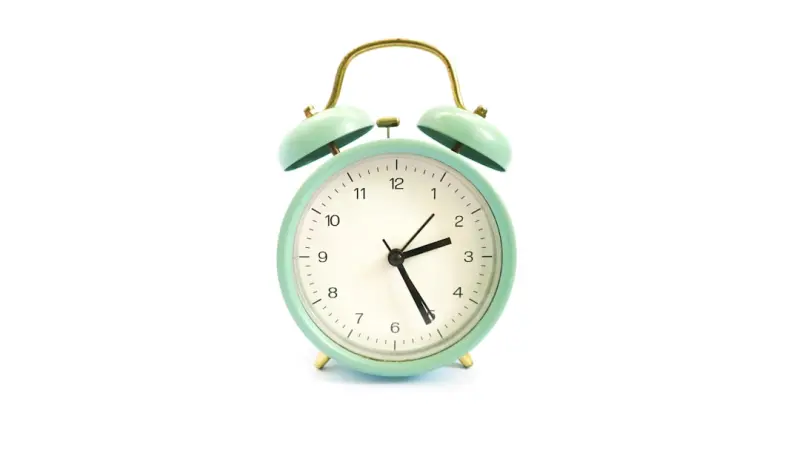
Why Your Body Clock Is the Hidden CEO of Your Health
When people ask me how I stay energized through back‑to‑back meetings, endless travel, and a family that thinks bedtime is a suggestion, I smile and point to the invisible scheduler inside each of us: the circadian rhythm. This 24‑hour internal clock isn’t just a quirky biological fact—it’s the command center that decides when we feel alert, when we digest food efficiently, and even how well our immune system fights off the next cold.
The Science Behind the Rhythm
Every cell in our body carries a tiny timepiece called a clock gene. These genes turn on and off in a synchronized dance, driven primarily by light exposure, meal timing, and activity patterns. When the choreography is on point, hormones like cortisol and melatonin rise and fall at just the right moments, leading to optimal sleep, metabolism, and mood.
Disrupt this dance—by pulling all‑night Netflix marathons, late‑night snacks, or irregular shift work—and the whole system goes off‑beat. The result? Slower metabolism, higher stress hormones, and a higher risk of chronic conditions such as diabetes, obesity, and cardiovascular disease.
From Theory to Practice: 7 Everyday Hacks to Sync Up
Below are practical, research‑backed moves you can start implementing today. They’re low‑tech, low‑cost, and fit neatly into a busy professional’s schedule.
- Morning Light, Not Coffee. Within the first 30 minutes of waking, step outside or sit by a bright window. Natural sunlight suppresses melatonin, signaling your brain that it’s daytime. If the sunrise is still hidden behind skyscrapers, a simple light trick—using a cool‑white lamp at 5,000–6,500 K—can mimic that effect.
- Eat When Your Body Is Ready. Our gut’s ability to process food peaks during daylight hours. Aim for the largest meal before 6 p.m., and keep late‑night eating to a light protein snack if you’re truly hungry. This aligns insulin sensitivity with the body’s natural metabolic peak.
- Move in Sync with the Sun. Light‑guided movement doesn’t mean a full‑blown gym session. A 5‑minute stretch series in the morning, a brisk walk at lunch, and a short walk after dinner keep the clock ticking and improve circulation.
- Strategic Naps. If you need a boost, a 20‑minute power nap in the early afternoon (between 1 p.m. and 3 p.m.) can rejuvenate without disrupting nighttime melatonin production.
- Digital Sunset. Reduce blue‑light exposure at least an hour before bed. Use night‑shift settings on devices or wear amber‑tinted glasses. If you need a little light, a low‑intensity red lamp is ideal.
- Temperature Tuning. Your core body temperature drops by about 1 °F during sleep. A cooler bedroom (around 65 °F/18 °C) signals that it’s time to wind down. In the morning, a slightly warmer environment helps you wake up.
- Consistent Sleep Schedule. Go to bed and wake up at the same time, even on weekends. This steadiness trains the suprachiasmatic nucleus—the brain’s master clock—to keep the rest of the body in line.
How Technology Can Help (Without Taking Over)
We live in a world where gadgets promise to “fix” everything, but the best tech for circadian health is subtle, supportive, and respects natural rhythms. For instance, smart home platforms can automate lighting transitions from bright, cool light in the morning to warm, dim tones at night, creating an ambient cue for your brain. If you’re curious about a broader eco‑friendly upgrade, check out smart home hacks that also happen to improve your sleep environment.
Wearable trackers that monitor heart rate variability (HRV) can give you a snapshot of how well your body is recovering each night. Use the data as a feedback loop: if HRV dips, you might need to tighten your evening light routine or adjust your dinner timing.
Case Study: The “Chrono‑Fit” Routine
Let me walk you through a week I designed for a client—a senior product manager who struggled with afternoon crashes and restless nights. The plan, which I call “Chrono‑Fit,” combined the seven hacks above with a few personalized tweaks.
- Day 1–2: Light Calibration. We installed a timer‑controlled smart bulb in the office that shifted from 6,500 K (morning) to 2,700 K (evening). The client reported a noticeable lift in focus by mid‑morning.
- Day 3–4: Meal Shifting. Breakfast became protein‑rich (Greek yogurt, nuts), lunch was a balanced bowl, and dinner was a light salad with grilled fish before 6 p.m. Blood sugar spikes flattened, and the afternoon slump vanished.
- Day 5–7: Wind‑Down Ritual. A 10‑minute “breath reset” session—simple diaphragmatic breathing—paired with a dim red lamp for the final hour before bed. This routine dovetailed nicely with the breath reset method we’ve highlighted before, but here the focus was on signaling sleep readiness rather than stress alone.
Result? Within three nights, the client’s sleep latency (time to fall asleep) dropped from 30 minutes to under 10, and HRV improved by 12 %. Energy levels steadied, and the dreaded post‑lunch dip became a thing of the past.
The Bigger Picture: Circadian Health and Chronic Disease
Numerous studies now link circadian misalignment with increased inflammation, higher cortisol levels, and impaired immune response. For professionals who spend long hours in front of screens, the risk is amplified. By realigning daily habits, you’re not just chasing better sleep—you’re potentially reducing the long‑term risk of metabolic syndrome, certain cancers, and neurodegenerative diseases.
Quick “Start‑Now” Checklist
Print this out, stick it on your fridge, and tick off each item for a week. Notice the subtle shifts in mood, focus, and sleep quality.
- ☑ Open curtains or step outside within 30 minutes of waking.
- ☑ Schedule your biggest meal before 6 p.m.
- ☑ Take a 5‑minute stretch break after each hour of sitting.
- ☑ Use a cool‑white lamp for morning work and a warm, dim lamp after 8 p.m.
- ☑ Set a bedtime alarm to remind yourself to start winding down.
- ☑ Keep your bedroom temperature around 65 °F (18 °C).
- ☑ Limit caffeine after 2 p.m. and avoid screens an hour before sleep.
Future Trends: Personalizing the Clock
The next wave of health tech will likely focus on individualized chronotypes—the natural tendency to be a “lark” (morning person) or “owl” (night person). Companies are already developing AI‑driven apps that analyze your sleep patterns, activity, and even genetic markers to suggest the optimal schedule. While we wait for those tools to become mainstream, the foundational principles remain the same: light, food, movement, and temperature are the levers you can pull today.
Takeaway: Your Clock Is a Competitive Advantage
In a world that glorifies hustle, aligning with your body’s natural rhythm can feel like an act of rebellion. But it’s also a strategic move—one that can sharpen focus, boost creativity, and protect long‑term health. So the next time you’re tempted to binge‑watch a series until 2 a.m., remember that the same hour could be powering up your metabolism, sharpening your brain, and setting the tone for tomorrow’s performance.
Start small, stay consistent, and let your internal CEO run the show.

Jimmy Anand is a content creator that gets inspired by many aspects of life, internet or whatever inspires him at that moment. When he's not online he's gaming and when he is not gaming he is online trolling discussion boards.
Related Posts
Sleep Smarter: Night‑time Strategies for a Sharper Day
A practical guide to mastering sleep through light management, breathwork, consistent rituals, and a... Read More
Why Light Is the Missing Piece in Remote‑Work Health
A deep dive into how proper light exposure reshapes circadian rhythms, improves gut health, and elev... Read More

Why Laughter May Be the Best (and Simplest) Health Prescription
Laughter does more than lift spirits; it triggers endorphins, enhances immune function, and reduces ... Read More
Top Posts
Soundproof Your Sanctuary: Practical Home Acoustics Hacks
Learn how to tame unwanted noise with affordable tweaks, DIY acoustic panels, strategic furniture placement, and digital boundaries, turning any room into a qui...Read More
The Myth of “Fixed” Mental Health
When I first started treating my mind like a gym, the results were nothing short of a revelation. Most of us think of mental health as a static state—somethin...Read More
Skill-Based Hiring Beats Degrees
Explore the rise of skill‑based hiring, learn to turn personal projects into career assets, and see how micro‑internships and digital badges are reshaping e...Read More
Micro‑Internships and Gig Cooperatives: New Paths to Employment Security
Explore the power of short‑term, project‑focused micro‑internships and collaborative gig cooperatives, offering rapid skill development and a community sa...Read More
0 Comments
Post Comment
You will need to Login or Register to comment on this post!