

Why Breath Matters More Than You Think
When I first started logging my days as a remote consultant, I treated breathing like background noise—something my body did without my permission. A few months in, a sudden spike in brain fog made me realize I’d been ignoring the most accessible tool in my wellness toolbox: my breath. The difference between a scattered mind and a razor‑sharp focus often boils down to a single, conscious inhale.
The Science Behind Breathwork
Modern research shows that controlled breathing directly influences the autonomic nervous system. By tweaking the ratio of inhalation to exhalation, you can shift the balance between the sympathetic (fight‑or‑flight) and parasympathetic (rest‑and‑digest) branches. A few key findings:
- CO₂ Tolerance: Slower exhalations increase carbon dioxide tolerance, which improves oxygen delivery to the brain and steadies heart rate.
- Vagus Nerve Activation: Gentle, rhythmic breathing stimulates the vagus nerve, lowering cortisol and fostering a sense of calm.
- Neuroplasticity Boost: Regular breathwork trains the brain to recover faster from stress, enhancing focus and memory retention.
In short, breath isn’t just a life‑supporting reflex; it’s a lever you can pull to fine‑tune mental performance.
My Personal Breathwork Routine (And How to Build Yours)
Below is the step‑by‑step routine that helped me reclaim my concentration during back‑to‑back video calls. Feel free to adapt the timing to fit your schedule.
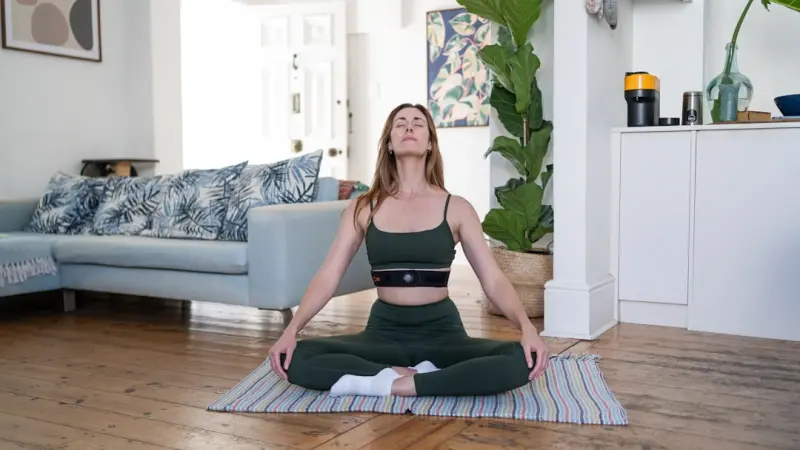
- Morning Grounding (3 minutes): Sit upright at your desk, close your eyes, and inhale through the nose for a count of four, hold for two, then exhale through the mouth for six. Repeat eight times.
- Pre‑Meeting Reset (2 minutes): Before any high‑stakes call, stand, place both hands on your thighs, and practice the 4‑7‑8 technique: inhale 4, hold 7, exhale 8. This calms nerves and sharpens articulation.
- Mid‑Day Re‑oxygenation (5 minutes): Take a short walk to a window or balcony. Perform a series of box breaths—inhale 4, hold 4, exhale 4, hold 4. The rhythmic pattern steadies blood pressure and revitalizes brain cells.
- Evening Wind‑Down (4 minutes): Lie on your back, place a light weight (like a small book) on your abdomen, and practice diaphragmatic breathing: inhale slowly, feeling the weight rise, then exhale fully. This signals the brain that the day is over.
Consistency is key. Treat each session as a non‑negotiable meeting with yourself, just like a client call.
Integrating Breathwork Into Remote Work Culture
Many remote teams view productivity as a race against the clock, but breathing can become a shared performance booster. Here’s how to embed it without disrupting workflow:
- Scheduled “Breath Breaks”: Block 5‑minute slots on the team calendar. Encourage everyone to step away from screens and practice a quick breathing cycle.
- Live Guided Sessions: Rotate who leads a 3‑minute breath practice during stand‑ups. It builds camaraderie and normalizes mental health care.
- Digital Reminders: Use a simple Slack bot that pings the channel with a breathing cue—e.g., “Take a 4‑7‑8 now!”—at randomized intervals.
These micro‑interventions foster a collective sense of calm, which translates into clearer communication and fewer missteps during collaborative projects.
Pairing Breathwork With Your Workspace Environment
Physical surroundings amplify the benefits of breathwork. A well‑curated desk can become a sanctuary for your lungs as much as for your laptop. One of my favorite upgrades has been adding a modest collection of low‑maintenance desk plants. Not only do they purify the air, but they also serve as visual reminders to pause and inhale.
Discover more about the impact of greenery on wellbeing by checking out desk plant benefits. The synergy between fresh oxygen from plants and intentional breathing creates a feedback loop that keeps mental fog at bay.
Designing Daily Rituals Around Breath
Every habit thrives on context. By anchoring breathwork to existing routines, you reduce the friction of starting a new practice. For instance, link your first cup of coffee to a quick 30‑second breath check, or pair the end of a coding sprint with a short diaphragmatic session.
To see how other small habit tweaks can compound into big health gains, explore daily ritual design. The principle is the same: choose a trigger you already perform, then attach a breath exercise to it.
Advanced Breath Techniques for High‑Performers
If you’ve mastered the basics, consider these advanced methods that elite athletes and CEOs swear by:
- Alternate Nostril Breathing (Nadi Shodhana): Balances left‑right brain activity. Close the right nostril, inhale left, close left, exhale right, then repeat. Great before strategic brainstorming.
- Wim Hof Method: Combines hyperventilation cycles with cold exposure. The cold shock amplifies adrenaline, while the breath holds improve tolerance to stress.
- Resonance Breathing (5.5 breaths per minute): Targeted heart‑rate variability training. Use a metronome or a smartphone app to keep the rhythm steady.
These techniques demand more discipline and, in some cases, medical clearance. Start slowly and observe how your body reacts before committing fully.
Common Pitfalls and How to Avoid Them
Even with the best intentions, many people stumble when integrating breathwork:
- Over‑thinking the Process: If you find yourself counting too precisely, switch to a mantra (“calm” on inhale, “release” on exhale) to keep the mind relaxed.
- Ignoring Posture: Slouching compresses the diaphragm. Keep shoulders relaxed, spine tall, and feet flat on the floor.
- Skipping Consistency: Sporadic practice yields minimal benefit. Treat each session like a client deliverable—track it in your task manager.
Addressing these obstacles early ensures your breathwork habit remains sustainable.
Measuring the Impact
Quantifying the effect of breathwork can reinforce its value. Here are three low‑effort metrics you can monitor:
- Heart Rate Variability (HRV): Many wearables provide daily HRV scores. A rising trend often signals improved stress resilience.
- Focus Duration: Use a Pomodoro timer. If you notice longer, uninterrupted work blocks after breath sessions, you’ve hit a productivity boost.
- Subjective Energy Levels: Rate your energy from 1‑10 before and after each breath practice. Track patterns over weeks.
When the numbers start moving in the right direction, you’ll have concrete proof that a few minutes of intentional inhaling can outperform a full‑day of multitasking.
Wrapping Up: Breath as Your Remote Superpower
Remote work often feels like a marathon of Zoom calls, endless Slack threads, and a constant juggle of personal and professional demands. By turning breathing into a deliberate, repeatable practice, you gain a silent ally that sharpens focus, steadies emotions, and fuels creativity—all without a single software update.
Give yourself the gift of a few minutes each day, anchor it to an existing habit, and watch your mental bandwidth expand. Your future self—still in the same home office, but operating at a higher level—will thank you.

Jimmy Damon loves to right on a large scale of topics with all things Canadian as this Montreal die hard loves hockey. fishing and sports.
Related Posts

Cold Therapy at Work: Boost Energy and Immunity with Simple Chills
Integrating short bursts of cold—like a face splash or a quick ice‑water hand dip—into the wor... Read More

Walking Meditation: A Simple Step Toward Lasting Calm
Explore the power of walking meditation: a portable, science‑backed practice that blends movement ... Read More
Breathing Into Health: Simple Practices for Immune Strength
Karen Edwards explains why intentional breathing is a powerful, low‑cost tool for strengthening im... Read More
Top Posts

Balcony Bounty: Building a Year‑Round Mini Garden in Small Spaces
Discover how to transform a modest balcony into a productive, beautiful garden using space‑saving containers, seasonal planting strategies, and simple care ro...Read More

AI as Mediator: Cutting Bias in the Workplace
AI can act as a silent mediator, detecting hidden bias in hiring, performance reviews, and project assignments. By leveraging natural language processing and ca...Read More

Quiet Power: Hidden Home Hacks That Boost Daily Productivity
Learn how to master acoustic treatment, layered lighting, smart storage, and micro‑habits to turn your home into a low‑stress, high‑output environment....Read More

The Power of Curiosity: A Fresh Path to Mental Well‑Being
Explore how cultivating curiosity rewires the brain for stress resilience, sparks creativity, and builds stronger social connections—offering a practical, sci...Read More
0 Comments
Post Comment
You will need to Login or Register to comment on this post!