
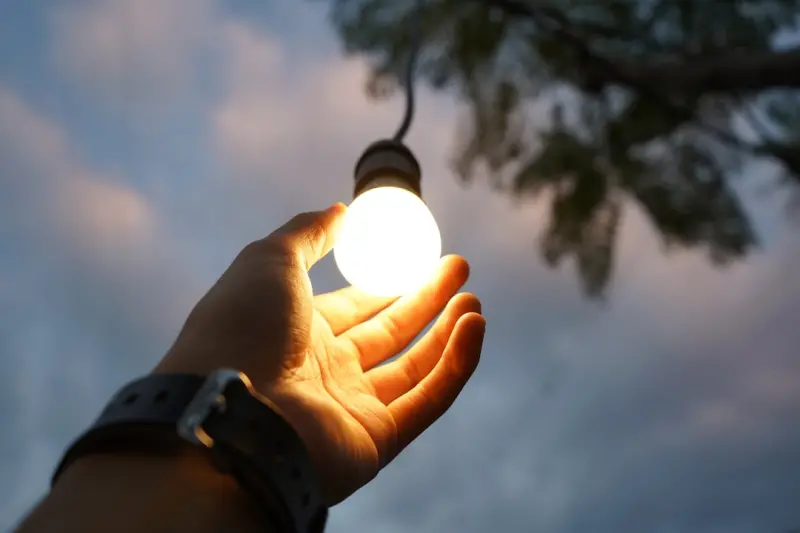
Why Natural Light Matters More Than You Think
When I first moved into my downtown apartment, I underestimated the power of a well‑lit room. A morning sunbeam spilling across the kitchen table instantly lifted my mood, while a dim hallway felt like a perpetual pause button on my energy. Light isn’t just a visual cue; it’s a biochemical messenger that regulates circadian rhythms, mood, and even metabolism. In the hustle of modern life, we often rely on artificial bulbs to fill the void, but those LEDs can’t replicate the full spectrum of sunlight. By deliberately inviting more natural light into our homes, we tap into a free, sustainable resource that boosts productivity, enhances sleep quality, and reduces the need for excessive heating or cooling.
Map Your Light Zones: A Room‑by‑Room Audit
Before you buy any new lamps or curtains, walk through each space with a notebook. Observe how the sun moves throughout the day: where does it strike at sunrise? Where does it linger at noon? Which corners remain in perpetual shadow? Sketch a quick floor plan and shade the areas that receive direct sun, bright indirect light, and low light. This simple audit reveals hidden opportunities—like a north‑facing office that can benefit from a reflective wall or a dark bedroom that could use a skylight‑style light tube.
Tip: Use your smartphone’s light‑meter app to quantify lux levels. Aim for 300–500 lux in work areas, 150–300 lux in living spaces, and under 100 lux in relaxation zones. Knowing the numbers helps you match light‑enhancing strategies to each zone’s needs.
Strategic Mirror Placement for Light Multiplication
Mirrors are the unsung heroes of brightening interiors. By reflecting sunlight deeper into a room, a well‑placed mirror can increase perceived brightness by up to 50 %. Position a large, frameless mirror opposite a window or at a 45‑degree angle to bounce light across the floor. In narrow hallways, a vertical mirror can turn a cramped passage into a luminous corridor.
Don’t limit yourself to wall mirrors. Consider a mirrored backsplash in the kitchen, a mirrored closet door, or even a decorative floor‑standing mirror that doubles as a statement piece. The key is to keep the reflective surface clean—dust and fingerprints diminish the light‑boosting effect.
Light‑Reflective Paints and Finishes
Color plays a subtle yet powerful role in light distribution. Light‑reflective paints—those with high L* (lightness) values—bounce more sunlight than darker pigments. Soft whites, warm beiges, and pale pastels can amplify natural light without creating a sterile look.
- Ceiling first: Paint ceilings a shade lighter than the walls. A bright ceiling acts like a diffuser, scattering light downwards.
- Accent walls: Use a glossy finish on a single wall to create a focal point that catches sunbeams.
- Flooring: Light‑colored wood or polished concrete reflects light upward, adding to the overall brightness.
For a low‑cost upgrade, try a matte, high‑gloss hybrid paint that offers the reflective qualities of gloss without the glare.
Window Treatments That Invite Light
Heavy drapes are often the default for privacy, but they also become light‑blocking villains. Swap them for sheer panels, bamboo blinds, or adjustable louvers. Sheer curtains filter sunlight, softening glare while preserving privacy. For rooms that need occasional darkness—like home theaters—install a dual‑layer system: a sheer inner layer for daytime and a blackout outer layer for evening use.
Consider temperature tweaks that boost health by using window coverings that also act as insulators. During winter, a simple thermal liner on the back of a sheer curtain traps heat without sacrificing daylight.
Reflective Surfaces Beyond Mirrors
Glass tabletops, polished metal fixtures, and glossy ceramics all bounce light. A glass coffee table in a living room can reflect sunlight onto a nearby sofa, while a chrome faucet in the bathroom adds sparkle to morning routines. Even decorative items—like a crystal vase or a mirrored photo frame—contribute to an overall brighter ambience.
When choosing accessories, prioritize materials with a high specular reflectance. A curated collection of reflective objects can turn a modest space into a luminous showcase.
Maximizing Light in Low‑Light Rooms
Some rooms, such as basements or interior bathrooms, receive little to no natural light. Here, artificial solutions can mimic daylight without compromising energy efficiency. Look for full‑spectrum LED bulbs with a Color Rendering Index (CRI) of 90 + and a color temperature of 5,000–6,500 K. These bulbs replicate the sun’s spectrum, supporting circadian rhythms.
For an added boost, install a light‑tube (also called a tubular daylight collector). These slim, reflective tubes capture sunlight from the roof and channel it through a diffuser into interior spaces. A single light‑tube can provide up to 30 % of the illumination a window would, without any external glare.
Acoustic Benefits of Light‑Friendly Design
While you focus on visual brightness, remember that sound quality also improves in well‑lit environments. Hard, reflective surfaces that enhance light often double as acoustic reflectors, reducing echo and creating a clearer soundscape. If you’re adding a mirror or glass shelf, consider pairing it with a soft rug or acoustic panel to balance the sound.
For deeper acoustic insights, see acoustic improvements for a calmer home. Integrating light and sound strategies yields a space that feels both airy and serene.
Seasonal Light‑Shaping Strategies
Sun angles shift dramatically between seasons. In summer, high‑angle sun can cause glare, while winter’s low sun may leave corners dim. Adjust your approach accordingly:
- Summer: Use adjustable louvers or external awnings to filter harsh midday light while still allowing soft, indirect illumination.
- Winter: Keep windows unobstructed, open interior doors to let light flow, and consider a solar‑gain window film that traps heat without darkening the room.
- Spring/Fall: This is the sweet spot for reflective décor; the sun’s angle provides balanced illumination perfect for showcasing art or plants.
Integrating Plants for Light Diffusion
Strategically placed indoor plants do more than purify air—they act as natural diffusers. Large-leafed plants like monstera or rubber plant can scatter sunlight, softening harsh spots and creating a gentle, dappled glow. Position them near windows to catch direct light, then let their foliage spread that light throughout the room.
For a low‑maintenance option, try succulents on a sunny windowsill. Their fleshy leaves store light and release it slowly, contributing to a subtle, ambient brightness even after the sun sets.
Energy Savings Through Light Management
Increasing natural light isn’t just an aesthetic choice; it’s a smart energy move. By reducing reliance on artificial lighting during daylight hours, you can lower electricity consumption by up to 30 %. Pair light‑enhancing tactics with motion‑sensor switches for areas like hallways and closets. When you combine daylight with smart controls, you create a home that’s both radiant and efficient.
Don’t forget to clean your windows regularly. A thin film of dust can reduce transmission by 15 % or more. A quick squeegee session each season keeps the sun’s rays at full strength.
Personal Touches: Color, Art, and Light
Artwork and decorative pieces can become light amplifiers. Choose pieces with bright, reflective accents—metallic frames, glossy finishes, or light‑colored subjects. Hang them where they’ll catch sunlight, turning a simple wall into a dynamic, ever‑changing gallery.
Consider a statement piece like a large, light‑colored abstract painting placed opposite a window. The colors will come alive as the sun moves, creating a living, breathing focal point that evolves throughout the day.
Maintaining the Bright Home Routine
To keep your home luminous year after year, schedule quarterly light audits. Check for:
- Dirty windows or mirrors.
- Worn‑out reflective paint or faded finishes.
- Outdated light‑tube filters.
- Seasonal adjustments in window treatments.
By staying proactive, you’ll ensure that each room stays bathed in the optimum amount of natural light, preserving both aesthetics and well‑being.
Final Thought: Light as a Lifestyle
Embracing natural light is more than a design hack; it’s a lifestyle shift. It encourages you to rise with the sun, pause in sunlit corners, and let the day’s rhythm guide your activities. As you experiment with mirrors, paint, and thoughtful window treatments, you’ll discover that a brighter home also brightens your mind. Let the sun in, and let your home become a daily source of energy, health, and inspiration.

Sanji Patel has dedicated 25 years to the SEO industry. As an expert SEO consultant for news publishers, he emphasizes providing both technical and editorial SEO services to news publishers worldwide. He frequently speaks at conferences and events globally and offers annual guest lectures at local universities.
Related Posts
Illuminating Your Home: Simple Lighting Hacks for Comfort, Focus, and Savings
Learn how to transform every room with smart lighting choices—from natural light tricks to budget-... Read More
Budget-Friendly Acoustic Upgrades for a Peaceful Home Office
Discover practical, low‑cost ways to tame noise in your home office, using rugs, curtains, DIY pan... Read More
Hidden Harmony: Simple Home Tweaks for Calm and Clarity
Learn how to turn overlooked corners into calming micro‑sanctuaries with affordable materials, aco... Read More
Top Posts
Closet Revamp: Turning Your Storage Space into a Personal Styling Studio
Discover a step‑by‑step guide to turn your cluttered closet into a personal styling studio, using modular storage, mood‑setting lighting, and weekly reset...Read More

Beyond Burnout: How Playful Digital Spaces Rewire Our Brain for Calm
A deep dive into how playful digital spaces—interactive zones, adaptive lighting, and gamified challenges—can transform workplace mental health, reduce burn...Read More
The Secret Power of Structured Daydreaming for Mental Resilience
Structured daydreaming transforms aimless mind‑wandering into a purposeful mental workout, strengthening cognitive flexibility, reducing stress, and sparking ...Read More

Simplify Your Personal Care for a Radiant Glow
A personal care routine doesn’t need to be complex. Learn how to streamline your steps, focus on texture, and redesign your space for lasting glow and well‑...Read More
0 Comments
Post Comment
You will need to Login or Register to comment on this post!