
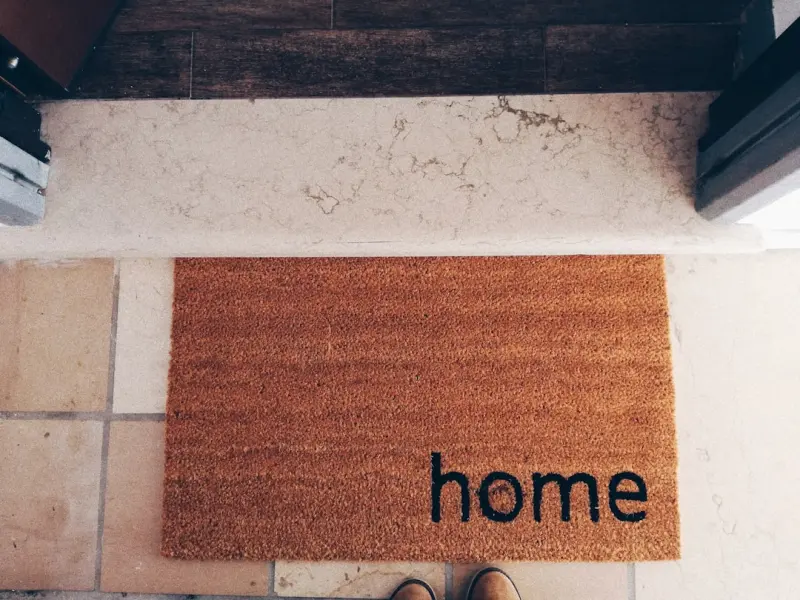
Ever stare at a room and feel like it’s holding its breath, waiting for you to finally give it purpose? I’ve been there—standing in a hallway that doubles as a laundry drop‑off, a kitchen island that’s more “clutter graveyard” than prep space, a spare bedroom that’s silently screaming for a second life. The good news? Most homes already contain the raw material for a transformation; we just need to uncover it.
Why “Space” Isn’t About Square Feet
When you hear “space optimization,” most people picture fancy modular furniture or a complete remodel. In reality, the magic lies in how you think about the spaces you already have. By shifting from “I don’t have enough room” to “I have untapped potential,” you unlock a cascade of small wins that add up to a dramatically more functional home.
Think of it like this: every nook, cranny, and even the backs of doors are silent partners in your daily routine. Treating them as such lets you design around the way you live, not the other way around.
1. The Hallway Turned Command Center
Hallways are the arteries of a house—people flow through them multiple times a day. Instead of letting that traffic become a wasted opportunity, convert the hallway into a lightweight command center.
- Wall‑Mounted Mail & Key Board: A slim magnetic board with designated spots for mail, keys, and a daily to‑do list keeps the chaos at bay.
- Vertical Shoe Rack: Choose a narrow, tall shoe rack that slides against the wall. It frees up floor space while keeping footwear out of sight.
- Pull‑Out Baskets: Install a shallow, pull‑out basket under the stair treads (if you have stairs) for kids’ backpacks or daily essentials.
Every time you pass by, you get a quick visual cue of what’s waiting for you—no more hunting for keys in couch cushions.
2. Kitchen Islands: From Clutter Graveyard to Mini‑Station
The kitchen island is often the dumping ground for receipts, grocery lists, and gadgets you “might need later.” Let’s flip the script.
- Tiered Containers: Use a set of clear, stackable containers for frequently used items—olive oil, spices, and cooking utensils. Label them for quick access.
- Magnetic Strip: Attach a magnetic strip on the side of the island to hold knives, metal spice tins, or even a small digital timer.
- Built‑In Charging Dock: A discreet USB hub embedded in the island surface powers tablets or recipe phones without tangled cords.
By turning the island into an organized hub, you free up countertop space for actual cooking, and you’ll notice a smoother flow when preparing meals.
3. Repurposing the Spare Bedroom: A Dual‑Purpose Retreat
A spare bedroom often becomes a “just‑in‑case” space, gathering dust and rarely seeing action. Instead of letting it sit idle, give it a dual identity that serves both function and comfort.
- Fold‑Down Desk: Install a wall‑mounted, fold‑down desk that can serve as a home office during the day and fold away for a guest‑ready room at night.
- Under‑Bed Storage: Use rolling bins under the bed for seasonal clothing or extra linens—keep them labeled and accessible.
- Convertible Sofa Bed: Opt for a sleek sofa that transforms into a bed without a bulky frame, preserving the room’s aesthetic.
This approach lets you host visitors without sacrificing a dedicated workspace, and it keeps the room feeling airy and purposeful.
4. Bathroom Efficiency: Tiny Tweaks, Big Results
Bathrooms are notorious for becoming a “lost‑and‑found” zone for toiletries. A few strategic changes can keep your bathroom tidy and functional.
- Tiered Caddies: A clear, tiered caddy on the countertop separates daily essentials (toothbrush, razor) from less‑frequent items (hair masks, extra towels).
- Over‑Door Hooks: Install a set of sturdy hooks on the back of the bathroom door for robes, towels, or a compact laundry bag.
- Shower Shelf: A suction‑cup shelf inside the shower keeps shampoo and conditioner organized, preventing a slippery bottle avalanche.
When everything has its place, you’ll spend less time searching and more time enjoying that quick morning refresh.
5. Closet Overhaul: The “One‑In‑One‑Out” Method
Closets can feel like black holes where clothes disappear. Adopt the “one‑in‑one‑out” rule: for every new piece you bring in, donate or store away an older piece. Combine this with a simple visual system.
- Color‑Coded Hangers: Assign a color to each family member. This instantly shows who owns what and prevents accidental mix‑ups.
- Seasonal Boxes: Store out‑of‑season clothing in labeled, vacuum‑sealed boxes placed on the top shelf. Rotate them twice a year.
- Accessory Racks: Small wall‑mounted racks keep scarves, belts, and jewelry visible and accessible.
Not only does this reduce clutter, it also makes getting dressed a more pleasant experience.
6. Leveraging Technology Without Overcomplicating
While I love a good smart‑home gadget, you don’t need a full‑blown automation system to stay organized. Simple tech can streamline daily chores.
- Bluetooth Tracker for Essentials: Attach a tiny Bluetooth tag to your remote, keys, or even a spare set of house keys. When you misplace them, a quick phone ping tells you exactly where they are.
- Voice‑Activated Shopping Lists: Use your phone’s voice assistant to add items to a shared grocery list the moment you notice you’re low on something. This eliminates the mental load of remembering.
- Smart Plug Schedules: Plug your coffee maker or lamp into a smart plug and set a schedule. Your coffee is ready when you wake, and lights turn off automatically, saving energy.
These tiny tech touches can shave minutes off your routine, freeing up mental bandwidth for more enjoyable activities.
7. The Power of Playful Routine: A Laughter Boost
Staying organized isn’t just about the physical; it’s about mindset too. A light‑hearted approach can make tidying feel less like a chore. For example, I’ve started pairing cleaning sprints with The Healing Power of Laughter—playing a goofy song and dancing while I put away dishes. The result? I finish faster, and the house feels more vibrant.
8. Kitchen Mindfulness: Aligning Space with Eating Habits
Our environment influences how we eat. By creating a mindful kitchen layout, we can encourage healthier habits. I reorganized my pantry based on the principles from Mindful Eating, placing fresh fruits at eye level and snack foods on higher shelves. The visual cue nudges you toward better choices without a second thought.
9. Seasonal Prep: The “Four‑Season Box” System
Every home has seasonal demands—whether it’s swapping out heavy blankets for lighter throws or bringing out a humidifier for dry months. Create a “four‑season box” for each room:
- Winter Box: Store blankets, extra mugs, and a small space heater.
- Spring Box: Include allergy medication, fresh‑scented cleaners, and a small indoor plant starter kit.
- Summer Box: Keep fans, citronella candles, and a portable cooler.
- Fall Box: Add cozy socks, a pumpkin spice candle, and a reusable water bottle.
Label each box and tuck them away in a closet or under the bed. When the season changes, simply swap the boxes. This keeps your space relevant without a massive overhaul.
10. The “One‑Minute Reset” Habit
At the end of each day, spend a single minute scanning your living areas. Pick up anything out of place, straighten a cushion, or wipe a surface. This micro‑habit prevents the snowball effect of clutter, keeping the home consistently tidy.
Pair it with a quick mental note—what went well today? What could be smoother tomorrow? This brief reflection reinforces both physical order and mental clarity.
Putting It All Together: A Sample Day in a Re‑Imagined Home
Imagine waking up to a hallway that greets you with a clear key board and a fresh to‑do list. You glide into the kitchen, where the island is a streamlined hub with magnetic spice tins and a charging dock for your tablet. While the coffee brews from a smart plug schedule, you glance at the “One‑Minute Reset” reminder on the wall and tidy a stray spoon.
Later, you step into a spare bedroom that doubles as a productive workspace. A fold‑down desk awaits, and a sleek sofa folds away for an impromptu video call with a client. The bathroom, with its tiered caddy, makes your morning routine swift and stress‑free.
By midday, you’re using a Bluetooth tracker to locate the remote that somehow slipped behind the couch—no panic, just a quick ping. A playful cleaning sprint to the hallway, set to a favorite comedy podcast, leaves you laughing and the space sparkling.
When evening rolls around, you pull out the spring box, swap in fresh linens, and set the mood for a relaxed dinner, feeling the subtle shift from cluttered chaos to intentional calm.
Final Thoughts: Your Home, Your Canvas
Organizing isn’t about imposing a rigid system; it’s about coaxing your living environment to serve you better. By recognizing hidden potentials—those overlooked hallways, under‑utilized islands, and dormant spare rooms—you can craft a home that feels spacious, efficient, and, most importantly, personal.
Start small. Choose one area, apply a few of these tricks, and watch the ripple effect. Before you know it, you’ll have a home that doesn’t just exist around you—it works with you.

Sanji Patel has dedicated 25 years to the SEO industry. As an expert SEO consultant for news publishers, he emphasizes providing both technical and editorial SEO services to news publishers worldwide. He frequently speaks at conferences and events globally and offers annual guest lectures at local universities.
Related Posts

Quiet Corners: DIY Acoustic Hacks for a Calmer Home
Learn practical, low‑cost ways to improve your home’s sound environment—from soft surfaces and... Read More

Quiet Corners: Mastering Home Acoustics for Calm Living
Discover practical ways to quiet a noisy home—from soft surfaces and acoustic panels to smart soun... Read More
Transform Your Home Into a Productivity Powerhouse
Learn how to map zones, streamline tech, and embed micro‑breaks so your home becomes a powerful al... Read More
Top Posts
Front Porch Revival: Crafting a Welcoming Outdoor Entrance
Transform your front porch into a charming entryway with durable furniture, seasonal greenery, and smart lighting—creating a welcoming space that blends style...Read More

Cultivating Success: How a Garden Desk Transforms Modern Employment
A garden desk isn’t just a trend—it’s a powerful tool that merges nature with work, enhancing focus, wellness, and employee retention. Explore the benefit...Read More

When Offline Becomes Oasis: Crafting Digital Sabbaths for Mental Wellness
Learn why intentional digital sabbaths are essential for mental health, how to design effective offline periods, and the science behind unplugging to boost clar...Read More

Screen Time & Skin: Uncovering the Hidden Connection and How to Reset
Explore the unseen ways screen exposure damages skin and get actionable habits—blue‑light filters, movement snacks, and a digital sunset routine—to protec...Read More
0 Comments
Post Comment
You will need to Login or Register to comment on this post!