
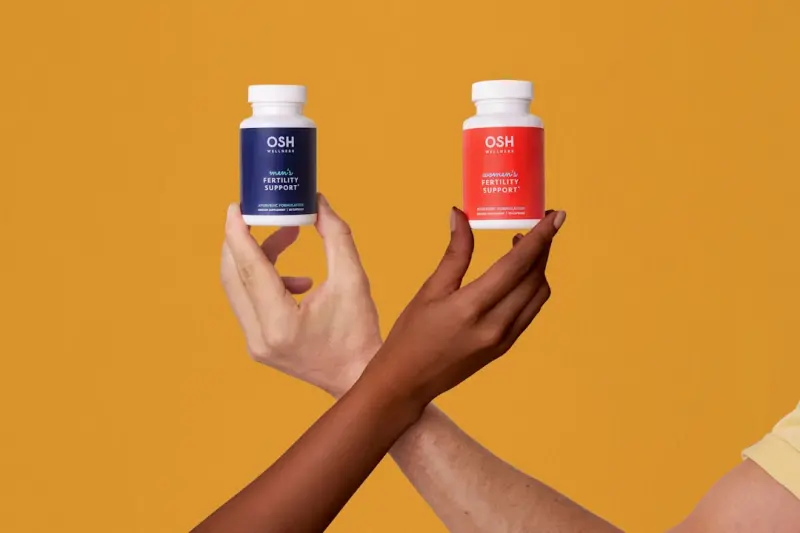
Why Your Gut Is the New Skincare Superstar
When I first heard the phrase “beauty starts from within,” I laughed it off as another wellness buzzword. Fast forward a few months, and I’m standing in front of my bathroom mirror, watching the foam from my probiotic‑rich cleanser disappear, and I’m thinking: maybe my gut really does have a say in how my skin looks. The science is finally catching up with what intuition has hinted at for ages—our microbiome is the silent director of many personal‑care performances.
The Microbiome 101: A Quick Primer
Everyone talks about “good bacteria” like it’s a trendy health food, but what exactly are we dealing with? Your body hosts trillions of microbes—bacteria, fungi, viruses, and even archaea. Roughly 70% of your immune system lives in your gut, and that same ecosystem sends chemical messages to the rest of your body, including your skin. When the gut flora is balanced, it produces short‑chain fatty acids, vitamins, and anti‑inflammatory compounds that travel through the bloodstream, nourishing cells from the inside out.
When the balance tips—thanks to stress, antibiotics, processed foods, or even a chaotic sleep schedule—those same signals can turn hostile. The result? Hormonal spikes, increased inflammation, and, you guessed it, breakouts, dullness, or even premature aging. The gut‑skin axis isn’t a new concept, but the practical ways we can nurture it have exploded into a personal‑care revolution.
From Trend to Routine: Micro‑Friendly Habits You Can Start Today
Here’s where the rubber meets the road. Below are actionable, low‑effort habits that integrate microbiome support into your everyday personal‑care regimen. They’re not about overhauling your life; they’re about micro‑adjustments that compound over weeks and months.
- Start Your Day with a Fermented Drink. A small glass of kefir, kombucha, or water kefir introduces live cultures that jump‑start digestion. If dairy is an issue, opt for coconut water kefir or a non‑dairy probiotic powder.
- Choose Prebiotic‑Rich Snacks. Foods like raw chicory root, dandelion greens, garlic, onions, and bananas feed the good bacteria already living in you. A handful of raw almonds paired with a banana makes a perfect mid‑morning bite.
- Swap Conventional Cleansers for Probiotic Formulas. Look for products that contain lactobacillus or bifidobacterium strains. These “friendly” bacteria help maintain the skin’s natural barrier while gently cleansing.
- Introduce Topical Prebiotics. Ingredients such as inulin, oat bran, and certain polysaccharides serve as food for the skin’s microbiome, encouraging a healthy flora on the surface.
- Mind Your Stress Levels. Cortisol spikes can alter gut permeability, allowing unwanted toxins to leak into circulation. Simple breathing exercises, short walks, or a five‑minute meditation can keep the stress hormone in check.
- Get Your Sleep Clock Aligned. Even though we’ve covered chronotype routines elsewhere, it bears repeating: a consistent sleep schedule stabilizes gut rhythms, which in turn keeps skin inflammation down.
Probiotic Skincare: The Ingredients That Matter
Not all “probiotic” labels are created equal. When you read a product’s ingredient list, look for specific strains and CFU counts. Some of the most effective ones for skin include:
- Lactobacillus rhamnosus. Known for boosting collagen production and soothing redness.
- Bifidobacterium breve. Helps reduce transepidermal water loss, keeping skin hydrated.
- Streptococcus thermophilus. Offers antioxidant protection against UV‑induced damage.
Brands are now packaging these microbes in stable, non‑live formats that survive the shelf life of a typical bathroom cabinet, so you don’t have to worry about the product losing potency before you finish the bottle.
Feeding Your Gut Through the Kitchen: A Balcony Bounty Approach
What if the same plants you grow on a tiny balcony could double as gut‑friendly foods? Microgreens, sprouted beans, and herbs are powerhouses of prebiotic fibers and antioxidants. Growing a small herb garden on a windowsill—not unlike the ideas from Cultivating a Kitchen Herb Oasis—lets you harvest fresh, organic greens at the peak of their nutrient profile.
Consider adding a microgreen salad to your lunch once a week. A handful of radish, broccoli, or mustard microgreens supplies up to 40% more vitamins than their mature counterparts, plus a crunchy texture that encourages mindful eating—a bonus for stress reduction.
Closing the Loop: From Shelf to Skin with circular personal care movement
Microbiome‑friendly personal care doesn’t have to be wasteful. The refillable ritual trend is converging with probiotic technology. Companies are now offering refill stations for probiotic serums, allowing you to reuse glass bottles while keeping the live cultures intact. By supporting these systems, you’re not only feeding your skin’s ecosystem but also contributing to a lower‑impact, circular economy.
Here’s a simple way to participate:
- Purchase a starter bottle of probiotic facial toner.
- When it’s empty, return it to the brand’s refill kiosk or request a bulk refill package.
- Swap the old bottle for a freshly filled one, and keep a small glass jar for travel.
This practice aligns with a broader sustainability mindset while ensuring the product you apply stays potent—no preservatives needed.
Mindful Application: Turning Routine into Ritual
Applying your probiotic serum isn’t just a mechanical step; it’s an opportunity to communicate with your skin. Use gentle, upward strokes, and pause for a moment to notice the texture, temperature, and scent. This brief mindfulness session sends a signal to your nervous system that you’re in a relaxed state, reducing cortisol levels that could otherwise sabotage your skin’s barrier.
Think of it as a two‑way conversation: the microbes in the product are feeding your skin, while your calm mind is signaling the gut to stay balanced.
Common Misconceptions to Debunk
1. “Probiotics are only for the gut.” While the gut houses the largest microbial population, the skin has its own distinct ecosystem. Topical probiotics act directly on that surface community.
2. “All fermented foods are equal.” The strains and fermentation processes differ widely. Sauerkraut, kimchi, and miso each bring unique bacterial profiles. Variety is key.
3. “If I take a supplement, I’m done.” Supplements can help, but they’re most effective when paired with a diet rich in prebiotic fibers. It’s a symbiotic relationship, not a solo act.
Putting It All Together: A One‑Week Microbiome‑First Plan
Below is a sample schedule that blends dietary, topical, and lifestyle elements. Feel free to adjust based on your preferences and schedule.
| Day | Morning | Midday | Evening |
|---|---|---|---|
| Monday | Fermented oat milk + probiotic cleanser | Prebiotic snack (banana + almond butter) | Probiotic serum + 5‑minute breathing exercise |
| Tuesday | Kefir smoothie with chia seeds | Microgreen salad from balcony garden | Topical prebiotic moisturizer + gentle facial massage |
| Wednesday | Plain yogurt + honey + sliced kiwi | Garlic‑infused hummus with carrot sticks | Refillable probiotic night cream + gratitude journal |
| Thursday | Cold‑brewed kombucha | Mixed nuts + dried apricots (prebiotic) | Probiotic serum + 10‑minute yoga flow |
| Friday | Apple cider vinegar tonic (1 tsp in water) + probiotic wash | Kimchi fried rice (small portion) | Topical prebiotic mask + short meditation |
| Saturday | Fruit‑laden kefir bowl | Garden herbs (basil, mint) in a fresh salad | Probiotic serum + extended skin‑care “spa” ritual |
| Sunday | Slow‑cooked bone broth (gut‑soothing) | Light soup with prebiotic veggies (leek, onion) | Restorative sleep routine (no screens 30 min before bed) |
Follow this plan for a week, and you’ll likely notice subtle shifts: smoother texture, fewer flare‑ups, and a calmer sense of well‑being. Consistency is the hidden ingredient that transforms micro‑adjustments into measurable results.
Looking Ahead: The Future of Microbiome‑Centric Personal Care
The industry is moving fast. In the next few years we can expect:
- Personalized probiotic formulas. AI‑driven gut‑analysis kits will match you with skin‑specific strains, delivering tailor‑made serums.
- Smart packaging. Color‑changing labels that indicate when live cultures are still viable.
- Hybrid products. Items that combine oral pre‑/pro‑biotic supplementation with topical delivery, creating a “dual‑action” approach.
Until those innovations land on our bathroom shelves, the tools we have right now—fermented foods, prebiotic snacks, thoughtful skin products, and mindful rituals—are more than enough to start a genuine transformation.
Final Thoughts: Embrace the Microbial Conversation
Personal care has always been about outward appearance, but the most lasting glow comes from the inside. By treating your gut as the command center for skin health, you’re not just following a trend; you’re joining a science‑backed movement that respects the complexity of our bodies.
So the next time you’re reaching for a new cleanser, ask yourself: does it feed the microbes that protect my skin, or does it just wash them away? Choose wisely, nurture your inner ecosystem, and watch the external results follow.

Brad Hays is a freelance writer known for his versatile skill set and ability to craft compelling content across a wide range of industries.
Related Posts
Zero‑Waste Personal Care: A Practical Blueprint for Everyday Sustainability
Discover a step‑by‑step guide to transform your daily personal care into a zero‑waste practice... Read More
Zero‑Waste Bathroom: A Personal Care Revolution
A step‑by‑step guide to building a zero‑waste bathroom, featuring sustainable product swaps, D... Read More
Rewiring Your Routine: Personal Care That Calms the Brain
A deep dive into turning everyday personal care into a neuro‑supportive ritual, blending sensory d... Read More
Top Posts

Unlocking Internal Talent Markets: Let Employees Navigate Their Own Career Paths
A fresh look at internal talent marketplaces shows how giving employees autonomy over projects revitalizes engagement, accelerates skill development, and create...Read More

The Myth of “Fixed” Mental Health
When I first started treating my mind like a gym, the results were nothing short of a revelation. Most of us think of mental health as a static state—somethin...Read More

Garden Desks: The Home & Garden Trend Redefining Work and Wellness in 2026
Explore the rise of garden desks in 2026—how outdoor workspaces boost creativity, wellness, and professional edge, with design tips and sustainability insight...Read More

How Garden Desks Are Redefining the Modern Employment Landscape
Garden desks blend nature and productivity, offering a sustainable, flexible workspace that boosts morale, creativity, and performance for today’s workforce....Read More
0 Comments
Post Comment
You will need to Login or Register to comment on this post!