
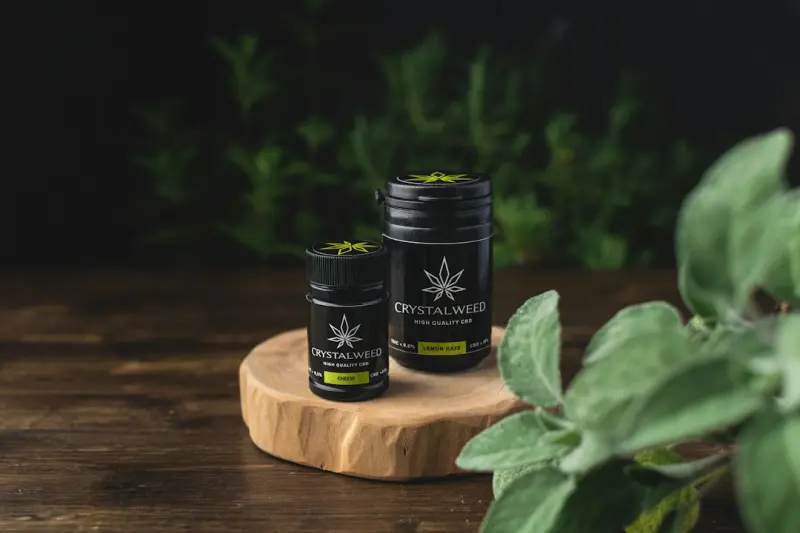
Botanical Boost: Turning Everyday Herbs into High‑Performance Personal Care Rituals
When I first stumbled upon a dusty bundle of dried chamomile in my grandmother’s pantry, I didn’t think much of it beyond a soothing tea. Fast forward a few years, and that humble herb has become the cornerstone of a personal‑care philosophy I’m eager to share. In a world saturated with high‑tech gadgets and complex formulations, I’ve found that the simplest, most sustainable solutions often grow right in our kitchen cupboards.
In this deep dive, I’ll walk you through how to transform everyday botanical ingredients into potent, customized personal‑care products. We’ll explore the science behind why plants work, the rituals that make the process feel indulgent, and practical step‑by‑step guides you can start using tonight. By the end, you’ll have a toolbox of recipes, a newfound respect for the plant kingdom, and a personal‑care routine that’s as unique as you are.
Why Plants? The Hidden Powerhouses in Your Cabinet
Plants produce an astonishing array of bioactive compounds—antioxidants, anti‑inflammatories, humectants, and more—to survive and thrive in their environments. When we harness these compounds, we tap into natural mechanisms that have been refined over millennia.
- Polyphenols (found in green tea, rosemary, and berries) combat oxidative stress and keep skin looking youthful.
- Essential fatty acids from seeds like flax or chia nourish the skin barrier and lock in moisture.
- Tannins in witch hazel or oak bark act as gentle astringents, perfect for balancing oily skin.
- Alkaloids such as caffeine in coffee grounds provide a subtle lift, reducing puffiness and fatigue.
What’s exciting is that these compounds are not locked behind a laboratory door. With a little know‑how, you can extract them at home, preserving their potency while avoiding the fillers and synthetic fragrances that dominate many commercial lines.
Setting the Stage: Turning Your Bathroom into a Botanical Lab
Before you dive into the recipes, let’s talk environment. The ritual of personal care becomes more meaningful when the space itself feels intentional.
- Declutter any stray bottles or expired products. A clean countertop is a blank canvas.
- Gather tools: glass jars, stainless steel bowls, a fine‑mesh strainer, a small funnel, and a digital scale for precision.
- Create ambiance: Light a candle, play a soft instrumental track, and consider adding a sprig of rosemary or a few drops of essential oil to the air for a subtle scent cue.
This preparatory phase isn’t just about practicality; it’s a mental cue that you’re about to treat yourself with care, turning a routine task into a mindful pause.
Core Techniques: Extraction Methods You Can Master
There are three primary ways to coax the goodness out of herbs and botanicals: infusion, maceration, and decoction. Each method suits different ingredients and desired outcomes.
Infusion (Gentle & Water‑Based)
Think of a tea, but with a purpose beyond drinking. This method works best for delicate leaves and flowers.
- Heat distilled water to just below boiling (≈90°C/194°F).
- Pour over your herb (e.g., chamomile, calendula) and let steep for 10‑15 minutes.
- Strain through a fine mesh and store the liquid in a sterilized bottle.
Use this infusion as a facial toner, a base for a soothing body spray, or a hair rinse for added shine.
Maceration (Oil‑Based Extraction)
Perfect for extracting fat‑soluble nutrients like vitamin E and essential fatty acids.
- Choose a carrier oil (jojoba, sweet almond, or fractionated coconut are great options).
- Combine the oil and herb in a glass jar (ratio 1:5 by weight).
- Seal tightly and place in a sunny windowsill for 2‑4 weeks, shaking daily.
After the waiting period, strain and store the oil. This macerated oil can serve as a base for moisturizers, massage oils, or a nourishing cuticle treatment.
Decoction (Robust & Water‑Based)
When you need to pull out tougher compounds, such as the tannins in bark or roots, a decoction does the trick.
- Add herbs (e.g., oak bark, dandelion root) to cold water in a saucepan.
- Bring to a boil, then reduce to a simmer for 20‑30 minutes.
- Cool, strain, and preserve the liquid in the fridge.
Decoctions are excellent as astringent facial rinses or as the watery component in a DIY facial mask.
Signature Recipes to Elevate Your Routine
Below are three starter formulas that showcase each extraction method. Feel free to experiment with proportions, swap botanicals, and add a few drops of your favorite essential oil for scent.
1. Calming Chamomile & Rosewater Toner (Infusion)
Ingredients:
- 1 cup distilled water
- 2 tbsp dried chamomile flowers
- 1 tbsp dried rose petals
- ½ tsp vegetable glycerin (optional, for extra moisture)
Method:
- Heat water to just below boiling and pour over the chamomile and rose petals.
- Steep 15 minutes, then strain through a fine‑mesh sieve.
- Stir in glycerin if desired, then transfer to a spray bottle.
- Apply after cleansing—spritz and let air dry for a refreshing finish.
2. Nourishing Lavender‑Infused Jojoba Oil (Maceration)
Ingredients:
- ½ cup jojoba oil
- ¼ cup dried lavender buds
- 2 drops vitamin E oil (natural preservative)
Method:
- Combine oil and lavender in a glass jar.
- Seal and place on a sunny sill for 3 weeks, shaking daily.
- Strain into a dark amber bottle, add vitamin E, and label.
- Use as a night‑time facial oil or a calming foot massage blend.
3. Revitalizing Green Tea & Peppermint Scalp Rinse (Decoction)
Ingredients:
- 2 cups water
- 1 tbsp green tea leaves
- ½ tsp dried peppermint leaves
- 1 tsp apple cider vinegar (pH balance)
Method:
- Bring water to a boil, add tea and peppermint, then simmer 20 minutes.
- Cool, strain, and stir in apple cider vinegar.
- Store in a reusable bottle; after shampoo, pour over hair, massage scalp, and rinse lightly.
Personalizing the Process: Customization Tips
One of the joys of a botanical routine is its adaptability. Here are a few ways to tailor each recipe to your skin type, scent preference, and lifestyle.
- Skin type tweaks: For oily skin, increase the proportion of astringent herbs like witch hazel in the toner. For dry skin, boost humectants such as glycerin or honey.
- Scent layering: Add a single drop of essential oil (e.g., bergamot for brightening, sandalwood for grounding) after the extraction process is complete to avoid degrading heat‑sensitive compounds.
- Preservation hacks: Store water‑based preparations in the refrigerator and use within one week. Adding a small amount of natural preservative—like a few drops of grapefruit seed extract—can extend shelf life safely.
- Travel-friendly formats: Decant your favorite oil or toner into 30 ml roll‑on bottles for on‑the‑go refreshers.
Science Meets Sensibility: Linking to Broader Personal‑Care Trends
While my approach feels hands‑on and artisanal, it dovetails with emerging research that emphasizes the microbiome, sustainability, and micro‑habits. For instance, the Unlocking the Skin Microbiome article explores how nurturing beneficial microbes can improve barrier function—something you can support by avoiding harsh preservatives and opting for gentle botanical extracts.
Similarly, building these rituals into daily micro‑habits aligns with the insights from Micro‑Habits That Supercharge Your Longevity. A simple 2‑minute herbal infusion each morning or a nightly oil massage can cascade into larger health benefits, reinforcing consistency without overwhelming your schedule.
Environmental Impact: A Green Alternative to Commercial Products
Commercial personal‑care products often rely on petrochemical surfactants, plastic packaging, and long transportation chains. By sourcing ingredients locally—whether from your garden, a farmer’s market, or a bulk herb supplier—you shrink your carbon footprint dramatically.
Moreover, reusable glass containers cut down on single‑use plastic waste. If you’re looking to go even further, consider composting herb stems and spent plant material after extraction. These nutrient‑rich remnants make excellent additions to a compost bin or a soil‑amending mulch for your garden.
Common Pitfalls and How to Avoid Them
Even seasoned DIY enthusiasts hit snags. Below are the most frequent challenges and practical solutions.
- Microbial contamination: Always sterilize jars and tools before use. Boil glass jars for 10 minutes or run them through a dishwasher’s sanitize cycle.
- Oxidation of oils: Store macerated oils in amber bottles away from light. Adding a few drops of vitamin E oil acts as an antioxidant.
- Allergic reactions: Perform a patch test on the inner forearm before applying a new formulation to your face or body.
- Inconsistent potency: Keep detailed notes on ratios, steeping times, and temperatures. Over time you’ll develop a personal “recipe bible” that yields consistent results.
Scaling Up: From Personal Use to Small‑Batch Business
If your experiments spark entrepreneurial curiosity, the transition from kitchen lab to boutique brand is smoother than you think. Start by:
- Documenting every batch—ingredients, source, batch size, and outcomes.
- Testing market demand with friends, family, or local pop‑up markets.
- Researching regulations for cosmetics in your region (e.g., FDA guidelines in the U.S. or EU Cosmetic Regulation).
- Investing in minimal, scalable equipment such as a double‑boiler for consistent heating.
Remember, the authenticity of a handcrafted story is a powerful differentiator in a crowded market. Consumers crave transparency, and your narrative of “from pantry to product” can be a compelling selling point.
Final Thoughts: Embrace the Botanical Journey
Personal care isn’t just about the end result—clean skin, soft hair, a relaxed mind—it’s also about the process that leads there. By inviting plants into that process, you honor centuries of natural wisdom while carving out a space for creativity, sustainability, and self‑compassion.
So, pull out that jar of dried lavender, heat a kettle, and let the aromas guide you. In the quiet moments of steeping, macerating, and mixing, you’ll discover not only a fresh batch of product but also a renewed sense of agency over how you nurture your body.
Happy brewing, and may your personal‑care rituals be as vibrant and resilient as the botanicals that inspire them.

Jody Henderson is a passionate freelance writer, driven by a love for storytelling and a keen eye for detail. With a versatile skillset, she crafts compelling content across a variety of niches, from engaging blog posts to informative articles and persuasive marketing copy.
Related Posts
Layered Sensory Rituals: Turning Everyday Personal Care into a Sanctuary
Learn to elevate your personal care routine by layering sight, scent, touch, sound, and timing, crea... Read More

Sound‑Infused Personal Care: Tuning Your Daily Routine for Wellness
A guide to enhancing your grooming and wellness rituals with purposeful sound, from morning energize... Read More

Crafting a Sensory Narrative: Personal Care as Storytelling
Learn to transform everyday personal care routines into a sensory narrative, using scents, textures,... Read More
Top Posts
Fermented Skincare: Turning Kitchen Culture into Radiant Skin
Explore the science behind fermented skincare, learn a step‑by‑step DIY toner recipe, and integrate probiotic‑rich habits into your routine for glowing, r...Read More

Embrace the Garden Desk Revolution: How Outdoor Workspaces Are Redefining Home & Garden Living in 2026
Explore the rise of garden desks in 2026—how they boost wellness, spark creativity, and transform your backyard into a high‑performance office....Read More

Turn Your Hallways into Power Zones: Simple Home Hacks for Energy and Focus
Learn to upgrade your hallway with layered lighting, smart storage, sound management, and micro‑rituals, turning this often‑ignored space into a powerful ca...Read More

Garden Desk Oasis: Turning Your Backyard into a Productivity Haven
Turn your backyard into a garden desk oasis and boost productivity, wellness, and home life with design tips, tech tricks, and seasonal adaptations....Read More
0 Comments
Post Comment
You will need to Login or Register to comment on this post!