
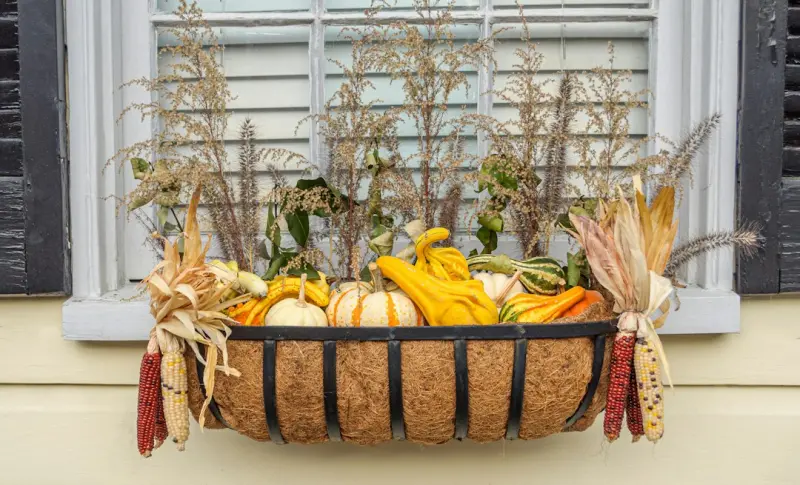
Ever walked past a sun‑drenched window and thought, “There’s a whole garden waiting to happen right there”? I’ve been there—staring at that blank pane, feeling the pull of the outside world while the rest of my living room screams “office”. The solution? A seasonal window garden that doesn’t just add green to a room, but becomes a living, breathing part of your daily rhythm.
Why a Window Garden?
Most of us treat windows as passive frames for the outside, a way to let light in and keep the cold out. But a window is also a natural micro‑climate: it gets a predictable dose of sunlight, a gentle breeze, and a view that can inspire. Turning that slice of glass into a garden gives you:
- Instant mood boosters. Studies show that just a glance at greenery can lower cortisol levels.
- Year‑round harvests. With the right plant choices, you can snip fresh herbs in winter and harvest crisp lettuces in summer.
- Space efficiency. No backyard? No problem. A window sill can become a high‑yield, low‑footprint oasis.
Getting Started: Assess Your Light Landscape
Before you rush out to buy a dozen pots, spend a weekend playing detective. Map out the sunlight pattern on your window sill for a full week:
- Morning sun (east‑facing): 2‑4 hours, perfect for cool‑season herbs like parsley and cilantro.
- Mid‑day sun (south‑facing): 5‑8 hours, the sweet spot for sun‑loving veggies like cherry tomatoes.
- Afternoon shade (west‑facing): 3‑5 hours, ideal for shade‑tolerant greens such as spinach and arugula.
Take note of any obstacles—radiators, air‑conditioner vents, or heavy drapes—that could cast unwanted shadows. Once you understand your light budget, you can match plants to their ideal zones.
Choosing the Right Containers
Container selection is more than aesthetics; it’s about drainage, weight, and thermal stability. Here are my go‑to criteria:
- Drainage holes. A pot without drainage is a recipe for root rot. If you love the look of a solid‑bottom pot, drill a few holes and add a saucer.
- Material matters. Terracotta is breathable but can crack in freezing temps. Light‑weight resin stays cool longer, while glazed ceramic adds a splash of color.
- Size and depth. Herbs thrive in 6‑8 inch pots, while dwarf tomatoes need at least 12 inches of depth.
Soil Matters: A Quick Dive Into the Basics
If you’ve ever wondered why a plant in a garden bed flourishes while the same plant in a pot wilts, the answer lies in the soil matrix. For a window garden, you need a light, well‑draining mix. I recommend a blend of one part peat moss, one part perlite, and one part compost. This combo mimics the airy structure of forest floor humus while retaining enough moisture for consistent growth.
For a deeper dive into soil health, check out soil science basics—it’s a fascinating read that explains how microbes turn a simple pot into a thriving ecosystem.
Seasonal Plant Lineup
Think of your window garden as a rotating gallery. Change the exhibit every season to keep it fresh, functional, and visually appealing.
Spring: The Awakening
Kick off with radish greens, leafy lettuce, and sweet pea shoots. They germinate quickly—often within a week—and add a peppery crunch to salads.
Summer: The Showstopper
Summer is the time for mini bell peppers, cherry tomatoes, and basil. Pair them with a trellis or a simple tomato cage to maximize vertical space.
Fall: The Harvest
Swap out heat‑loving crops for kale, Swiss chard, and cilantro. These greens love the cooler evenings and can survive mild frosts.
Winter: The Cozy Corner
Even in the coldest months, a sunny south‑facing window can nurture microgreens, parsley, and chives. They’re low‑maintenance and provide a fresh pop of green when the world outside looks gray.
Vertical Magic: Going Up Without Going Out
If floor space is at a premium, think vertically. Install a hanging planter system using recycled wooden pallets or simple wall‑mounted pocket planters. This approach not only frees up sill space but also creates a lush backdrop for your living room.
For inspiration on making the most of limited square footage, I love the ideas in maximizing tiny garden spaces. The principles translate perfectly to a window garden—just shrink the scale.
Watering Wisdom
Over‑watering is the number one killer of container plants. Here’s my three‑step routine:
- Check the top inch. Stick a finger into the soil; if it feels dry, water.
- Water evenly. Use a watering can with a narrow spout to target the soil, not the leaves.
- Let it drain. Ensure excess water escapes the saucer; standing water invites root rot.
For those who travel or work from home irregularly, a self‑watering globe or a wick system can keep plants hydrated for up to a week.
Feeding Your Green Room
Container plants deplete nutrients faster than in‑ground plants because the soil volume is limited. A balanced, water‑soluble fertilizer applied every two weeks keeps growth vigorous. I favor an organic option with a 10‑10‑10 NPK ratio, diluted to half strength to avoid “burnt” roots.
Design Tips to Turn Your Sill into a Showcase
Now that the functional side is covered, let’s talk aesthetics. A beautiful window garden is a blend of texture, height, and color.
- Layered heights. Place taller pots at the back (or center, if you can view from all sides) and shorter ones in front.
- Texture contrast. Mix smooth ceramic with rough stone or reclaimed wood.
- Color coordination. Choose foliage with varying shades of green, or add pops of purple from basil and orange from nasturtiums.
If you’re unsure how to arrange the pieces, the article on outdoor zone planning offers a great framework for thinking about zones, flow, and focal points—even when you’re working on a windowsill.
Integrating Scent and Sound
A garden isn’t just visual; it’s a multi‑sensory experience. Add fragrant herbs like lavender or mint to the lower tier for an aromatic lift. A tiny water feature—perhaps a mini fountain or a ceramic rain chain—can provide a gentle soundtrack that masks city noise.
Maintenance Rituals: Turning Care into a Ritual
One of the biggest joys of a window garden is the daily pause it forces you to take. I’ve built a simple routine:
- Morning glance. Open the blinds, check moisture, and whisper a quick “good morning” to each plant.
- Mid‑day check. Rotate pots if one side is receiving more sun than the other.
- Evening tidy. Trim dead leaves, remove spent blossoms, and wipe the glass to let the light shine through.
This ritual not only keeps the garden thriving but also gives you a mental reset between meetings or tasks.
Harvesting and Using Your Produce
There’s a special satisfaction in snipping fresh basil leaves for a summer pasta sauce straight from the window garden. Here are a few quick ideas:
- Herb oil. Blend fresh rosemary or thyme with olive oil for a pantry staple.
- Microgreen salad. Toss a handful of harvested microgreens with lemon juice and sea salt.
- DIY cleaning spray. Use lemon balm and mint leaves steeped in vinegar for a fragrant, natural cleaner.
Challenges and How to Tackle Them
No garden is without obstacles. Here are the common hiccups and my solutions:
Pest Intruders
Window gardens can attract aphids, spider mites, or even tiny beetles. I combat them with a simple soap‑water spray (a few drops of dish soap in a quart of water) applied every few days. For a more organic approach, introduce ladybugs in a small release container.
Temperature Swings
Windows can become mini‑greenhouses in summer and iceboxes in winter. Use a lightweight shade cloth during heat spikes, and a clear acrylic cover during frosty nights to buffer extremes.
Limited Space
If you find yourself running out of real estate, think about stackable planters—essentially a tiered bookshelf for plants. They let you double or triple the number of species without sacrificing window view.
Putting It All Together: A Sample Layout
Below is a mock‑up of a 30‑inch deep, south‑facing window sill:
- Back row (deepest, 12‑inch pots): dwarf tomato, basil, and a small trellis for vertical growth.
- Middle row (8‑inch pots): kale, chard, and a hanging basket of nasturtiums.
- Front row (6‑inch pots): microgreen tray, parsley, and a tiny herb‑scented candle for evening ambiance.
Rotate the arrangement each season to keep the visual interest alive and to accommodate the changing light needs of each plant.
Final Thoughts: Your Window as a Living Canvas
When you transform a window into a seasonal garden, you’re not just adding greenery—you’re creating a living canvas that evolves with you. It’s a modest project that yields big returns: fresher meals, calmer mind, and a daily reminder that growth is possible even in the smallest of spaces.
So, the next time you pull back the curtains, ask yourself: what could this view become? With a few pots, some soil, and a sprinkle of curiosity, your window can become the most vibrant room in the house.

Seth Samual is a name that's quickly becoming synonymous with compelling and insightful writing. As a freelance writer, Seth has carved a niche for himself by delivering high-quality content across a diverse range of subjects.
Related Posts

Why Garden Desks Are the Hottest Trend Transforming Home & Garden Living
Explore the rise of garden desks, their design tips, productivity gains, and community impact, all w... Read More
Smart Garden Revolution: An Intelligent Yard
Learn to upgrade your outdoor space with smart sensors, automated irrigation, solar lighting, and ap... Read More
Designing a Garden Soundscape: How to Turn Your Backyard into an Auditory Sanctuary
Discover how to design a backyard soundscape using natural elements, smart tech, and seasonal tweaks... Read More
Top Posts

Building a Portfolio Career Culture: Redefining Success Beyond the Ladder
Traditional career ladders are giving way to portfolio careers—dynamic, multi‑project pathways that align personal passions with business goals. Learn how t...Read More
Crafting a Multi‑Sensory Home Oasis: Simple Hacks for Everyday Bliss
Learn how to turn any room into a multi‑sensory oasis with practical tips for scent, sound, touch, sight, and taste, creating a sanctuary that enhances focus ...Read More
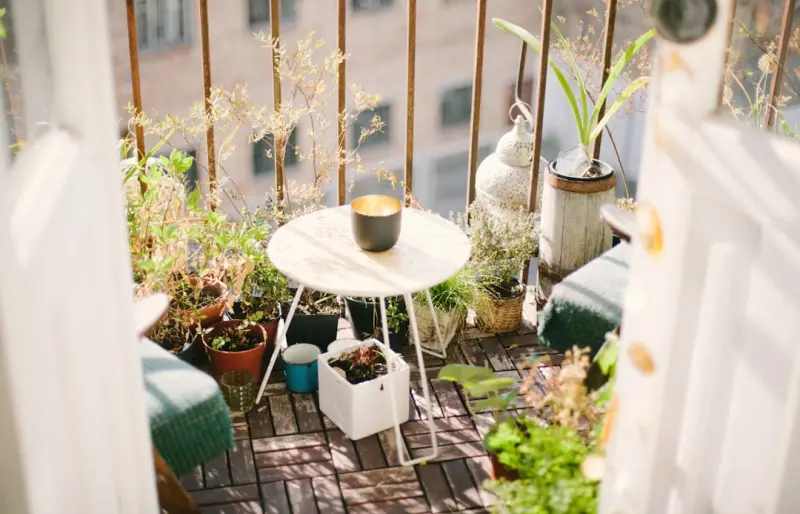
Buzz‑worthy Balconies: Turning Small Spaces into Pollinator Havens
Discover step‑by‑step strategies to create a pollinator‑friendly balcony garden, from assessing light and wind to selecting continuous‑bloom plants, man...Read More

Neurodiversity at Work: Harnessing Cognitive Variety for Business Growth
Neurodiversity isn’t a buzzword—it’s a strategic advantage. Discover practical steps to recruit, support, and leverage cognitively diverse talent for stro...Read More
0 Comments
Post Comment
You will need to Login or Register to comment on this post!