
Reimagining the Entryway: Small Changes That Create Big First‑Impression Wins
When you step through the front door, you’re not just crossing a threshold—you’re crossing into a mindset. As someone who’s spent more time rearranging living rooms than most people have spent in offices, I’ve learned that the entryway is the silent negotiator between the chaos of the outside world and the calm you crave inside. A well‑curated entryway can lower stress, boost productivity, and even make guests linger a little longer. Below, I’ll walk you through a step‑by‑step blueprint for turning that often‑overlooked space into a purposeful welcome mat that does more than just hold shoes.
1. Diagnose the Flow: Observe, Measure, Adjust
Before you buy a new rug or hang a piece of art, spend a weekend watching how you and your family move through the entry. Do you constantly trip over shoes? Is there a pile of mail that seems to multiply overnight? Jot down the pain points. The best design decisions come from data, even if the data is just a mental note.
- Foot traffic heat map: Place a piece of chalk on the floor and watch where the footprints accumulate over a few days.
- Drop zones: Identify where keys, bags, and mail naturally fall. These are the spots you’ll want to give a dedicated home.
- Lighting audit: Notice whether the space feels dim in the morning or overly harsh at night.
Armed with this intel, you can prioritize interventions that will have the biggest impact on daily flow.
2. Ground the Space with Purpose‑Built Flooring
Flooring is the literal foundation of first impressions. While a sleek tile can feel modern, a plush rug adds warmth and invites you to pause. Choose a rug that’s large enough to catch shoes but soft enough to make a statement. Look for natural fibers like jute or wool; they’re durable, easy to clean, and help regulate moisture—an often‑overlooked benefit for indoor air quality.
If you’re on a budget, consider a modular runner that can be swapped out seasonally. This simple change lets you reflect the vibe of each season without a full renovation.
3. Create a Dedicated Drop Zone
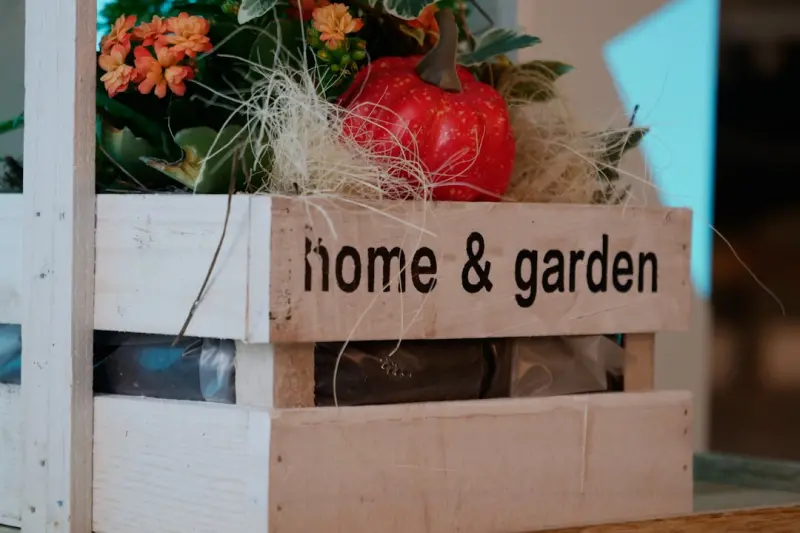
One of the fastest ways to reduce clutter is to give every “out‑of‑home” item its own home. Install a low‑profile wall‑mounted organizer with cubbies for shoes, hooks for coats, and a shallow tray for mail. For a more organic feel, repurpose a reclaimed wooden crate and line it with a fabric liner. The key is to keep the surface clear—your entryway should look as though it’s inviting, not burdened.
4. Light Up the Mood with Smart Illumination
Natural light is a hero, but most entryways are starved of it. A smart LED pendant or a motion‑sensor wall lamp can fill the gap. Program the lights to ramp up gradually at sunrise, mimicking the natural circadian cue that helps you start the day alert. At night, a softer amber hue signals your brain to unwind, easing the transition from work mode to home mode.
If you’re feeling adventurous, try a turn your home into a sensory sanctuary approach by adding a subtle fragrance diffuser that releases calming scents like cedarwood or eucalyptus as you walk in. The olfactory cue can be a silent signal that you’ve arrived at a safe, restorative space.
5. Mirror Magic: Expand and Energize
Mirrors are the unsung heroes of small‑space design. Placing a medium‑sized mirror opposite a window reflects light and creates an illusion of depth. Choose a frame that echoes your overall aesthetic—whether that’s a rustic reclaimed wood or a sleek matte black. A mirror also offers a quick visual check before you head out, reducing the “did I forget something?” anxiety that can start your day off on the wrong foot.
6. Green Touches: Low‑Maintenance Plants for Air & Mood
Plants are the original air filters. For an entryway, you want species that tolerate low light and occasional neglect. Think snake plant, ZZ plant, or pothos. A narrow floor‑standing planter or a hanging pocket garden can add texture without consuming precious floor real estate.
If you’re already experimenting with edible landscapes in your garden, consider extending the concept indoors with a herb wall—basil, mint, and thyme are not only fragrant but also handy for quick kitchen additions.
7. Personalize with Art and Storytelling
Entryways are prime real estate for storytelling. A single piece of art, a framed family photo, or a curated collection of travel souvenirs can convey personality. Keep the scale modest; you want to invite curiosity, not overwhelm. If you love the tactile, think about adding a textured wall panel or a woven wall hanging that doubles as a visual anchor and a sound‑absorber.
8. Sound Management: Softening the Chaos
Do you hear the clatter of shoes on hardwood or the echo of the front door slam? Soft flooring, rugs, and fabric wall hangings can absorb noise, creating a calmer environment. If you want to go a step further, install a quiet‑close hinge on the door to reduce the auditory jolt each time it shuts.
9. Technology That Serves, Not Distracts
Smart home gadgets can make entryway routines seamless. A voice‑activated lock, a motion‑triggered night light, or a built‑in charging station for phones and smartwatches can streamline the start and end of your day. However, keep tech discreet—wireless chargers hidden under a decorative tray or a sleek keypad disguised as a piece of art ensures the space remains welcoming, not clinical.
10. Seasonal Swaps: Keep the Space Fresh Year‑Round
One of my favorite habits is to rotate a few seasonal elements each quarter. In spring, a vase of fresh tulips; in autumn, a small pumpkin or a bundle of dried wheat. These subtle changes signal to your brain that the environment is alive and responsive, which can boost mood and give you a sense of novelty without a major overhaul.
Putting It All Together: A Walkthrough Example
Imagine stepping onto a soft, natural‑fiber rug that greets your feet. To your left, a reclaimed wooden crate houses shoes and a mat of woven coasters for keys. Above, a wide mirror reflects the warm amber glow of a motion‑sensor pendant, while a snake plant in a sleek black pot stands tall in the corner, quietly purifying the air. A small framed photo of a sunrise on the far wall reminds you of the day’s possibilities. As you approach the door, a gentle scent of cedarwood drifts from a discreet diffuser, and the door itself closes with a hushed whisper, thanks to a quiet‑close hinge. The entire experience feels intentional, calming, and, most importantly, functional.
Why It Matters: The Psychology Behind First Impressions
Research in environmental psychology shows that the first few seconds in a space shape our emotional state for the rest of the day. A chaotic entryway can trigger the brain’s stress response, while an organized, aesthetically pleasing one can activate the parasympathetic nervous system, promoting relaxation and focus. By investing in the entryway, you’re essentially setting a mental tone that carries through your entire home.
Final Checklist
- Map out foot traffic and identify pain points.
- Select a rug or runner that balances durability and comfort.
- Implement a dedicated drop zone with functional storage.
- Upgrade lighting with smart, mood‑setting fixtures.
- Add a mirror to amplify light and space.
- Introduce low‑maintenance plants for air quality.
- Curate a piece of art or personal object for storytelling.
- Incorporate sound‑absorbing materials and quiet‑close hardware.
- Integrate discreet smart technology for convenience.
- Rotate seasonal accessories to keep the space fresh.
By tackling each of these elements, you’ll transform your entryway from a mere passage into a purposeful, uplifting welcome mat that sets the tone for every moment you spend at home.

Shawn DesRochers is a certified Microsoft technician and Programmer with 30+ year's experience. He has written many reviews on computer related products, software, and SEO related topics. When he's not writing reviews he can be found at one of the Oldest Directories Online Blogging Fusion Business Directory which he is the CEO of.
Related Posts

Scented Garden Pathways: A Fragrant Walk Through Your Backyard
Discover how to design a scented garden pathway that delights the senses, attracts pollinators, and ... Read More

From Laundry to Lush: Turning the Utility Space into a Green Retreat
Transform your utility room into a thriving indoor garden with low‑light plants, smart lighting, a... Read More
Pocket-Scale Outdoor Retreats: Designing Mini Gardens for Busy Lives
A practical guide to turning even the tiniest outdoor corners into tranquil retreats, blending style... Read More
Top Posts

Unlocking Calm: A Breathwork Blueprint for High‑Performance Professionals
Master simple breathwork strategies that transform stress into focus, improve decision‑making, and elevate overall health—no yoga mat required....Read More
Smart Garden Revolution: An Intelligent Yard
Learn to upgrade your outdoor space with smart sensors, automated irrigation, solar lighting, and app‑controlled features, turning a simple garden into a tech...Read More

The Secret Power of a Thoughtful Entryway: Turn Your Front Door into a Daily Reset
Discover how to turn a neglected hallway into a purposeful “reset zone” with intentional storage, subtle lighting, sensory cues, and quick weekly routines t...Read More

Reviving Forgotten Spaces: Turning Everyday Items into Garden Magic
Learn how to transform everyday household items into functional garden pieces, from pallet herb walls to suitcase succulents, with step‑by‑step guidance and...Read More
0 Comments
Post Comment
You will need to Login or Register to comment on this post!