

Why a Kitchen Garden is the Ultimate Home Upgrade
When I first moved into my downtown loft, the idea of a garden felt like a whimsical luxury—something only suburban homeowners could claim. But after months of juggling remote work, endless Zoom calls, and a growing appetite for fresh, flavorful food, I realized that a kitchen garden isn’t just a hobby; it’s a strategic upgrade to the very way we live at home. It bridges the gap between the indoor comfort we cherish and the outdoor vitality we crave, all while demanding surprisingly little time, space, or budget.
Choosing the Right Spot: From Windowsills to Balcony Oases
The first decision you’ll make is where to plant. If you have a sunny windowsill that receives at least six hours of direct light, you’ve already got a prime location. For those with a balcony, consider a modular, tiered system that maximizes vertical space. And if you’re truly limited—say you live in a studio with no outdoor area—a well‑curated indoor garden corner can become a calming focal point that doubles as a source of fresh herbs.
Smart Soil Solutions: The Foundation of Success
One of the most common mistakes new gardeners make is overlooking soil health. In a confined space, you can’t rely on the earth’s natural microbes to do the heavy lifting. Instead, opt for a high‑quality, pre‑mixed potting blend that includes composted bark, perlite, and coconut coir. These ingredients ensure excellent drainage while retaining enough moisture to keep your plants happy.
If you want to go the extra mile, consider a DIY biochar amendment. Biochar, a form of charcoal made from plant waste, enhances soil aeration and helps lock in nutrients. Mix a tablespoon per pot, and you’ll notice healthier root systems within weeks.
Choosing Plants That Pay Off Quickly
For a kitchen garden to feel rewarding, you need quick victories. Here are my go‑to varieties that harvest in under a month:
- Radishes – They germinate in 3‑5 days and are ready to pick in about 25 days.
- Microgreens – A handful of seeds spread over a shallow tray can be harvested in 7‑10 days, delivering a nutrient punch.
- Leafy herbs such as basil, cilantro, and parsley – Trim the leaves regularly, and the plants keep producing for months.
- Green onions – Cut the tops, and the bulbs will regrow, giving you fresh scallions again and again.
Low‑Maintenance Watering Hacks
One of the biggest barriers to consistency is remembering to water. Luckily, there are a few low‑tech tricks that turn watering into a set‑and‑forget routine:
- Self‑watering pots: These containers have a reservoir at the base, releasing moisture as the soil dries. They’re perfect for busy professionals.
- Wicking beds: Place a water‑absorbent fabric or rope from a water source to the pot. Capillary action keeps the soil evenly moist without daily attention.
- Mulch magic: A thin layer of shredded newspaper or straw reduces evaporation, especially important on sunny balconies.
For tech‑savvy gardeners, a simple smart plug paired with a small submersible pump can automate a drip system on a timer, ensuring your garden gets the perfect amount of water at sunrise.
Feeding Your Plants with Kitchen Scraps
One of the most satisfying aspects of a kitchen garden is the circular economy it creates. Instead of tossing veggie peels into the trash, turn them into a nutrient‑rich tea. Here’s a quick recipe:
- Collect scraps like carrot tops, onion skins, and fruit rinds.
- Place them in a bucket of water and let steep for 24‑48 hours.
- Strain and dilute the liquid to a light amber color before using it as a foliar spray or soil drench.
This homemade fertilizer is high in potassium and micronutrients, giving your herbs a boost without the need for synthetic chemicals.
Designing for All Seasons
While a summer garden feels like a natural extension of the season, a truly resilient kitchen garden thrives year‑round. Here’s how to transition through the months:
- Fall: Swap heat‑loving tomatoes for cool‑season crops like kale and mustard greens. These can tolerate lower light levels and still produce abundantly.
- Winter: Move containers indoors to a sunny windowsill or use grow lights. Herbs like thyme and oregano are hardy enough to survive in cooler indoor temperatures.
- Spring: Gradually re‑introduce warm‑season seedlings once the days lengthen, using a cloche or mini greenhouse to protect tender plants from late frosts.
Harvesting with Purpose: From Plate to Pantry
There’s a subtle joy in plucking a leaf of basil and instantly adding it to a sauce you’re simmering. To make the most of your harvest, practice “batch cutting.” Instead of snipping a single leaf, trim an entire stem or bunch. This encourages new growth and reduces the stress on the plant. Store herbs in a glass jar with water at the base, covering the tops with a loose plastic bag; they’ll stay fresh for up to two weeks.
Integrating the Garden Into Home Décor
A kitchen garden should feel like an intentional design element, not an afterthought. Here are three ways to blend greenery with style:
- Vertical wall planters: Use reclaimed wooden pallets or metal racks to create a living art piece on an empty wall. Pair with soft LED lighting for a cozy evening ambiance.
- Elegant containers: Swap plastic pots for ceramic or terracotta vessels that complement your kitchen palette. The added weight also stabilizes taller plants.
- Functional décor: A rolling trolley stocked with pots can double as a serving cart for drinks or snacks during gatherings, making the garden part of the social experience.
Mindful Moments: The Quiet Power of Tending Your Garden
Even though we’re avoiding the “sensory sanctuary” phrase, the act of caring for plants offers a subtle, meditative break from the digital noise of modern life. A five‑minute pause to water or trim leaves can lower cortisol, sharpen focus, and remind you of the natural rhythms that underpin our wellbeing.
Scaling Up: From Kitchen to Backyard
If your garden proves successful in a limited space, you might consider expanding outward. A small backyard can host raised beds, a compost bin, and perhaps a modest fruit tree. The principles remain the same—smart soil, efficient watering, and thoughtful plant selection—but the scale allows for greater biodiversity and a larger harvest.
When you’re ready to take that step, you’ll find resources like guides on creating thriving outdoor ecosystems that complement your kitchen garden’s productivity.
Final Thoughts: A Garden That Grows With You
Building a kitchen garden is less about mastering horticulture and more about crafting a living, breathing part of your home that evolves with your lifestyle. With minimal effort, you gain fresh ingredients, a calming ritual, and a tangible reminder that growth is always possible—no matter how small the space.
So, grab a pot, a handful of seeds, and let your kitchen become the heart of a sustainable, nourishing home. Your future self (and taste buds) will thank you.

Melanie Wilson, Freelance writer with a flare for everything. I am passionate about topics I write crafting stories and compelling content that connect with audiences. Journeying through the realms of creativity as a freelance creator. #WriterLife #ContentCreator
Related Posts

Cultivating Success: How My Green Workspace Transforms Home & Garden Living
Jimmy Damon reveals how turning a garden desk into a green workspace reshapes productivity and home ... Read More

Modular Outdoor Living: Transforming Tiny Urban Spaces into Flexible Retreats
Explore a fresh approach to urban outdoor living with modular components that adapt to your needs, b... Read More

Cultivating a Pollinator‑First Garden: A Strategic Home Upgrade
A pollinator‑first garden is more than a pretty space; it’s a strategic, low‑maintenance upgra... Read More
Top Posts

Reclaiming Calm: Breathwork Strategies for a Busy World
Discover how intentional breathing can reset your nervous system, enhance focus, and reduce stress, with simple daily routines and tools for busy professionals....Read More

Micro‑Adventure Mastery: Turning Everyday Journeys into Epic Stories
Turn a simple commute into a memorable micro‑adventure and unlock fresh perspectives, deeper connections, and lasting stories....Read More
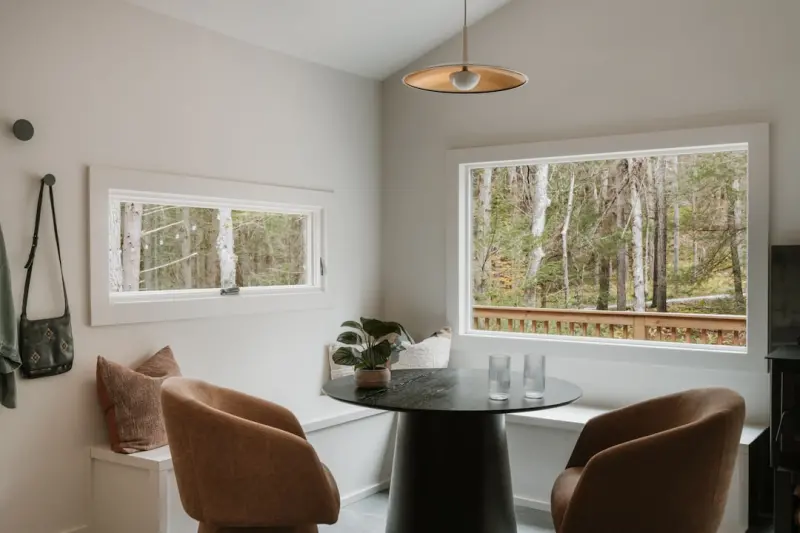
Quiet Corners: Transform Your Home Into a Stress‑Free Sanctuary
Learn how to quiet your space with smart window treatments, soft flooring, strategic furniture, and calming rituals, turning any home into a stress‑free sanct...Read More

When AI Hallucinations Slip Into SaaS: Guarding Trust and Revenue
AI hallucinations can silently erode trust in B2B SaaS platforms. This post explores why they happen, their hidden costs, and a step‑by‑step playbook—RAG,...Read More
0 Comments
Post Comment
You will need to Login or Register to comment on this post!