

When the hum of a smart speaker, the glare of LED strips, and the constant buzz of notifications invade our living spaces, it’s easy to feel like home is more a data hub than a refuge. I’ve learned—after countless evenings of scrolling, three‑hour work marathons, and a few restless nights—that the most profound transformations don’t come from the newest gadget, but from simple, intentional choices that respect our bodies, minds, and the rhythm of the day. In this post, I’ll walk you through a step‑by‑step low‑tech revamp that can turn any room into a calm, productivity‑boosting oasis, using everyday materials, mindful habits, and a pinch of science‑backed strategy.
1. Redefine the Entrance: First Impressions Set the Tone
Our homes greet us at the front door, and the energy we encounter there cascades into the rest of the house. A clutter‑free entryway does more than look tidy; it signals that you’re stepping into a space designed for ease and intention.
- Swap the shoe rack for a minimalist bench. Choose a natural wood piece that invites you to pause, slip off shoes, and take a deep breath before you cross the threshold.
- Introduce a scent cue. A small ceramic jar of dried lavender or a citrus‑scented sachet can act as an olfactory trigger for relaxation.
- Brighten the path. A warm‑glow bulb (2700 K) in a discreet wall sconce provides enough light without the harshness of overhead LEDs.
These tiny tweaks turn the doorway into a mental “reset button,” helping you leave the outside world’s frenzy at the mat.
2. Harness Natural Light to Sync with Your Body Clock
Our brains are hard‑wired to use light as the primary cue for the circadian rhythm—a 24‑hour internal clock that governs sleep, mood, and alertness. While high‑tech smart lighting systems promise to simulate sunrise and sunset, the simplest—and most effective—solution lives in the windows themselves.
Start by mapping the sun’s path across each room. Position workspaces where morning light streams in, and arrange reading nooks where soft afternoon light pools. If a room lacks windows, consider a large mirror opposite a smaller one to reflect existing light deeper into the space.
For a deeper dive into how light can be aligned with your daily rhythm, see the guide on circadian‑friendly lighting. Understanding the science behind daylight exposure empowers you to set the stage for a more energized day without a single app.
3. Create “No‑Screen Zones” That Invite Offline Presence
We all love the convenience of a tablet in the kitchen or a laptop on the couch, but constant screens erode the boundary between work and home. Designate at least one area in each room where digital devices are prohibited. This could be a reading chair, a craft table, or a simple coffee‑making station.
To make these zones inviting, stock them with tactile, low‑tech pleasures:
- Hand‑woven blankets and soft cushions for tactile comfort.
- A small bookshelf or a curated stack of favorite magazines to encourage reading.
- Natural elements—think a potted plant or a smooth river stone—to add a sensory anchor.
When you step into a no‑screen zone, you’re signaling to your nervous system that it’s time to unwind, which can improve focus when you return to tasks later.
4. Adopt a “Micro‑Ritual” for Daily Reset
Micro‑rituals are brief, repeatable actions that cue your brain to shift gears. Unlike the elaborate routines found in some productivity blogs, these are intentionally simple—think a two‑minute breathing exercise, a sip of herbal tea, or a quick stretch.
Pair a micro‑ritual with a physical anchor, such as a specific spot on a windowsill or a particular cushion. Over weeks, your brain will associate that anchor with relaxation or renewed focus.
If you’re looking for an extra boost in mental clarity, check out the article on curiosity rituals. It offers a fresh spin on building micro‑habits that keep the mind sharp without the overload of tech notifications.
5. Optimize Acoustic Comfort the Low‑Tech Way
While many home‑improvement pieces suggest high‑end acoustic panels, you can achieve a calmer soundscape using everyday items. Soft textiles, heavy curtains, and strategically placed bookshelves can dampen ambient noise.
- Curtains matter. Choose thick, floor‑length drapes for rooms that face busy streets. They absorb outside chatter and reduce echo inside.
- Rug the floor. A dense wool rug under a coffee table or desk can absorb footfall sounds, creating a quieter work environment.
- Bookcase buffering. A fully stocked bookshelf placed against a shared wall can act as a natural sound barrier.
The result is a softer acoustic backdrop that lets conversations, music, or even a solo dance feel more intimate, without the need for expensive acoustic foam.
6. Leverage the Power of Plant Life (Beyond Aesthetic)
Plants are not just Instagram‑worthy decor; they actively improve air quality, regulate humidity, and boost mood. Choose varieties that thrive in the lighting conditions you’ve already mapped:
- Low‑light champs: Snake plant, ZZ plant, and pothos require minimal sun and are virtually indestructible.
- Air‑purifying heroes: Spider plant, peace lily, and Boston fern have been studied for their ability to filter volatile organic compounds (VOCs).
Arrange them on windowsills, shelves, or hang them in woven macramé planters. The visual green splash adds a calming aesthetic while the plant itself works silently to clean your air—a win‑win for health and design.
7. Introduce Gentle, Analog Time‑keeping
Digital clocks can be a subtle source of stress, especially when they glow blue light into the night. Swap the digital alarm for a classic analog timer or a sunrise‑simulation clock that uses warm amber LEDs that dim gradually.
Beyond the bedroom, consider a simple sand timer on the kitchen counter to remind yourself to pause, breathe, and check posture while cooking. The tactile movement of sand slipping offers a quiet, visual meditation that a beeping timer simply can’t match.
8. Use Biofeedback Tools Sparingly for Stress Insight
While the overall theme is low‑tech, a well‑placed piece of biofeedback tech can provide valuable insight into how your new environment is affecting you. A discreet wrist‑band that tracks heart‑rate variability (HRV) can reveal spikes in stress that you might otherwise miss.
Use the data as a feedback loop: notice when you feel tense in a particular room, then experiment with a small change—like adding a plant or moving a rug. Over time, you’ll develop an intuition for what environmental tweaks truly calm your nervous system.
For a deeper exploration of how to use these devices, read biofeedback wearables. It outlines practical ways to turn raw data into actionable home improvements without becoming a tech‑addict.
9. Design a Night‑Time Sanctuary for Restful Sleep
The bedroom should be the epitome of calm—a far cry from the daytime multitasking hub. To set the stage for restorative sleep, follow these three low‑tech steps:
- Ban screens at least an hour before bedtime. Replace scrolling with a paper‑bound journal or a gentle bedtime story.
- Dim the lights gradually. Use a low‑wattage amber lamp or a candle to signal the brain it’s time to wind down.
- Choose breathable linens. Natural fibers such as linen or cotton promote temperature regulation, preventing the restless tossing caused by synthetic blends.
By treating the bedroom as a dedicated sanctuary, you reinforce the brain’s association between that space and deep, uninterrupted sleep.
10. Keep the Routine Flexible—Home Should Evolve with You
The beauty of a low‑tech revamp is its adaptability. As your lifestyle shifts—whether you start a home‑based business, welcome a new family member, or simply develop a hobby—your space can evolve without expensive overhauls.
Schedule a quarterly “home audit”: walk through each room, note any areas that feel cluttered or energy‑draining, and make a single small adjustment. Over time, these incremental changes compound into a home that feels consistently supportive and nurturing.
By embracing intentional, low‑tech choices—leveraging natural light, mindful rituals, and simple analog tools—you’ll discover that a home can be both a sanctuary and a productivity powerhouse. It’s not about shunning technology altogether; it’s about choosing the right tools, at the right moments, to amplify the calm and clarity that a well‑designed space offers.

In the world of freelance writing, where creativity and adaptability are paramount, Michelle Fisher stands out as a dedicated and versatile professional. With a passion for crafting compelling narratives and a keen eye for detail, Michelle has established herself as a trusted voice.
Related Posts
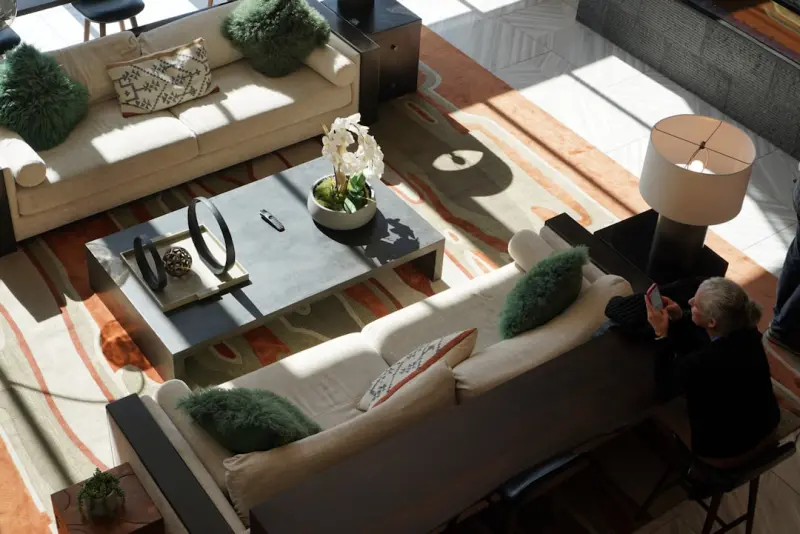
Strategic Home Zoning: Designing Purposeful Micro‑Spaces for Work, Rest, and Play
Discover a step‑by‑step framework for carving out purposeful micro‑zones in any room, using vi... Read More
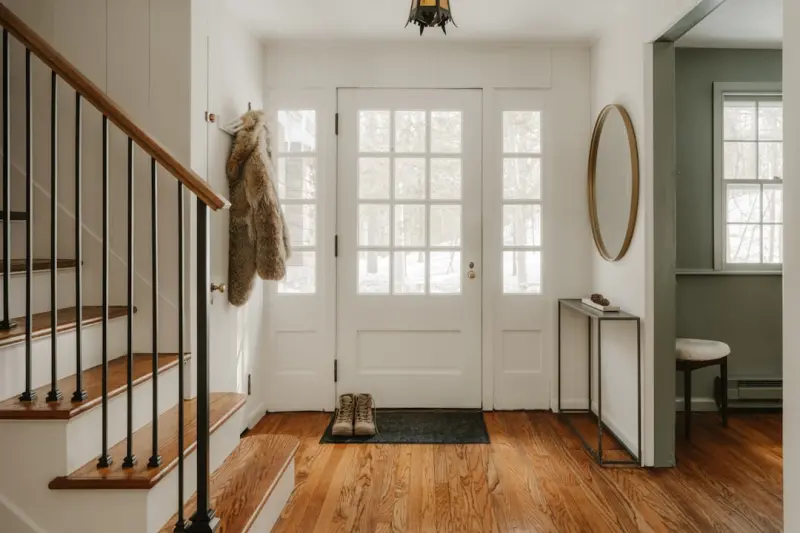
The Secret Power of a Purpose‑Built Entryway
Learn how to redesign your entryway into a purposeful zone that reduces clutter, saves energy, and s... Read More

Unlock Hidden Storage: 12 Clever Hacks for Small Spaces
Learn 12 innovative, low‑cost storage hacks that turn everyday furniture and walls into hidden com... Read More
Top Posts

The Ice Advantage: How Cold Exposure Supercharges Health and Performance
Cold exposure isn’t just a trend; it’s a science‑backed tool that can enhance immunity, sharpen cognition, and improve stress recovery. Learn a simple, 7â...Read More

The AI Cognitive Co‑Pilot: Turning Information Overload into Insight
A conversational look at how AI can serve as a personal cognitive co‑pilot, curating information, reducing decision fatigue, and empowering knowledge workers ...Read More

The Quiet Health Engine: Harnessing Daily Gratitude for Better Well‑Being
A daily gratitude habit may seem modest, but its impact on brain chemistry, hormone balance, and immune function is profound. Learn how to integrate this simple...Read More

When AI Becomes Your Strategic Co‑Pilot
A fresh look at AI as a strategic co‑pilot: learn how continuous insight, contextual recommendations, and human‑in‑the‑loop validation transform everyda...Read More
0 Comments
Post Comment
You will need to Login or Register to comment on this post!