
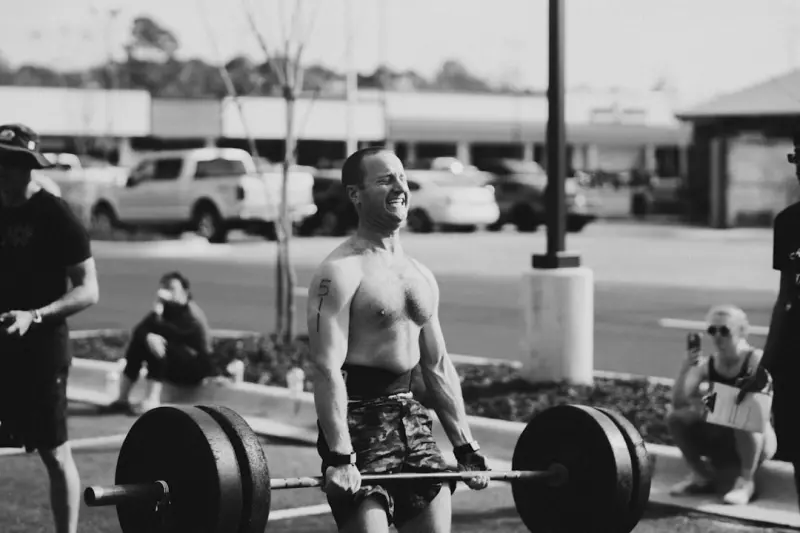
Why Tiny Bursts of Movement Are the Hidden Health Hack You’ve Been Missing
When I first started juggling freelance projects and a growing family, the idea of carving out a solid 30‑minute workout felt like chasing a unicorn – beautiful in theory but practically elusive. Instead, I began noticing the tiny moments that slipped through my day: the stretch I did while waiting for the kettle, the quick calf raises while brushing my teeth, the brief walk to the mailbox. These seemingly insignificant actions, when added up, created a subtle yet powerful ripple effect on my energy levels, mood, and even sleep quality. It was a revelation that the body doesn’t always need marathon sessions; it craves consistent, low‑intensity activation that keeps the metabolism humming and the mind alert. In this post, I’ll share how embracing micro‑movements can transform your health without demanding a gym membership or a rigid schedule.
The Science of NEAT: Turning Everyday Chores into Calorie‑Burning Allies
Non‑Exercise Activity Thermogenesis, or NEAT, is the term researchers use to describe the calories we expend during all activities that aren’t formal exercise – think fidgeting, standing, or reaching for a book on a high shelf. Studies have shown that people with higher NEAT levels can burn an extra 200‑300 calories per day, which can make a measurable difference in weight management and cardiovascular health over time. What’s fascinating is that NEAT isn’t just about burning calories; it also supports blood flow, improves insulin sensitivity, and reduces the risks associated with prolonged sitting, such as deep‑vein thrombosis. By intentionally sprinkling brief bouts of movement throughout the day, you harness a natural metabolic boost that feels effortless yet delivers lasting results. It’s like giving your body a gentle, continuous nudge toward better health.
Micro‑Movement Strategies You Can Slip Into Any Routine
One of my favorite tricks is the “one‑minute rule”: every time I catch myself reaching for my phone, I pause for a quick stretch or a set of shoulder rolls before diving into the screen. In the kitchen, I practice “stir‑while‑stand,” where I stand on one leg while stirring a pot, engaging the core and improving balance without missing a beat in the recipe. At the office, I keep a small resistance band at my desk and perform a series of band pulls during conference calls, turning passive listening into a subtle strength‑building session. For those who love a good walk, I’ve discovered “pacing power”: pacing around the living room while brainstorming ideas for a new article, which not only fuels creativity but also keeps my legs moving. These micro‑moves are intentionally low‑key, requiring no special equipment, and they seamlessly blend into the flow of daily life.
Pairing Micro‑Movements With Mindful Moments
While the physical benefits of micro‑movement are clear, I’ve found that pairing them with brief mindfulness practices amplifies the impact on mental well‑being. For instance, after a set of calf raises, I take three deep breaths, visualizing each inhale as fresh energy and each exhale as tension leaving the body. This simple habit creates a pause that resets the nervous system, especially during stressful work periods. Another favorite is to combine a quick squat with a gratitude thought – “I’m grateful for my healthy legs that can move,” I whisper to myself, fostering a positive inner dialogue. If you’re curious about other ways to blend movement and mental health, check out the insights from improv and creative play, which illustrate how playful physicality can unlock emotional resilience.
Overcoming the “No‑Time” Excuse With Habit Stacking
One of the biggest barriers to regular activity is the perception that we simply don’t have enough time. The solution lies in habit stacking – attaching a new micro‑movement to an already established routine. I started by linking a set of neck rotations to the moment I turn on the kettle, and soon it became as automatic as the coffee brewing itself. Similarly, I place a sticky note on my laptop reminding me to stand and do a quick wall push‑up every time I open a new document. By anchoring the movement to an existing cue, the brain forms a stronger neural pathway, making the new habit feel inevitable rather than optional. This method reduces decision fatigue and eliminates the need for a separate “exercise block,” freeing up mental bandwidth for other priorities.
Tracking Progress Without Becoming Obsessed
While data can be motivating, I’ve learned that obsessively counting steps or calories can undermine the joy of movement. Instead, I use a simple “movement log” – a small notebook where I jot down the type of micro‑move, the time of day, and a quick note on how I felt afterward. Over weeks, patterns emerge, showing me which activities lift my mood the most or which times of day I naturally move more. This qualitative approach respects the body’s signals and keeps the focus on feeling better rather than hitting arbitrary numbers. If you’re interested in deeper reflection, the practice of narrative journaling offers a powerful way to translate those movement notes into stories of personal growth, reinforcing the positive feedback loop between body and mind.
Micro‑Movement for Specific Goals: Energy, Focus, and Recovery
Different micro‑movements can be tailored to address particular health objectives. For a quick energy boost, a series of jumping jacks or high knees for 30 seconds spikes heart rate, floods the bloodstream with oxygen, and sharpens mental clarity. To enhance focus during long reading sessions, I practice “eye‑to‑hand” coordination by tapping my fingertips together in a rhythmic pattern, which subtly engages the brain’s motor cortex and sustains attention. For recovery after intense workouts, gentle spinal twists and ankle circles serve as active rest, promoting circulation and reducing delayed‑onset muscle soreness. By selecting the right micro‑move for the desired outcome, you turn these brief bouts into strategic tools that support overall well‑being without overwhelming your schedule.
Closing Thoughts: Small Moves, Big Transformations
My journey from feeling chronically rushed to embracing a lifestyle of micro‑movement has taught me that health isn’t a distant destination but a series of intentional, bite‑sized choices made throughout the day. When you start viewing each stretch, each step, each pause as an opportunity to nourish your body and mind, you create a cumulative effect that rivals any hour‑long workout. The beauty lies in the simplicity: no expensive equipment, no gym membership, just a willingness to move a little more, think a little deeper, and appreciate the subtle ways your body thanks you. So, the next time you’re waiting for a video to load or standing in line at the grocery store, ask yourself – what micro‑move can I add right now? Your future self will thank you.

Amanda is a passionate writer exploring a kaleidoscope of topics from lifestyle to travel and everything in between.
Related Posts
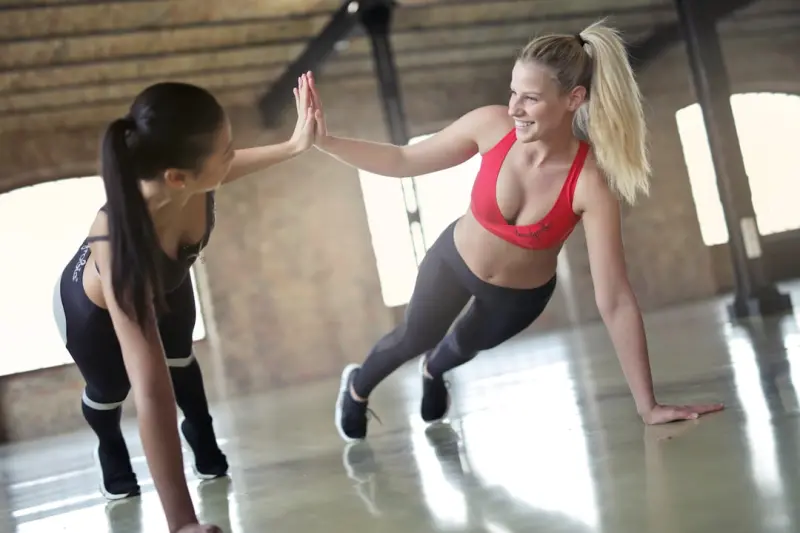
Micro‑Movement Healing: Tiny Exercise Bursts for Big Health Benefits
Learn how integrating tiny, frequent movements into daily routines can improve circulation, mental c... Read More

Unlocking the Hidden Power of Breath for Busy Professionals
This guide reveals practical breathwork methods that busy professionals can embed into their workday... Read More

Harnessing Natural Light to Reset Your Body’s Clock and Boost Health
Learn practical ways to use sunrise, midday sun, and evening darkness to synchronize your circadian ... Read More
Top Posts
The Pop‑Up Office Traveler: Blending Work, Culture, and Wanderlust
Discover the rise of pop‑up office travel, a fresh approach that merges remote work with deep cultural immersion, offering tips, tools, and insights for a ful...Read More

Micro‑Getaways: Turning Everyday Commutes Into Pocket Adventures
Explore the power of micro‑travel: turn routine commutes, train rides, and local strolls into memorable pocket adventures that refresh the mind and support su...Read More
Turning Setbacks into Mental Fuel: A Growth‑Mindset Playbook
Ryan Stuart shares a practical playbook for turning everyday setbacks into mental fuel, using growth‑mindset techniques to reduce anxiety and foster lasting r...Read More

Why Sabbaticals Are the Secret Weapon for Modern Companies
Sabbaticals, once a rare perk, are now a strategic asset for companies seeking innovation, higher retention, and stronger employer branding. Learn how to design...Read More
0 Comments
Post Comment
You will need to Login or Register to comment on this post!