
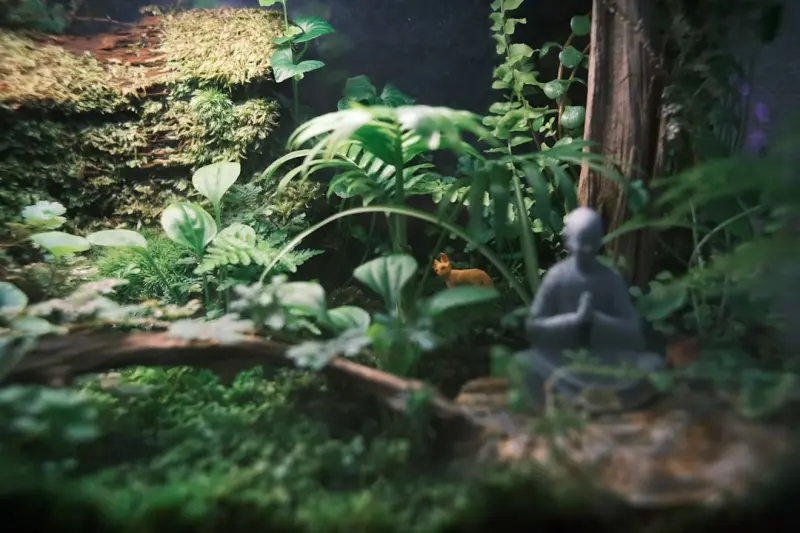
When the city’s sirens fade into the evening and the balcony lights flicker on, I find myself craving a quiet corner where the buzz of daily life can finally dissolve. My solution? A miniature outdoor meditation garden that fits on a balcony, a small patio, or even a windowsill. It’s not about sprawling lawns or elaborate water features; it’s about curating a pocket‑sized sanctuary that invites the senses to slow down, breathe, and reset. In this post I’ll walk you through the step‑by‑step process that turned my cramped balcony into a calming oasis, share the materials that make maintenance a breeze, and sprinkle in a few design tricks that keep the space feeling fresh season after season.
Why a Mini Meditation Garden?
Urban living often feels like an endless loop of meetings, commutes, and screen time. Even the most thoughtfully designed interior can’t fully counteract the sensory overload of a bustling street below. A small outdoor meditation garden offers three key benefits that larger‑scale gardening projects simply can’t match:
- Portability: If you move apartments, you can take most of the elements with you.
- Low Maintenance: With the right plant choices, watering becomes a once‑a‑week ritual.
- Immediate Impact: A single glance at a thoughtfully arranged space can trigger a measurable drop in cortisol, the stress hormone.
My own journey began after a particularly hectic week of deadlines. I wanted a place where I could step outside, sit for a few minutes, and feel the tension melt away—without having to drive out of the city to a park. The result is a garden that’s as functional as it is beautiful, and it fits within the limited square footage of a typical balcony.
Choosing the Right Space
The first decision is simple: locate the spot that receives the most natural light without being exposed to harsh afternoon heat. In my case, the east‑facing balcony offers a gentle sunrise glow and a cool breeze in the evenings—perfect for both plants and meditation.
Once you’ve identified the zone, measure the dimensions. Even a 4‑by‑6‑foot area can accommodate a layered garden if you think vertically. Consider using a room‑by‑room energy boosters mindset: treat the balcony like a room that can be heated, cooled, and insulated by strategic plant placement.
Foundation: The Base Layers
Start with a sturdy, weather‑resistant base. I opted for a lightweight wooden deck box that doubles as storage for gardening tools and meditation accessories (like a small cushion and essential oil diffuser). Line the box with a high‑quality liner to prevent water damage.
Next, add a layer of gravel or river stones. This not only aids drainage but also creates a subtle, soothing sound when you walk across it—an auditory cue that signals you’re entering a different mental space.
Selecting Plants for Calm and Resilience
When it comes to plants, prioritize those that are:
- Low‑maintenance: Drought‑tolerant species reduce watering frequency.
- Scented: Aromatic foliage enhances mindfulness practices.
- Visually soothing: Soft, muted colors prevent overstimulation.
Here are my top picks:
- Lavender (Lavandula angustifolia) – A classic for calming the mind; it thrives in full sun and well‑drained soil.
- Japanese Forest Grass (Hakonechloa macra) – Its graceful, arching blades add movement without being aggressive.
- Miniature Boxwood (Buxus ‘Suffruticosa’) – Provides a structured, evergreen backdrop for year‑round interest.
- Herbaceous rosemary (Rosmarinus officinalis ‘Prostratus’) – A low‑grower with a fresh, invigorating scent that also doubles as a culinary herb.
- Bird’s Nest Fern (Asplenium nidus) – Thrives in indirect light and adds lush, tropical texture.
Arrange the taller boxwood at the back to create a natural “wall,” then layer the softer grasses and lavender in front. The rosemary can be placed near the edge where it can catch the sun, and the fern can sit in a shaded corner.
Adding Sensory Elements
Beyond plants, incorporate three sensory dimensions to deepen the meditative experience:
- Sound: Small wind chimes made from recycled metal can produce gentle tones with the breeze.
- Touch: A weather‑proof floor mat made from natural fibers invites barefoot grounding.
- Smell: In addition to lavender and rosemary, consider a tiny pot of scented geraniums.
These elements work together to anchor your awareness in the present moment, turning a short sit‑down into a full‑body mindfulness practice.
Furniture and Accessories: Keep It Light
Because space is limited, opt for foldable or stackable pieces:
- Fold‑up meditation cushion: Choose a waterproof cover that can be stored in the deck box when not in use.
- Compact bamboo stool: Useful for a seated posture or a brief rest after a stretch.
- Mini LED lantern: Provides soft illumination for early‑morning or evening sessions without harsh glare.
If you love a bit of greenery at night, a solar‑powered string of tiny fairy lights can add a magical glow without adding to your electricity bill.
Seasonal Refresh Strategies
One of the joys of a small garden is how quickly you can adapt it to the seasons. Here’s a quick cheat‑sheet I keep on my fridge:
| Season | Plant Adjustments | Decor Tweaks |
|---|---|---|
| Spring | Swap out dormant boxwood with fresh cuttings; add a few potted tulips. | Introduce pastel‑colored cushions. |
| Summer | Increase watering; prune lavender to encourage bloom. | Swap lanterns for a small, portable misting fan. |
| Fall | Add ornamental grasses with golden hues; plant a dwarf maple for color. | Replace bright lights with amber‑tone candles. |
| Winter | Cover pots with burlap to protect roots; bring indoor herbs inside. | Introduce a heated stone pad for warmth. |
This approach mirrors the philosophy behind edible landscape design—the garden evolves with you, offering both visual and practical benefits throughout the year.
Mindful Maintenance: Making Care a Ritual
Maintenance shouldn’t feel like a chore; it can become part of your meditation routine. I schedule a 10‑minute “garden check‑in” each morning:
- Water the plants using a gentle, hand‑held sprayer—watch the droplets as a visual focus.
- Prune any dead leaves, treating each cut as a symbolic release of stress.
- Take a slow, deep breath while arranging the wind chimes or adjusting the lanterns.
This simple practice transforms routine upkeep into a calming, intentional act.
Integrating Technology (Without Overcomplicating)
While the goal is to create a low‑tech oasis, a few smart tools can enhance convenience:
- Smart moisture sensor: Sends a discreet notification to your phone when the soil needs water.
- Timer‑controlled LED strip: Sets a gentle sunrise simulation for early meditation.
The trick is to let technology serve the sanctuary, not dominate it.
Sharing the Space: From Personal to Community
If you live in a building with shared balconies or a rooftop garden, consider opening your meditation niche to neighbors for a weekly “quiet hour.” This not only builds community but also reinforces your own commitment to the practice.
In one recent gathering, a neighbor brought a small hand‑crafted singing bowl. The resonant tones filled the tiny balcony, turning the space into a collective sound bath. It was a reminder that even the most intimate gardens can become vessels for shared serenity.
Final Thoughts: Your Pocket‑Sized Peace
Creating a mini outdoor meditation garden isn’t about achieving perfection; it’s about establishing a personal refuge that you can step into whenever life feels overwhelming. By selecting the right plants, layering sensory cues, and weaving maintenance into a mindful routine, you’ll discover that even the smallest square footage can hold expansive calm.
If you’re ready to begin, start small, stay patient, and let the garden grow alongside you. The city may be loud, but your balcony can become the quietest place in it.

Karen Edwards is a seasoned freelance writer with a passion for all things furry, feathered, and scaled. With a dedicated focus on pets, she brings a wealth of knowledge and a keen eye for detail to her writing.
Related Posts

The Secret Garden Desk: Transforming Home Life and Productivity
Explore the magic of garden desks—where work meets nature—to boost focus, enhance home value, an... Read More

Cultivating Success: How My Green Workspace Transforms Home & Garden Living
Jimmy Damon reveals how turning a garden desk into a green workspace reshapes productivity and home ... Read More

From Seed to Shelf: Crafting a Year‑Round Garden Kitchen
A garden kitchen blends fresh harvests with daily cooking, offering a year‑round source of flavor,... Read More
Top Posts

Designing a Remote‑Work Ready Home That Fuels Focus and Well‑Being
Discover how to remodel your living space into a remote‑work ready environment with zones for focus, creativity, and recharge, plus lighting, sound, and habit...Read More

When Data Meets Skin: Building a Feedback‑Driven Personal Care Routine
A step‑by‑step guide shows how to turn sensor data into a dynamic, customized skincare routine, integrating smart wearables, transparent ingredients, and mi...Read More

AI as a Strategic Co‑Creator: Rethinking Innovation Beyond Automation
Discover a fresh perspective on AI: not just a tool, but a strategic partner that drives ethical, rapid, and deep innovation in B2B SaaS. Learn practical steps ...Read More

Morning Light: Unlocking Your Body’s Natural Rhythm for Better Health
Learn how aligning your daily routine with natural daylight can enhance sleep quality, lift mood, regulate metabolism, and strengthen immunity, with actionable ...Read More
0 Comments
Post Comment
You will need to Login or Register to comment on this post!